The U.S. FDA wants feedback on its latest idea to reduce the number of unused prescription opioids shelved in American homes: requiring prepaid mail-back envelopes to be dispensed with the painkillers.
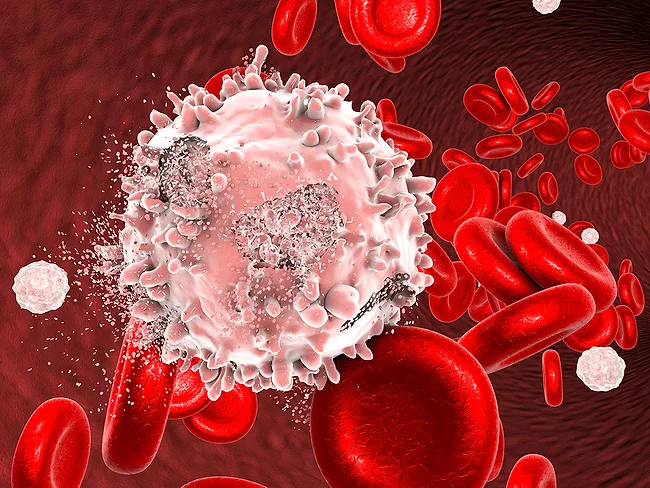
Sponsors developing PI3K inhibitors to treat hematologic malignancies in the U.S. may have to up their game if they want to get FDA approval. The Oncologic Drugs Advisory Committee voted 16-0, with one abstention, that future approvals of the drugs should be supported by randomized data. Given the FDA’s briefing document ahead of the April 21 meeting and its presentations to the committee, the agency is likely to follow that recommendation.
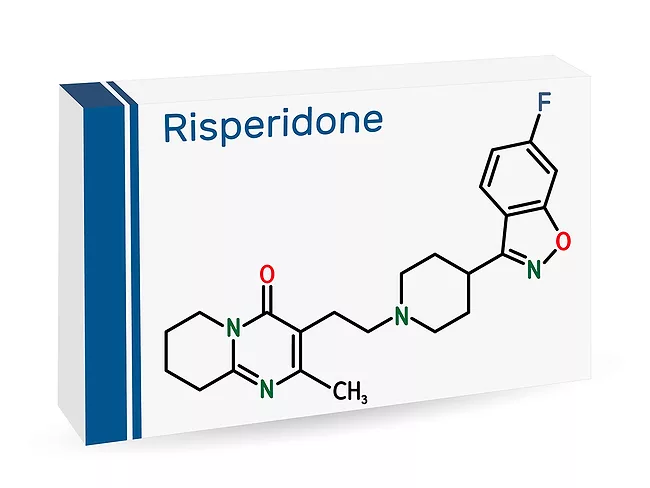
Shares in Medincell SA dropped 29.1% Apr. 20 on news that the U.S. FDA slapped a complete response letter (CRL) on an NDA for an extended release, long-acting formulation of risperidone, which it is co-developing with Teva Pharmaceuticals Industries Ltd. as a maintenance treatment for schizophrenia.
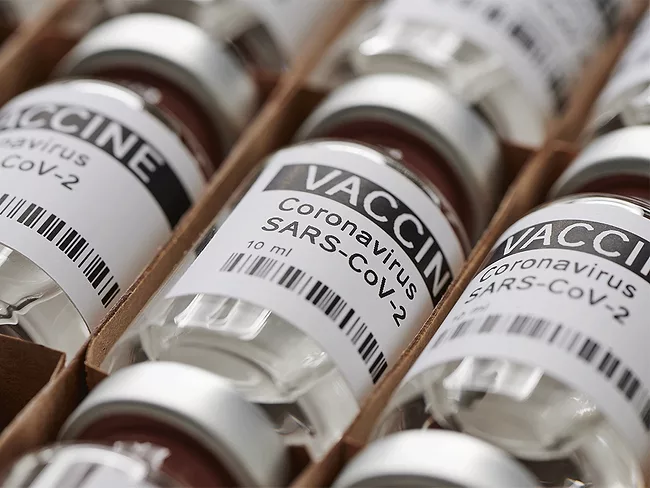
The U.S. COVID-19 vaccine program is at risk of “booster fatigue,” which will undermine public confidence in the vaccines, several members of the CDC’s Advisory Committee on Immunization Practices (ACIP) said April 20 as they met to discuss the future of the vaccines. Rather than relying on boosters, “we need to use our expertise to advocate for something that’s better,” something that resolves the ill effects of COVID-19, whether it’s mild or severe, said Lynn Bahta, an immunization program clinical consultant for the Minnesota Department of Health.
With renewed focus on the U.S. Cancer Moonshot, the price of oncology drugs is more than a satellite issue, especially as new drugs launch with ever-increasing prices and other cancer drugs continue to see price hikes.
Deciding not to roll the dice this time, Johnson & Johnson (J&J) and its U.S.-based Janssen Pharmaceutical Cos. removed themselves April 18 from an ongoing opioid trial in West Virginia by agreeing to a $99 million settlement with the state.
Although broader use of biosimilars in the U.S. would reduce Medicare Part D spending and save beneficiaries nearly $2 million in out-of-pocket costs, plan formularies continue to discourage the use of the more affordable follow-ons, according to a recent report from the Department of Health and Human Services’ Office of Inspector General.
It’s been one thing after another for rusfertide from Protagonist Therapeutics Inc. for the past year. Now the U.S. FDA has told the company it wants to rescind the breakthrough designation, a relatively rare occurrence, based on observed malignancies in a follow-up to September’s clinical hold.
Pharma CEOs have pushed back strongly against intellectual property (IP) waivers for COVID-19 vaccines and therapies, saying that pricing is not the reason why middle- and low-income countries have not received pharmaceutical countermeasures against the pandemic. Senior execs from Pfizer Inc., Eli Lilly and Co., and Roche Holding AG, also expressed concerns about the latest funding package from the U.S. government, which at $10 billion is less than half that originally requested by the White House.
As part of a series of guidances addressing clinical trial diversity, the U.S. FDA issued a draft guidance April 13 focused on improving enrollment of participants from underrepresented racial and ethnic populations.
 RSS
RSS