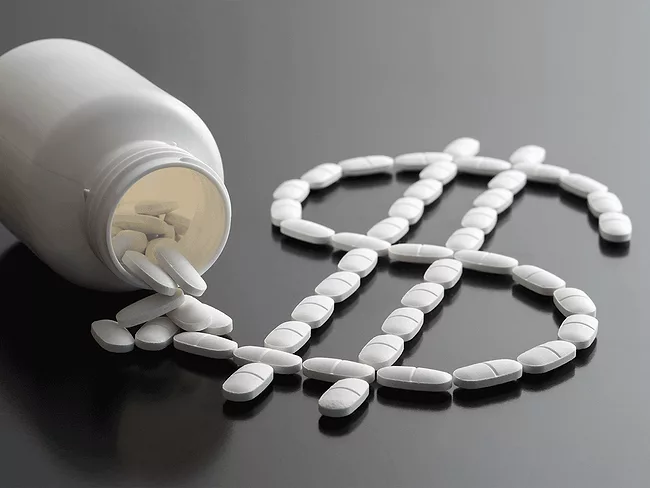
The FDA’s proposed rule would, for the first time, implement Section 804 of the Federal Food, Drug and Cosmetics Act (FDCA), which allows certain small-molecule drugs approved in Canada to enter the U.S. market – if the Health and Human Services secretary certifies that the drugs would pose no additional risk to public health and safety and that they would result in a significant reduction in cost.
The U.S. House of Representatives passed two spending packages that boosted funds for both the FDA and the NIH, but generic drug makers and device makers saw other benefits. The two bills not only repealed the medical device tax, but also would allow makers of biosimilars and generic drugs to sue brand names for blocking access to the index article, a move intended to tamp down on the cost of small-molecule pharmaceuticals and biotech therapies.
Little more than a month after the FDA's Endocrinologic and Metabolic Drugs Advisory Committee unanimously supported approval of Amarin Corp. plc's fish oil-based Vascepa (icosapent ethyl) for reducing the risk of cardiovascular (CV) events in adults with elevated triglyceride levels, the agency has greenlighted a label expansion for the already-approved medicine, allowing for its adjunctive use in that indication.
In August the FDA was skeptical about Sarepta Therapeutics Inc.’s injectable Vyondys 53 (golodirsen), but that changed swiftly Friday with the agency’s accelerated approval for the Duchenne muscular dystrophy (DMD) follow-on therapy, the first treatment specifically for this subtype.
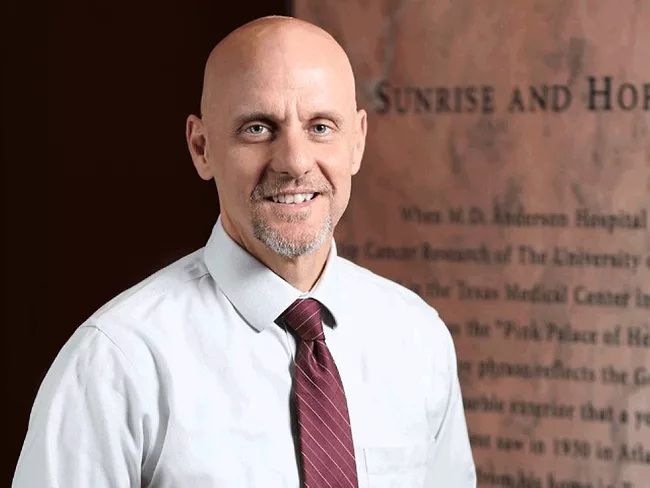
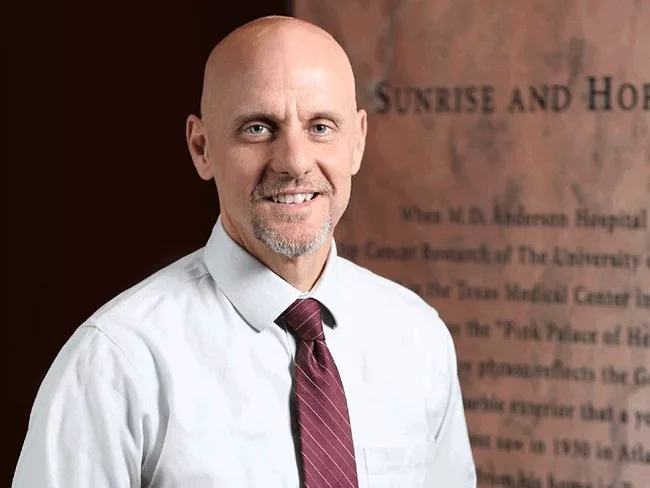
The U.S. Senate voted 72-18 to confirm Stephen Hahn as the commissioner of the FDA, providing the agency with another commissioner with a deep background in oncology. Hahn succeeds Scott Gottlieb, who stepped down from the post in April and returned to the American Enterprise Institute.
It may be winter in the U.S., but the 2020 campaign season is heating up, especially in swing states that could determine political and ideological control of Congress. Those states are being stormed with ads picking up on public outrage over prescription drug prices.
An FDA review of Enzyvant Inc.'s RVT-802, a tissue-based therapy for children born without a thymus, has drawn a complete response letter (CRL) from the agency over concerns about chemistry, manufacturing and controls, scuttling hopes it would become the first FDA-designated regenerative medicine advanced therapy (RMAT) to win approval from the agency.
With today’s 18-5 vote in the Senate Health, Education, Labor and Pensions Committee (HELP) to send Stephen Hahn’s nomination to the full U.S. Senate, the oncologist who currently serves as chief medical officer at the MD Anderson Cancer Center is just a step away from being confirmed as the next FDA commissioner.
Commissioner of the FDA for five years starting in 1984, Frank Young relished his position “at the vortex of controversy” as he sought to deal with the AIDS crisis and public furor over drug tampering, said his son, Jonathan Young, co-founder and chief operating officer of South San Francisco-based Akero Therapeutics Inc. Post-FDA, Frank Young would help grapple with the opioid epidemic as well – a scourge that began with the passage of the Compassionate Pain Relief Act (CPRA), passed the year he was appointed. Young, 88, died Nov. 24 of B-cell lymphoma.
Less than two weeks after giving the go-ahead to Novartis AG for Adakveo (crizanlizumab) to reduce the frequency of vaso-occlusive crises (VOCs) in adult and pediatric patients ages 16 and older with sickle cell disease (SCD), the FDA cleared – well ahead of its Feb. 26, 2020, PDUFA date – Oxbryta (voxelotor), from Global Blood Therapeutics Inc. (GBT), for SCD in adults and pediatric patients ages 12 and up.

 RSS
RSS