While the Biden administration’s America Rescue Plan began its journey through Congress Feb. 3 as the next U.S. effort to address the COVID-19 pandemic, lawmakers came together to identify steps to improve vaccine distribution and curb ongoing supply shortages.
The numbers are staggering when it comes to the potential drug risks pregnant and breastfeeding women, as well as their babies, are exposed to and the treatments they may be denied because of the lack of data.
The Medicare Part D rebate rule finalized by the Trump administration last November could be in limbo for a while. As it did with other so-called midnight rules issued in the waning days of the Trump presidency, the U.S. Department of Health and Human Services, under the Biden administration, is postponing the implementation of the rule, which was intended to simplify the U.S. drug pricing system by eliminating the rebates drug makers pay to pharmacy benefit managers for formulary placement or requiring plans to pass the discounts directly to patients.
For at least the past decade – under both the Obama and Trump administrations, and perhaps even in previous administrations – the U.S. Department of Health and Human Services has been using the “Bank of BARDA” to routinely cover millions of dollars of unrelated spending at the Office of Assistant Secretary for Preparedness and Response, the U.S. Office of Special Counsel said in letters yesterday to President Joe Biden and Congress.
The U.S. biosimilar market is coming of age under the BsUFA II agreement, but there are a few steps the FDA could take to help it develop more predictably. For starters, the agency should conduct pre-approval inspections earlier in the 12-month biosimilar review cycle to give sponsors time to address unexpected issues, industry representatives told the FDA Jan. 27 in response to an independent interim assessment of the enhanced transparency and communication processes included in the current user fee agreement.
In signing an executive order (EO) on strengthening American manufacturing Jan. 25, President Joe Biden made it clear that the order is aimed at more than infrastructure. While Biden’s Build Back Better Recovery Plan calls for investing hundreds of billions of dollars in buying American products and materials to modernize the nation’s infrastructure and increase its competitiveness, “it also means replenishing our stockpiles to enhance our national security,” the president said.
A consequence of one of President Joe Biden’s first executive orders (EOs) is that some low-income patients may have to wait at least two more months to get the out-of-pocket relief they were promised for insulin and injectable epinephrine.
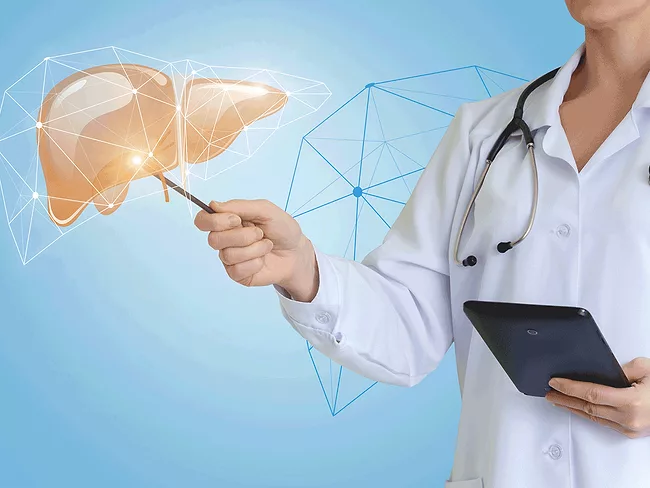
In what is claimed as the first co-authored research between regulatory scientists at the U.S. FDA and a commercial manufacturer of organ-on-a-chip devices, CN Bio's Physiomimix system is shown to perform better than the current standard in vitro liver toxicity tests.
When it comes to leveling the playing field for foreign-based biopharma and medical device companies, China has made a lot of promises, but delivering on those promises is what matters. Throughout its annual assessment for Congress of China’s commitment to World Trade Organization principles, the U.S. Trade Representative (USTR) noted the many promises China has made over the years that have yet to be kept.
COVID-19 undoubtedly will be the top U.S. health care priority for the 117th Congress and the incoming Biden administration, but that doesn’t mean prescription drug prices are no longer an issue. A raft of new-year price increases, many for already costly drugs, is ensuring drug pricing remains high on the congressional agenda.
 RSS
RSS