The U.S. FDA’s approval of the Abbott Laboratories Triclip was predicated on a data set comprised of 350 patients, but an additional bolus of data seems to reinforce the rationale for the FDA approval, including improvements in quality of life.
A major increase in the popularity of weight loss drugs, particularly GLP-1s, has created a rivalry with traditional device orientated approaches, but a new technology aims to navigate the space between them.
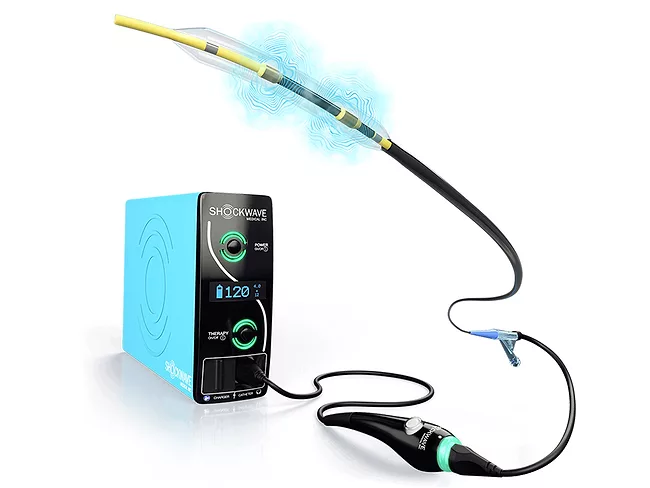
Shockwave Medical, a unit of New Brunswick, N.J.-based Johnson & Johnson Medtech, completed enrollment in the first prospective all-female study of percutaneous coronary intervention in complex disease. The real-world, all-comers trial will evaluate the benefits of coronary intravascular lithotripsy in female patients with calcified lesions.
An old target that found new life at Monte Rosa Therapeutics Inc. has become the subject of a sizeable deal between the company and Novartis AG, as the pair set about developing molecular glue degraders (MGDs). Shares of Monte Rosa (NASDAQ:GLUE) closed Oct. 28 at $9.48, up $4.59, or 93.9%, on word of the Boston-based firm’s deal with Novartis to advance VAV1 MGDs, including MRT-6160, a prospect undergoing a phase I single ascending dose/multiple ascending dose study in healthy volunteers for immune-mediated conditions.
Although more and more gene therapies are getting the FDA stamp of approval, concerns persist about their potential long-term risks. U.S. lawmakers have proposed several pieces of legislation over the past few years to address some of the uncertainties. Now the Congressional Research Service (CRS) is suggesting other requirements Congress may want to consider to improve the regulatory landscape for gene therapies, especially those intended to treat blood disorders.
Only three years after it was co-founded by Johnson & Johnson, Aliada Therapeutics Inc. is being acquired by Abbvie Inc. in a deal valued at $1.4 billion that gives the big pharma firm another shot at the Alzheimer’s disease space. The all-cash deal, expected to close in the fourth quarter of 2024, will give Abbvie access to Aliada’s blood-brain barrier-crossing Modular Delivery, or MODEL, as well as rights to ALIA-1758, an anti-pyroglutamate amyloid beta antibody designed using MODEL, which is in phase I testing for Alzheimer’s disease.
Transcatheter aortic valve replacement (TAVR) devices continue to make a splash in the world of medical technology, with the Sapien 3 by Edwards Lifesciences Corp. leading the way. Results of the EARLY TAVR study strongly suggest a need for implant in asymptomatic patients with severe aortic stenosis, a development that should help sustain and possibly increase sales of these devices for the next few years.
The third PCT family of patenting to emerge from IR Medtek LLC, and its first as the sole named assignee, sees its CEO, Douglas Cohen, continue to build protection for the company’s platform which uses a light detection technology and machine learning to improve the accuracy of cancer diagnosis.
The U.S. FDA cleared Paragonix Technologies Inc.’s Kidneyvault portable renal perfusion system, which combines digital monitoring capabilities and hypothermic perfusion technology to preserve donor kidneys during transportation.
With the U.S. FDA’s approval of Orlynvah (sulopenem etzadroxil and probenecid) for uncomplicated urinary tract infections, Iterum Therapeutics plc can move on from regulatory delays and prepare to launch only the second FDA-approved treatment for the indication in the past 20 years.
 RSS
RSS