Amending his previous two-year-renewal of the standard charter for the U.S. CDC’s Advisory Committee on Immunization Practices (ACIP), Health and Human Services Secretary Robert Kennedy made monitoring adverse vaccine events a primary function of the committee and expanded its liaison membership to include organizations that have challenged vaccine safety.>
Teleflex Inc. reported that Stephen Klasko will step down as chair of the board, and said it intends to establish a new Growth and Operating Committee as well as repurchase $1 billion of its shares. The moves come amid pressure from activist investor Irenic Capital Management, which owns a 2% stake and recently urged the company to take a more constructive and responsible approach to evaluating strategic alternatives, after Teleflex declined to engage with potential acquirors despite interest from multiple credible parties.
The U.S. FDA has accepted for review Telix Pharmaceuticals Ltd’s resubmitted NDA for TLX101-Px (Pixclara, 18F-floretyrosine, 18F-FET), its radiolabeled glioma imaging product for characterizing progressive or recurrent glioma in adult and pediatric patients. The FDA assigned a Sept. 11, 2026, PDUFA date.
Stryker Corp. revealed that the cyberattack which occurred last month had a material impact on its operations and will impact its financial results for the first quarter of 2026. However, the company said in an SEC filing that it is now fully operational and does not expect the incident to have a material impact on its 2026 full-year guidance.
More than four decades on from the approval of the first biologic drug, the industry has reached a tipping point, and biotech drugs now outnumber small molecules in the global R&D pipeline. At the start of the biotech industry, progress was slow. Between 1983 and 1995, the U.S. FDA approved an average of two biologics each year. Now, biologics have taken the lead by the smallest of margins, accounting for 50.1% of drugs in development at the start of 2026, according to the Pharma Annual Review 2026, published by Pharmaprojects, a firm that tracks global pharma R&D.
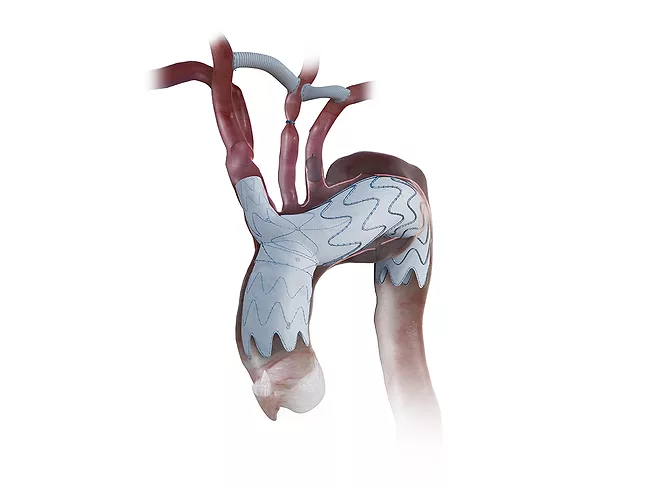
Endospan Ltd. Secured U.S. premarket approval for its Nexus aortic arch stent graft, bringing the company closer to being acquired by Artivion Inc. Under the terms of an existing agreement, Artivion has an option to acquire Endospan at any time within 90 days of the FDA approval.
The U.S. FDA issued a warning letter to Medline Inc. having identified several issues with its Namic brand angiographic control syringes and manifolds used for the intra-arterial or intravenous administration of radiographic contrast media. The agency warned the company that failure to promptly address the violations identified in the letter may result in regulatory action being initiated, including seizure, injunction and civil money penalties.
More than four decades on from the approval of the first biologic drug, the industry has reached a tipping point, and biotech drugs now outnumber small molecules in the global R&D pipeline.
With three rare pediatric disease priority review vouchers (RPD PRVs) awarded just since the end of March, the nearly year-and-a-half lapse in the program’s reauthorization seems to have had little short-term impact. The three new vouchers bring the total RPD PRVs granted so far this year to seven – one more than the agency issued all last year and down two from the nine given in 2024.
Armed with a fully subscribed $80 million series D round, Life Biosciences Inc. is making progress with its lead candidate, ER-100, which is in phase I trials testing its theory on reversing the biological effects of aging via partial epigenetic reprogramming.
 RSS
RSS