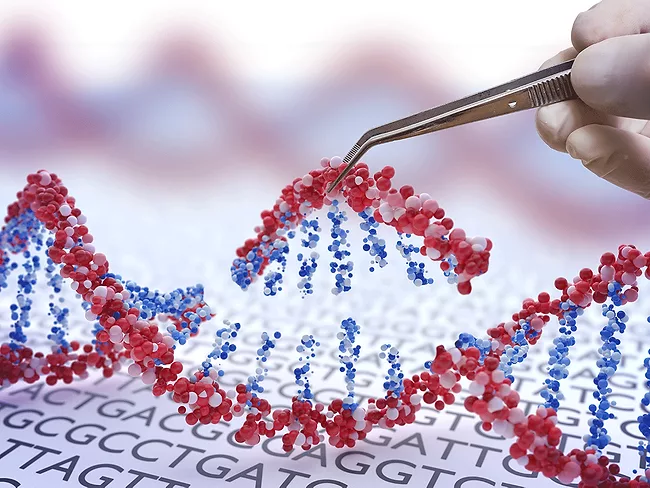
The U.S. FDA’s latest draft guidance on gene therapies focuses on nonclinical studies using next-generation sequencing-based methods and bioinformatics to evaluate safety risks associated with off-target editing and loss of genome integrity in human gene-edited products.
Regeneron Pharmaceuticals Inc. is entering the radiopharmaceutical space via a collaboration with Telix Pharmaceuticals Ltd. to jointly develop and commercialize next-generation radiopharmaceutical therapies.
More than four decades on from the approval of the first biologic drug, the industry has reached a tipping point, and biotech drugs now outnumber small molecules in the global R&D pipeline.
If a recent warning letter is anything to go by, the U.S. FDA could be using the 2013 Drug Supply Chain Security Act as another enforcement tool to shut down unauthorized suppliers by clamping down on the dispensers that purchase their unapproved drug products.
The U.S. FDA sent out a friendly reminder to more than 2,200 sponsors and researchers, associated with more than 3,000 clinical trials, who may be delinquent in disclosing the results of those studies on clinicaltrials.gov.
Avanos Medical Inc. has agreed to be acquired by affiliates of American Industrial Partners (AIP) in an all-cash deal valuing the company at approximately $1.272 billion. Under the terms of the definitive agreement, Avanos stockholders will receive $25 per share in cash for each share of common stock they hold.
Abbvie Inc. is buying exclusive rights to develop, manufacture and commercialize two Nav1.8 inhibitors for pain – HSK-55718 and HSK-51155 – from Haisco Pharmaceutical Group Co. Ltd. for $30 million up front and up to $715 million in milestone payments, plus royalties.
Tr1x Inc. was founded with a simple but ambitious goal: to change how autoimmune and inflammatory diseases are treated, moving away from chronic treatment and toward durable cures. “We are trying to flip the script on regulatory T cells (Tregs),” Tr1x CEO David de Vries told BioWorld. “The goal is to reset the immune system rather than continuously suppress it, and we believe we have a unique technology to do that.”
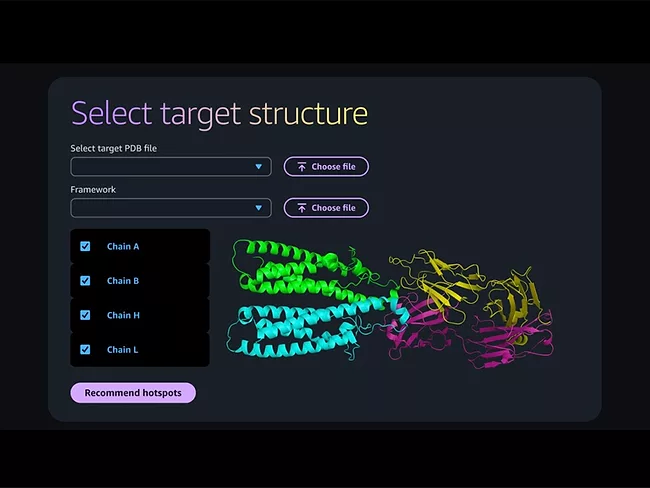
Amazon is extending the reach of its “everything store” into drug R&D with the launch of an artificial intelligence-powered Bio Discovery business. The company has compiled a catalogue of 40-plus foundation models that have been trained on extensive biology datasets and are able to generate and evaluate drug molecules in silico. For now, this covers antibodies only, but it is intended to move into other modalities.
Becoming the first and only fully FDA-approved treatment for focal segmental glomerulosclerosis (FSGS), Travere Therapeutics Inc.’s Filspari (sparsentan) has gained access to a second lucrative market with a regulatory package that validates proteinuria as a surrogate endpoint.
 RSS
RSS