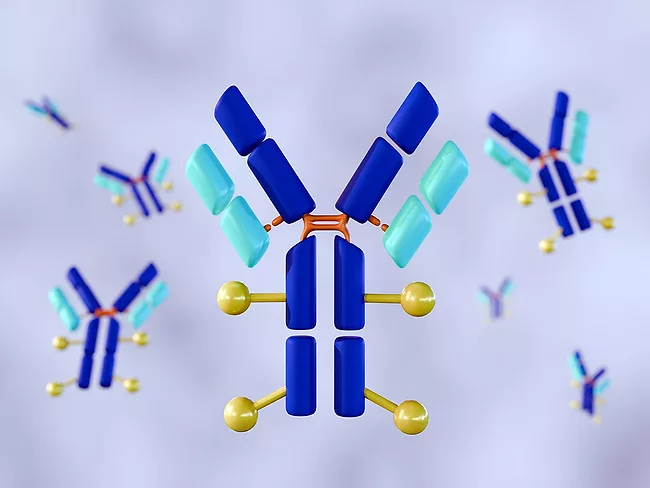
German company Tubulis GmbH, which emerged with a $12.3 million series A round and a next-generation antibody-drug conjugate (ADC) platform about six years ago, has commanded up to $5 billion in a buyout offer from Gilead Sciences Inc.
After nearly a year of threats and promises of a global biopharma tariff of 25% to 500%, U.S. President Donald Trump finally delivered it. In the name of national security, he imposed a 100% sector tariff on prescription drugs and their associated ingredients beginning in about four months for large manufacturers and six months for smaller companies.
Deep molecular advances are enabling precision medicine for the field of hematology, Wyndham Wilson said during a plenary session at the 2026 Korean Society of Hematology International Conference March 26.
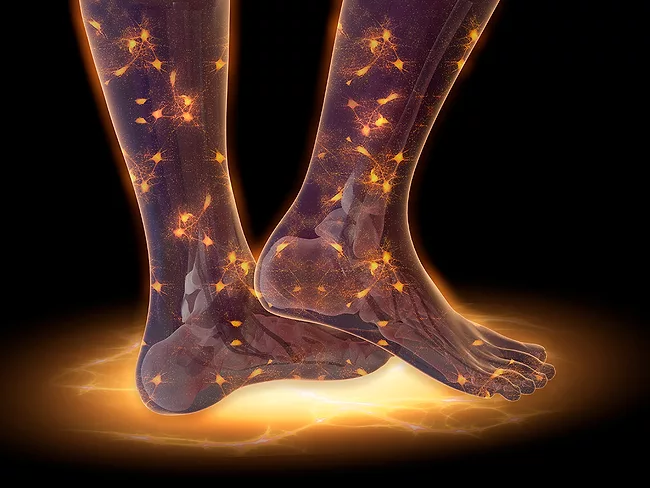
Newco Sononeu Inc. has launched to translate more than a decade of basic research in controlling cells with ultrasound into novel, non-invasive therapies for conditions including peripheral and diabetic neuropathy.
Do state laws requiring drug companies to give steep 340B drug discounts to an unlimited number of contract pharmacies, with no claims data required, interfere with a longstanding contract between the U.S. Congress and biopharma? Or do such laws merely flex states’ authority over pharmacy practices such as delivery?
After nearly a year of threats and promises of a global biopharma tariff of 25% to 500%, U.S. President Donald Trump finally delivered it. In the name of national security, he imposed a 100% sector tariff on prescription drugs and their associated ingredients beginning in about four months for large manufacturers and six months for smaller companies. However, depending on the drug, where it’s made and whether a manufacturer has reached onshoring and pricing agreements with the Department of Health and Human Services, the actual tariff could be as low as 0%.
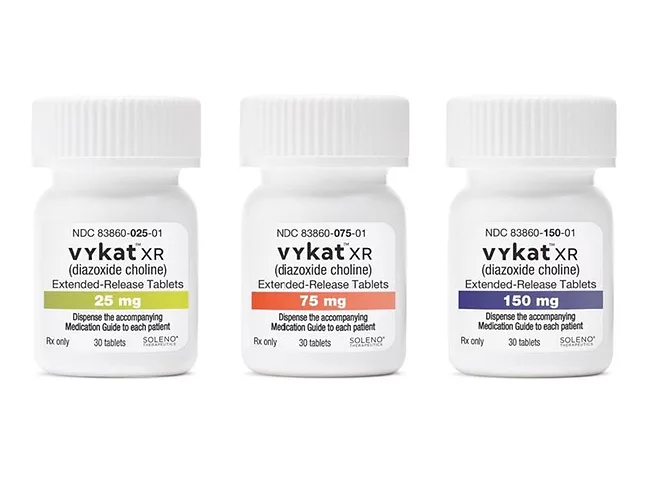
A proposal to buy out Soleno Therapeutics Inc. didn’t wait for European approval of Vykat XR (diazoxide choline) to treat hyperphagia in Prader-Willi syndrome, as Neurocrine Biosciences Inc. is putting on the table $53 per share in cash, which equates to an equity value of $2.9 billion.
Chiesi Group’s idebenone faced a regulatory setback last month after the U.S. FDA issued a complete response letter (CRL) to the company’s NDA for Leber hereditary optic neuropathy (LHON), a rare inherited disorder that causes sudden vision loss.But a chance missed for Chiesi may be an opportunity for gene therapies, including Gensight Biologics SA’s lenadogene nolparvovec (Lumevoq; GS-010).
Just over a month after emerging from stealth and disclosing a $150 million series A, Korsana Biosciences Inc. is making the leap to the public market via a merger with Cyclerion Therapeutics Inc. The agreement, which is backed by a $370 million private placement from Korsana’s investors, solidly positions the newly merged company as it heads toward the clinic with KRSA-028, a next-generation shuttled antibody targeting amyloid beta for the treatment of Alzheimer’s disease, and builds out a pipeline of neurodegenerative disease candidates.
On top of prison sentences, loss of assets and a $2.6 million restitution order issued several years ago, Li Chen and Yu Zhou had their naturalized U.S. citizenship revoked March 30 as a consequence of stealing exosome-related trade secrets from Nationwide Children's Hospital's Research Institute in Ohio – the hospital that had sponsored them when they first came to the U.S. from China on H-1B Specialty Occupation visas.
 RSS
RSS