More than two years into the COVID-19 pandemic and nearly 18 months since a vaccine was first available for adults, the U.S. is on the cusp of having vaccines available to the youngest Americans.
The issue of life science espionage continues to reverberate across the U.S., and a new report by the Office of Inspector General (OIG) suggests that vulnerabilities in the U.S. have not been adequately addressed. The OIG report said that more than two thirds of NIH grantees failed to meet at least one requirement for investigator disclosures about their activities related to foreign entities, including governments, a problem OIG says is in dire need of a fix.
The U.S. FDA has posted notice of an advisory issued by Dublin-based Medtronic plc, regarding the Heartware ventricular assist device due to a pump weld defect, which the agency has identified as a class I recall. The recall affects devices that have been in use since 2006 and is associated with the entry of moisture into the pump center post, which can de-magnetize the magnets and thus trigger malrotation and consequently damage to the welds.
News that the U.S. FTC is finally going to reexamine the role of pharmaceutical benefit managers (PBMs) and their impact on prescription drug prices and availability is playing to applause from several sectors that have been complaining for years about PBM practices.
The U.S. FDA’s device center continues to promote alternatives to ethylene oxide (EtO) as a medical device sterilant, with the latest development involving radiation as a sterilizing technology. The agency said it may open a new master file program for radiation that follows an existing program that is agnostic as to sterilization method, and which may speed the adoption of alternative sterilization methods in the years ahead. The FDA’s Center for Devices and Radiological Health recently announced a pilot program for alternatives to EtO sterilization that would eliminate a significant number of regulatory filings.
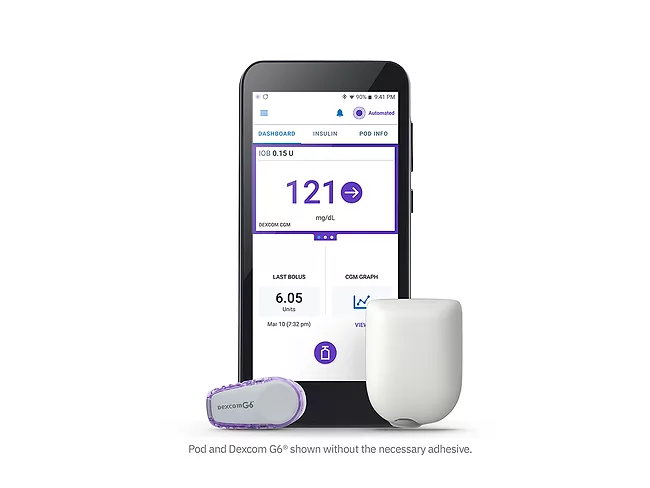
Several companies showed promising results for automated insulin delivery (AID) systems at the American Diabetes Association (ADA) annual meeting in New Orleans. Studies of the systems, also known as artificial pancreas systems, indicate that integration with continuous glucose monitoring (CGM) systems enables substantially improved glycemic control, with more time in range (TIR) and less hypoglycemia than seen with multiple daily injection (MDI) therapy or insulin-pump therapy.
Abbott Laboratories received FDA clearance for its Freestyle Libre 3 continuous glucose monitoring system (CGM) just before the kickoff of the American Diabetes Association (ADA) annual meeting June 3 followed by breakthrough device designation for a combined CGM and continuous ketone monitoring system.
The U.S. FDA’s accelerated approval path is front burner these days, what with Congress looking to modernize the path through provisions added to the must-pass user fee legislation, the controversy still boiling over the FDA’s accelerated approval last year of Biogen Inc.’s Alzheimer’s drug, Aduhelm (aducanumab), and a number of recent withdrawals of drugs granted accelerated approval years ago.
Given the safety and efficacy data presented June 7 for Novavax Inc.’s COVID-19 vaccine, NVX-CoV2373, it came as no surprise when the U.S. FDA’s Vaccines and Related Biologic Products Advisory Committee voted 21-0, with one abstention, to support an emergency use authorization for the vaccine, which is already approved and being used in many other countries, including the EU and Canada.
Although the death toll in the U.S. is nearing 1 million lives lost, signs continue to suggest that an end is in sight for the COVID-19 pandemic, the most disruptive global health crisis in a century. Now, into its third year, those at-risk have numerous options and growing numbers of people have achieved immunity through vaccines and infection.

 RSS
RSS