At the Saturday, Oct. 22 session, ‘Basic Science: Correlates of protection, immune response and the host-microbe interaction,’ of the IDWeek 2022 infectious disease conference, moderator Luiz Bermudez, professor at Oregon State University, introduced the latest advances to prevent infections with Treponema pallidum during neurosyphilis (NS), Staphylococcus aureus and osteomyelitis, and Mycobacterium tuberculosis during influenza.
After years of aggressive acquisitions, Medtronic plc joined 3M Co., General Electric Co. and Johnson & Johnson in rationalizing its business by splitting into more focused enterprises. Medtronic will separate its patient monitoring and respiratory therapy groups into a new company with projected annual revenue of $2.2 billion and 8,000 employees in the next 12 to 18 months, assuming regulatory and final board approvals.
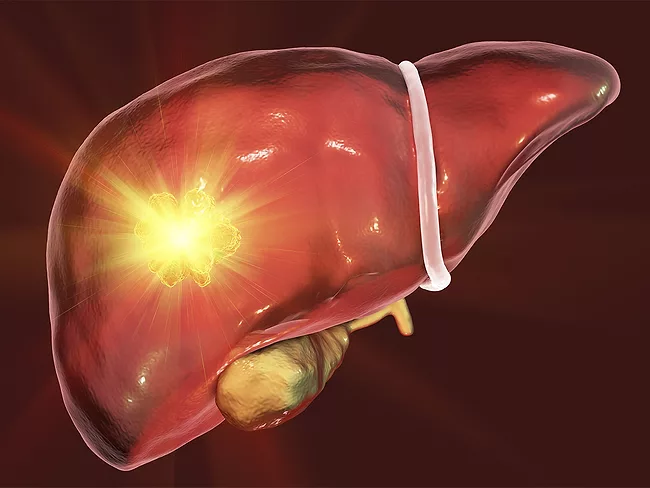
It’s been a long road, but Astrazeneca plc’s anti-CTLA4 antibody, tremelimumab, finally earned its first U.S. FDA nod, cleared for use in combination with anti-PD-L1 drug Imfinzi (durvalumab) to treat patients with unresectable hepatocellular carcinoma (HCC). The commercial impact of the dual checkpoint therapy, however, remains to be seen, as it goes up against Roche Holding AG’s combination of Avastin (bevacizumab) and Tecentriq (atezolizumab), which gained standard-of-care status in first-line HCC in 2021.
Hoping its drug, daprodustat, can succeed in the U.S. where two other hypoxia-inducible factor prolyl hydroxylase inhibitors (HIF-PHIs) have failed so far, GSK plc will present its case Oct. 26 to the FDA’s Cardiovascular and Renal Drugs Advisory Committee for the drug's potential use as a treatment for anemia in patients with chronic kidney disease regardless of dialysis dependency.
Researchers based at the City University of New York (CUNY) have designed a deep learning artificial intelligence (AI) model that can improve preclinical predictions of drug responses in humans. As outlined in the Oct. 17, 2022, online issue of Nature Machine Intelligence, the researchers believe their model – a context-aware deconfounding autoencoder (CODE-AE) – can help improve the quality of early drug response prediction and help reduce subsequent clinical trial failures.
Sinaptica Therapeutics Inc. received a U.S. FDA breakthrough device designation for its electromagnetic therapy for Alzheimer’s disease. Sinaptistim-AD combines neurostimulation, brain wave monitoring and artificial intelligence (AI) to address the cognitive and functional decline in patients with the neurological disorder.
In a bit of déjà vu, the U.S. FDA’s Obstetrics, Reproductive and Urologic Drugs Advisory Committee once again voted that Makena (hydroxyprogesterone caproate) should be withdrawn from the U.S. market while a second confirmatory trial is designed and conducted. But this time around, the committee’s 14-1 vote was much more decisive than its 9-7 vote in 2019.
The White House laid out several timelines Oct. 18 as part of a national biodefense strategy for countering biological threats and enhancing global pandemic preparedness.
Aim Biotech Pte. Ltd. has launched a lab tool that can closely model human disease. The organic system can add vascularization and immune competence to organoids, spheroids and tumor biopsies. This allows for the creation of a more defined and tunable microenvironment that more closely emulates the complexity of human physiology.
Curvebeam AI Ltd. won a U.S. FDA breakthrough device designation for Ossview, its investigational software that detects osteopenia or reduced bone mass in the already fragile bones of women 70 years of age and older. Osteopenia is difficult to diagnose using conventional bone mineral density (BMD) testing because small changes in density mask major changes in bone microstructure.
 RSS
RSS