Fibromyalgia is an often debilitating condition, characterized by chronic pain throughout the body that can leave patients fatigued, depressed and unable to perform even the simplest of activities. While a handful of drugs have been approved to treat this autoimmune disorder, they can have unpleasant side effects and do not benefit all patients. To that end, the FDA has granted a breakthrough device designation to Neurometrix Inc.’s Quell wearable neurostimulation device for treating the symptoms of fibromyalgia in adults.
Regardless of the controversy swirling around the FDA’s accelerated approval of Biogen Inc.’s Alzheimer’s drug, Aduhelm, that U.S. approval is expected to open the door to more opportunities for Alzheimer’s treatments and diagnostics.
Responding to the growing number of state-sponsored cyber threats to health care and other key sectors and to the compromise of the Microsoft Exchange Server, which was disclosed in March, Canada, the EU, U.K., U.S. and other NATO allies issued statements July 19 laying out expectations and markers for how responsible nations behave in cyberspace and specifically calling out China’s “malicious cyber activity.”
Three of the largest biopharma distributors in the U.S. agreed to a settlement of $1.179 billion with New York, bowing out of the state’s ongoing opioid lawsuit.
Aditxt Technologies Inc. enhanced its immune response test for COVID-19 by adding a high-sensitivity neutralizing antibody quantification. With the expansion, the multidimensional test, Aditxtscore, provides a comprehensive measure of the strength of an individual's immune response to the novel coronavirus.
The FDA is applying a good deal of resources toward a framework for regulation of artificial intelligence (AI) and machine learning (ML), but there are several sources of drag on those efforts. According to the FDA's Jana Delfino, one of these is that there is little agreement between regulators on a number of definitions, including the meaning of terms such as "validation," a problem she said must be solved if the field is to advance in a meaningful manner.
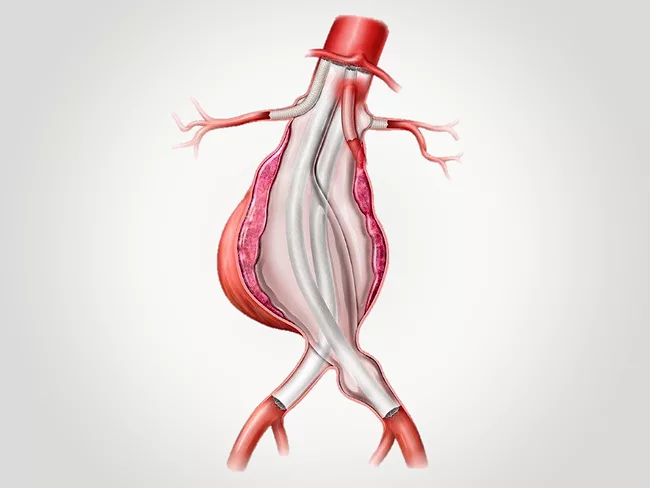
The FDA has granted breakthrough device designation to Endologix LLC for its Chimney Endovascular Aneurysm Sealing (ChEVAS) system. The device, which is intended for use in treating aortic aneurysms, is currently being evaluated in a multicenter pivotal study. The ChEVAS system is an endovascular abdominal aortic aneurysm (AAA) therapy designed to combine the Nellix 3.5 endograft with parallel visceral chimney stents to enable treatment of patients with juxtarenal, pararenal and suprarenal AAA.
On the heels of enrolling the first patient in a pivotal trial of a ventricular restoration system to treat symptomatic heart failure patients in January, Ancora Heart Inc. closed $80 million in new financing on Monday. The startup company plans to use the new funding to speed up this pivotal trial in preparation for FDA approval of its Accucinch ventricular restoration system.
Regardless of the controversy swirling around the FDA’s accelerated approval of Biogen Inc.’s Alzheimer’s drug, Aduhelm, that U.S. approval is expected to open the door to more opportunities for Alzheimer’s treatments and diagnostics.
Apotex Corp. agreed to pay $26 million to the state of Texas to resolve claims that it had reported inflated drug prices to the Texas Medicaid program.
 RSS
RSS