Proscia Inc., a Philadelphia-based company that focuses on artificial intelligence (AI)-enabled digital pathology solutions, recently made the Concentriq Dx digital pathology software available for use in reviewing and reporting of digital pathology slides in the U.S. during the COVID-19 pandemic.
Dry eye disease is a common problem, and Sight Sciences Inc., of Menlo Park, Calif., is looking to help those who suffer from the condition. Now, the company has seen the presentation of positive clinical data from the multicenter OLYMPIA study of Tearcare, which the company has heralded as the first wearable and intelligent eyelid technology for dry eye treatment.
Abbott Laboratories’ ID Now test for the SARS-CoV-2 virus made waves when it was introduced thanks to the rapid turnaround time the molecular test promised. But questions about the test’s performance have surfaced several times in recent weeks. The latest criticism comes from a study conducted at the New York University Langone Medical Center, which claims the diagnostic compared poorly against a competitor. However, the U.S. FDA said that it has questions about the swabs and transport media used in connection with the test. As a result, it will stand pat regarding the ID Now’s place in the emergency use authorization (EUA) program.
“Our window of opportunity is closing. If we fail to develop a national coordinated response, based in science, I fear the pandemic will get far worse and be prolonged, causing unprecedented illness and fatalities,” Rick Bright, former director of the Biomedical Advanced Research and Development Authority, said today as he testified at a House subcommittee hearing on the U.S. response to COVID-19.
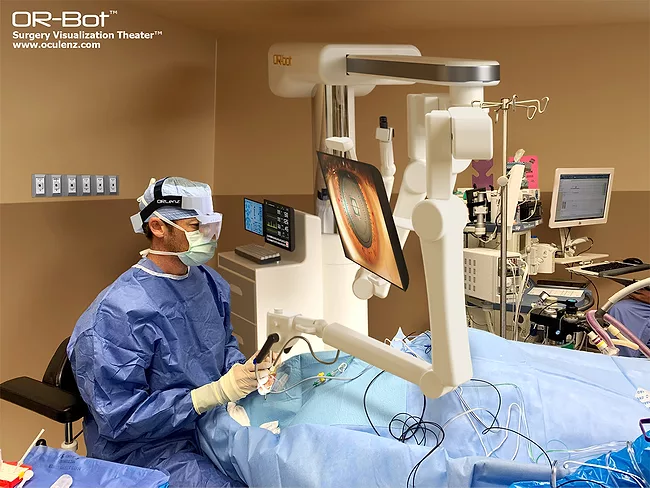
Irvine, Calif.-based startup Ocutrx Vision Technologies LLC unveiled new technology that it said helps surgeons better visualize the operative field during surgical procedures. The OR-Bot Surgery Visualization Theatre combines augmented reality (AR), virtual reality (VR) and both human- and robot-controlled arms to facilitate exacting medical procedures without the need for physicians to look away from the patient.
The U.S. Patent and Trademark Office (PTO) has opened a priority track for patents related to the COVID-19 pandemic, another signal of federal government intent on overcoming this new plague. However, Scott Marty, a partner with the Atlanta office of Ballard Spahr LLP, told BioWorld that while the program offers some distinct advantages for pandemic-driven patents, inventors should have their filings in good form before entry because any delays incurred by a less-than-airtight application could lead the PTO to boot the application out of this program.
How is the COVID-19 pandemic affecting cancer treatment plans? Oncologists are weighing switching treatment plans, and they have many questions. That’s where Nanthealth Inc., of El Segundo, Calif., is looking to help.
The U.S. does not have a universal health care system, which means that it fails to provide a consistent level of minimum care across its population. That means that basic and preventative care often falls through the cracks, even as the U.S. continues to excel at medical innovation and offer the most highly regarded health care in the world to those who can afford it.
Innovation is being rewarded under Medicare’s proposed fiscal 2021 Inpatient Prospective Payment System (IPPS) that was unveiled Monday. For starters, the Centers for Medicare and Medicaid Services (CMS) is proposing a new Medicare-severity-diagnosis related group (MS-DRG) specifically for CAR T therapies.
Quanterix Corp., of Billerica, Mass., reported that researchers have developed a COVID-19 antibody test with 1,000 times the sensitivity of current tests using its Simoa bead-based immunoassay platform.
 RSS
RSS