Amgen Inc. is looking to position inebilizumab as the first therapeutic specifically for treating immunoglobulin G4-related disease (IgG4-RD), a rare, immune-mediated condition that can affect multiple organs, after yielding what Leerink Partners analyst David Risinger called “exceptional” phase III results.
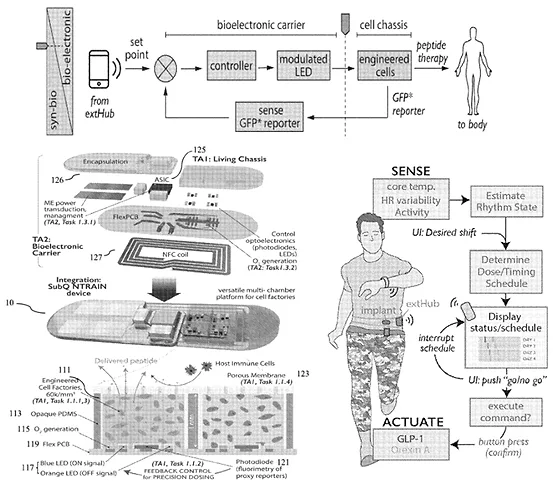
A collaborating team of researchers from Northwestern University and Rice University continue to build intellectual property for an implanted biohybrid (bioelectronic/engineered cell) device that has been likened to an implantable pharmacy on a chip that never runs out.
Molecular diagnostics company Genetic Signatures Ltd. is gearing up to launch its Easyscreen gastrointestinal parasite detection kit in the U.S. following its first FDA 510(k) clearance.
Bridgebio Pharma Inc.’s data from the phase II study with infigratinib in achondroplasia “swings the pendulum of debate sharply in favor” of the firm, competing with Biomarin Pharmaceutical Inc. in the space, Leerink analyst Mani Foroohar said in a report.
Although several members of the U.S. FDA’s Psychopharmacologic Drugs Advisory Committee said they thought Lykos Therapeutics Inc.’s midomafetamine (MDMA), used in combination with psychotherapy, is a promising treatment for post-traumatic stress syndrome, they were not ready to endorse its approval.
Miami-headquartered Summit Therapeutics Inc. expanded rights to Akeso Inc.’s non-small-cell lung cancer (NSCLC) drug, ivonescimab (SMT-112; AK-112), June 3 while raising $200 million to advance the therapy.
Although consensus was not reached on the World Health Organization’s pandemic agreement, the World Health Assembly recognized the progress made by member states to develop a pandemic agreement and to strengthen International Health Regulations (IHR, 2005) during the 77th World Health Assembly meeting held May 27 to June 1 in Geneva.
The U.S. FDA’s draft guidance for control of thermal effects of medical devices may not have broken new conceptual ground, but two trade associations are of the view that the draft is nonetheless expansive in a manner that raises serious questions.
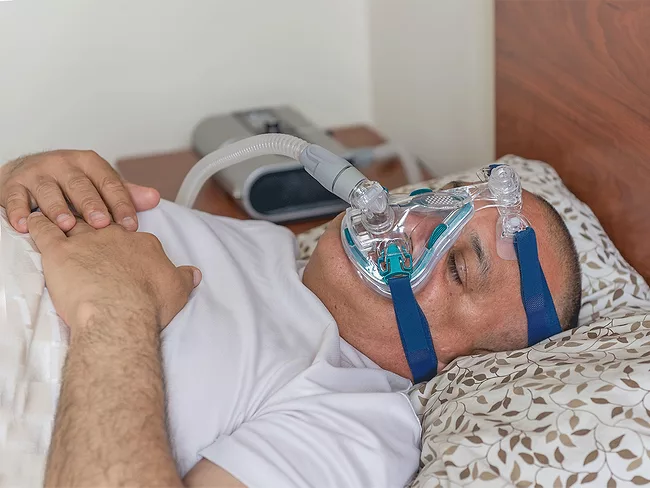
The U.S. FDA has received a citizen petition to grant over-the-counter status to continuous positive airway pressure (CPAP) machines, an oddly timed petition given a recent enforcement action against one of the prime movers in the CPAP space.
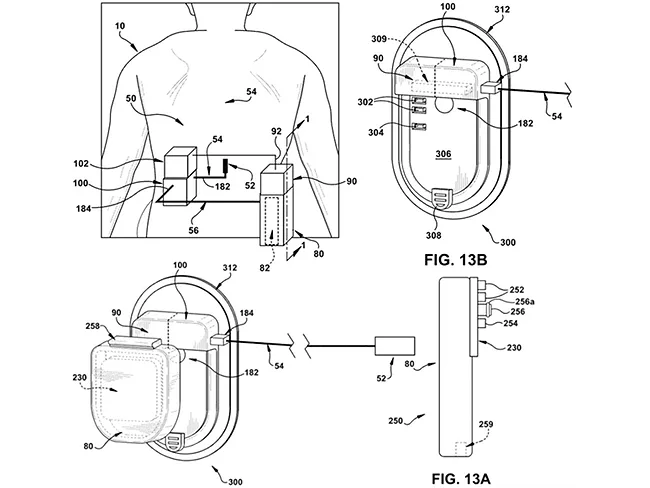
Researchers from The Cleveland Clinic Foundation continue to build intellectual property to protect their invention of a portable device for regulating the flow of cerebrospinal fluid (CSF) from a patient.

 RSS
RSS