In its newly issued complete response letter (CRL) to Aldeyra Therapeutics Inc., the U.S. FDA said there’s just not enough evidence of efficacy right now to approve ADX-2191, an injectable vitreous-compatible formulation of methotrexate to treat primary vitreoretinal lymphoma (PVRL).
Following a three-month delay, the U.S. FDA approved under priority review a subcutaneous formulation of Argenx SE’s efgartigimod, offering patients a much more convenient way to treat generalized myasthenia gravis (gMG).
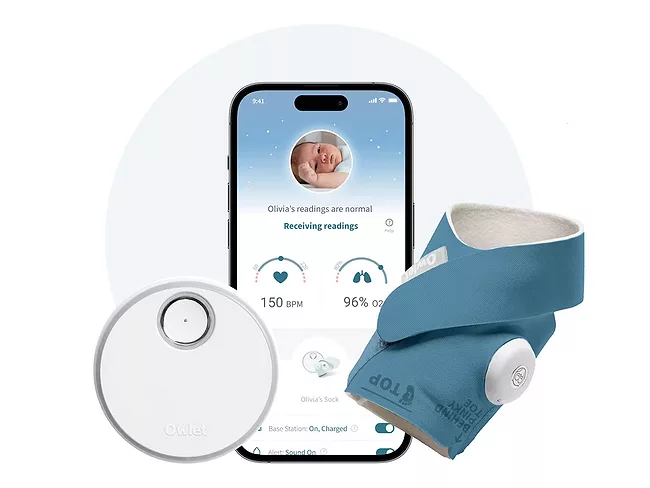
In a wise move from Owlet Inc.’s point of view, the U.S. FDA cleared the company’s Babysat pulse oximetry sock for infants. The wire-free sock design permits safe and comfortable medical-grade monitoring for infants who might otherwise require extended hospitalization.
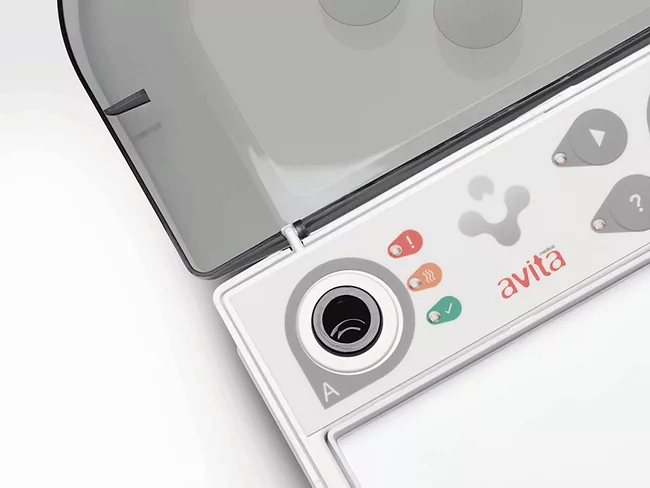
In its second approval this month from the U.S. FDA, Avita Medical Inc.’s Recell system received premarket approval for the repigmentation of stable depigmented vitiligo lesions. The approval marks the first therapeutic device offering a one-time treatment for vitiligo at the point of care. Using the device, a clinician prepares and delivers autologous skin cells from pigmented skin to stable depigmented areas.
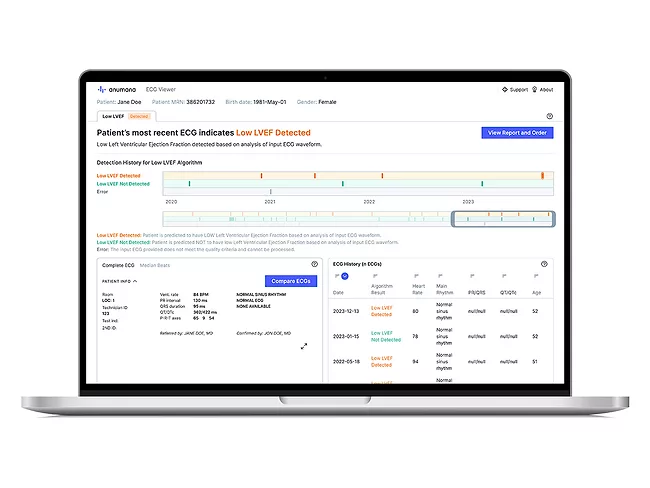
Anumana Inc. has garnered a U.S. FDA breakthrough device designation for its artificial intelligence (AI)-powered electrocardiogram-based algorithm for early identification of cardiac amyloidosis. The ECG-AI detection algorithm is the fourth from the company and its partners to notch breakthrough status.
Bristol Meyers Squibb Co. (BMS) joined the Inflation Reduction Act (IRA) pile-on June 16, filing a third constitutional challenge to the U.S. Medicare drug price negotiations mandated in the law that was narrowly passed last year on a partisan vote.
Following the death of a patient, the U.S. FDA halted Arcellx Inc.’s phase II pivotal trial of its CAR T-cell therapy for relapsed or refractory multiple myeloma (MM), putting Gilead Sciences Inc., which in December made the risky decision to part with $225 million up front for rights to the immunotherapy, in likely turmoil.
The U.S. Federal Trade Commission (FTC) reported a settlement with San Francisco-based 1Health.io Inc. for allegations that the consumer gene testing company failed to properly secure customers’ data, an oversight that will cost the company only $75,000 in fines.
If Eli Lilly and Co. had been hoping its migraine drug, Emgality (galcanezumab), would emerge with unequivocal superiority against Pfizer Inc.’s Nurtec ODT (rimegepant orally disintegrating tablet), giving the once-monthly injectable biologic an advantage in the highly competitive CGRP space, the pharma firm likely was disappointed. Findings from the phase IV Challenge-MIG study did not meet the primary endpoint, which called for Emgality’s statistical superiority over Nurtec ODT on the percentage of patients achieving a 50% or greater reduction in monthly migraine days.
Whoever said beauty is only skin deep hasn’t looked below to see what Sientra Inc. has made available there recently. The medical aesthetics company now boasts the only tissue expander cleared in the U.S. for exposure to magnetic resonance imaging, an important screening tool for breast reconstruction patients. Sientra’s CTO Denise Dajles told BioWorld the newly cleared Allox2 Pro Tissue Expander builds on the original expander also cleared by the FDA. “No other expander in the market has an MRI compatibility indication because they are based on a metal, i.e., metallic ports and big magnets in them,” Dajles explained.
 RSS
RSS