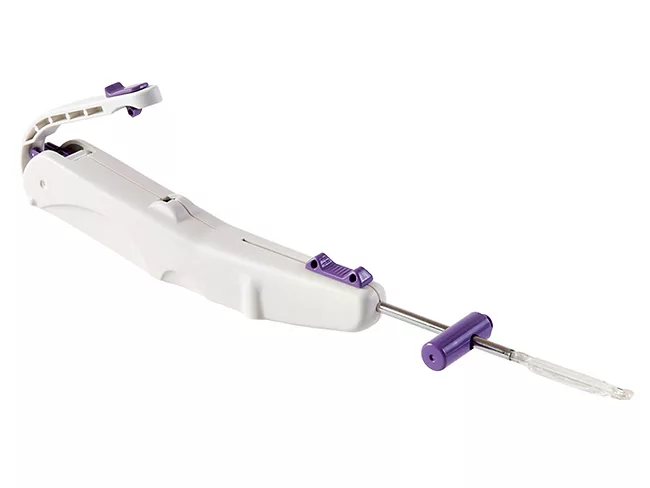
Whoever said beauty is only skin deep hasn’t looked below to see what Sientra Inc. has made available there recently. The medical aesthetics company now boasts the only tissue expander cleared in the U.S. for exposure to magnetic resonance imaging, an important screening tool for breast reconstruction patients. Sientra’s CTO Denise Dajles told BioWorld the newly cleared Allox2 Pro Tissue Expander builds on the original expander also cleared by the FDA. “No other expander in the market has an MRI compatibility indication because they are based on a metal, i.e., metallic ports and big magnets in them,” Dajles explained.
In its first untitled letter in more than a year, the U.S. FDA’s Office of Prescription Drug Promotion (OPDP) took Xeris Biopharma Holdings Inc. to task for two webpages promoting the company’s Recorlev.
The U.S. FDA’s Vaccines and Related Biological Products Advisory Committee (VRBPAC) voted unanimously to recommend COVID-19 vaccines for the 2023-2024 vaccination campaign be monovalent vaccines that target the XBB variants, currently the most prominent variants of the SARS-CoV-2 virus.
After almost 30 years in business, Sangamo Therapeutics Inc. is finally nearing a BLA filing for one of its programs. But the company, wounded by the recent loss of alliances with Biogen Inc. and Novartis AG, is also running out of cash and investor interest – and it badly needs a new deal to stay afloat.
Clene Inc. plans to sit down in the third quarter of this year with the U.S. FDA for talks about approval for gold nanocrystal suspension CNM-Au8, bolstered by favorable biomarker findings in amyotrophic lateral sclerosis (ALS) from the phase II/III Healey ALS platform trial – along with a sizeable time-to-event and survival data package that should drive the conversation.
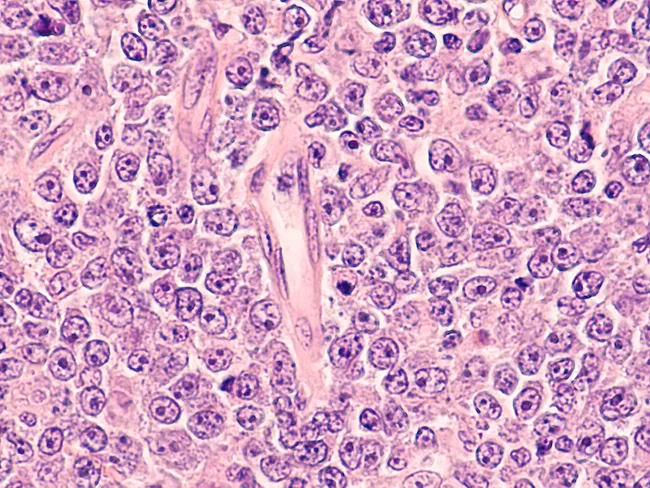
Patients with an aggressive form of lymphoma who have failed prior therapies now have a new option for treatment with the U.S. FDA’s accelerated approval of Columvi (glofitamab-gxbm), which was granted under priority review a few weeks ahead of the July 1 PDUFA date.
The U.S. FDA’s citizen’s petition process doesn’t always yield the desired outcome, but the agency must nonetheless respond to these petitions. Sonex Health Inc., has petitioned the FDA to rethink a proposal to reclassify the company’s SX-One device for treatment of carpal tunnel syndrome, an unusual instance in which a medical device maker has resisted a proposal to make a device exempt from regulatory requirements.
A committee of the U.S. House of Representatives wrapped up business in a late-running June 14 markup of spending bills that would give the U.S. FDA roughly $6.6 billion to work with in fiscal 2024. However, the final bill omits language in the manager’s mark that had called on the FDA to engage in rulemaking or guidance development for lab-developed tests, but the FDA made up for that by adding a proposal to engage in rulemaking for LDTs in its regulatory agenda.
In their continuing battle against high prescription drug prices, U.S. lawmakers are firing yet another volley at the middlemen – this time to delink their administrative fees from drug prices. Several members of the Senate Finance Committee, including the leadership, introduced the bipartisan Patients Before Middlemen Act June 14 with the intent of wrapping it into a larger drug pricing legislative package the committee plans to complete over the next few months.
Eli Lilly and Co.’s phase II data with LY-3462817 (peresolimab), a monoclonal antibody (MAb) that functions as a PD-1 agonist for rheumatoid arthritis (RA), juiced hopes for the approach being tried by a handful of firms.
 RSS
RSS