The U.S. CMS has unveiled a proposed national coverage determination for powered seat elevation systems for Group 3 power wheelchairs, one of the more expensive items in the category of mobility durable medical equipment (DME). However, the agency indicated that it will soon examine coverage of powered seat elevation systems for Group 2 power wheelchairs, the combination of which suggests that manufacturers in the DME space are looking at a market that seems poised to explode.
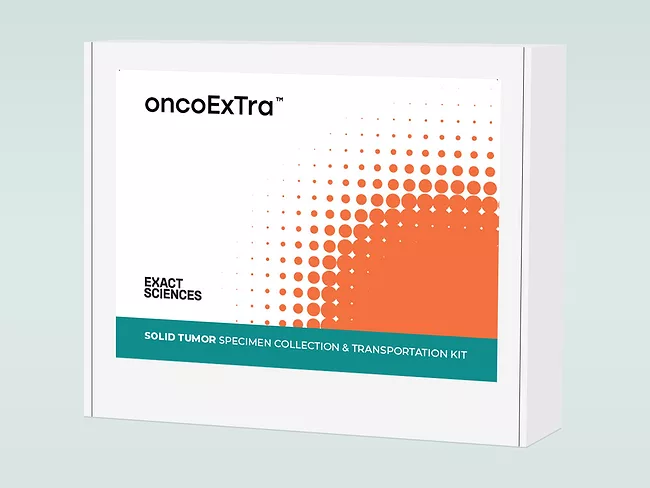
A cancer therapy test unveiled by Exact Sciences Corp. will be able to provide a complete molecular picture of a patient’s tumor allowing for them to receive the most effective treatment as quickly as possible. Exact’s Oncoextra therapy selection test, recently launched in the U.S., enhances the ability of doctors to characterize and understand solid tumors.
Despite pleas from patient advocacy groups and bipartisan pressure from the U.S. Congress, the Centers for Medicare & Medicaid Services (CMS) isn’t budging on its national coverage determination for amyloid-targeting monoclonal antibodies approved to treat Alzheimer’s.
GE Healthcare Technologies Inc. reported a recall of several systems in its nuclear medicine line of high-end imaging systems for two potential issues that could lead to the collapse of a detector weighing more than half a ton onto the patient. According to the U.S. FDA listing for the recall, no injuries or fatalities have been reported in connection with these issues, but the announcement resurrects an episode from 2013 in which a patient in New York lost his life when a nuclear imaging camera collapsed during an imaging procedure.
Esophageal cancer is often referred to as the “silent killer” because few people show any symptoms until after the cancer has spread. If localized, five-year survival rate is 46%, but that drops to just 5% when malignancy has reached distant parts of the body.
Now that the U.S. FDA has granted accelerated approval for Biogen Inc./Eisai Co. Ltd.’s early Alzheimer’s drug, Leqembi (lecanemab), the Centers for Medicare & Medicaid Services (CMS) is being pressured to rethink its coverage of amyloid-targeting monoclonal antibodies.
Merit Medical Systems Inc. received a U.S. FDA breakthrough device designation for its Scout MD surgical guidance system, which enables physicians to pinpoint tumor location in soft tissue. The system uses up tiny reflectors to provide multidimensional location data that can improve the ability to remove the entire tumor with minimal trauma to the surrounding tissue, which can be a challenge in surgeries such as lumpectomies.
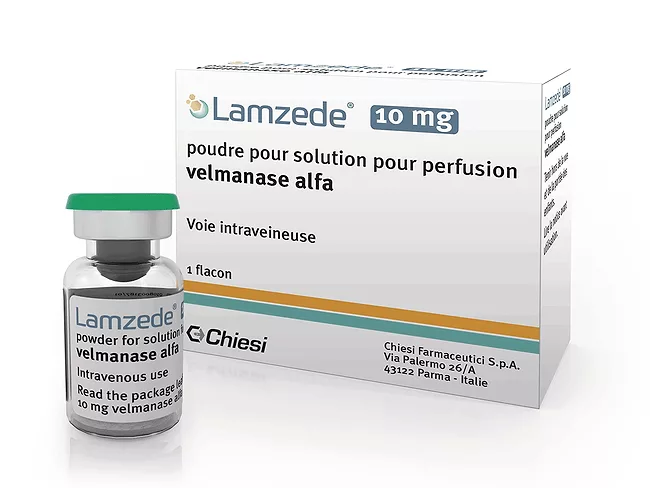
Chiesi Farmaceutici SpA scored U.S. FDA clearance of the enzyme replacement therapy (ERT) Lamzede (velmanase alfa-tycv) for non-central nervous system manifestations of alpha-mannosidosis (AM) in adult and pediatric patients. An ultra-rare, progressive lysosomal storage disorder, AM is caused by deficiency in the enzyme alpha-mannosidase. Lamzede is the first ERT to win approval in the indication, characterized by an inability to properly break down certain groups of complex sugars in the body’s cells.
Neurodiagnostics LLC (dba Synaps Dx) and Linus Health Inc. reported significant advances for their dementia diagnostics Feb. 16, adding to the liquid biopsies and radiologic studies currently used and potentially expanding access to beneficial treatments for Alzheimer’s disease (AD) and other dementias.
If the Feb. 16 hearing before the U.S. Senate Commerce Committee is anything to go by, it’s almost a given that the bipartisan Pharmacy Benefit Manager (PBM) Transparency Act will eventually be passed by the Senate. But its journey through the Republican-controlled House could be more uncertain in light of growing concerns about an “activist agenda” at the FTC.

 RSS
RSS