With an eye toward the future, the U.S. Patent and Trademark Office (USPTO) is seeking comment on artificial intelligence (AI) technologies and inventorship issues that may arise as AI takes on a bigger role in innovation.
The U.S. International Trade Commission (USITC) is launching an investigation into the importation from China of certain thyroid hormone receptor-beta agonists, products containing them and the manufacturing processes being used.
With China taking steps to enact or propose amendments to more than 60 intellectual property (IP)-related laws and regulations over the past few years, drug and device companies doing business in the country need to keep abreast of the changes. Despite China’s efforts, most of the participants in the Feb. 9 U.S. Patent and Trademark Office’s quarterly China IP webinar indicated in a pre-webinar survey that they have yet to see much of an improvement in China’s enforcement and regulation of IP rights.
Diagnosing leukemia can be a straightforward matter that requires little more than analysis of a complete blood count. Too many white blood cells or too few red blood cells could herald leukemia. Flow cytometry may reveal the specific types of blood cell running amok—or not. Sometimes, leukemia stays in the bone marrow, making identification of the specific type more difficult. In those cases, a patient faces a more complex process that typically requires a bone marrow biopsy.
To increase transparency at its advisory committee (adcom) meetings, the U.S. FDA is proposing asking guest speakers to voluntarily disclose their financial interests and professional relationships to determine their eligibility to give a presentation at an adcom meeting.
With an eye toward the future, the U.S. Patent and Trademark Office (USPTO) is seeking comment on artificial intelligence (AI) technologies and inventorship issues that may arise as AI takes on a bigger role in innovation.
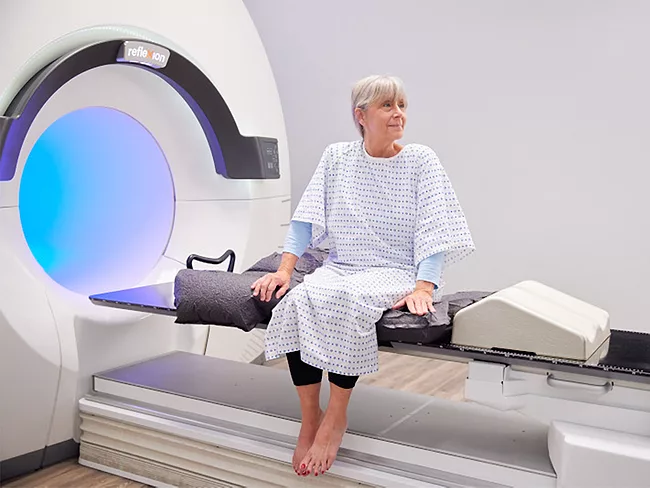
Reflexion Medical Inc. has been granted U.S. FDA marketing clearance for biology-guided radiotherapy to treat early and late-stage cancers. An expansion of the company’s existing X1 platform, Scintix is indicated for patients with lung and bone tumors which may arise from primary cancers or from metastatic lesions spread from other cancers in the body.
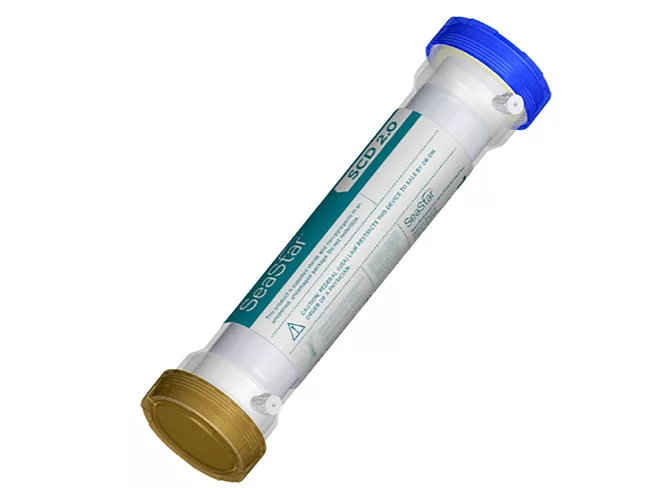
The U.S. FDA has cleared the way for Seastar Medical Holding Corp.. to conduct a pivotal IDE study of its Selective Cytopheretic Device (SCD) in adults with acute kidney injury (AKI). The Denver-based company plans to begin enrolling patients as early as next month.
Baxter International Inc.’s fourth quarter earnings per share came in well below consensus and the company lowered expectations for 2023’s first quarter and full-year performance citing “ongoing macroeconomic challenges and supply chain headwinds.” Topline results that beat expectations provided cold comfort to investors who saw the stock price drop 12% following the release of the quarterly report. Baxter also provided additional details on the restructuring including limited layoffs along with the quarterly update.
Feeling “ashamed” of having to use metal flesh-piercing forceps to stabilize the cervix during the insertion of intrauterine contraceptive devices, David Finci a gynecologist and co-founder of Aspivix SA, turned to his brother Julien, a medical device engineer, for his thoughts on how to design a more suitable instrument.

 RSS
RSS