The U.S. FDA approved Takeda Pharmaceutical Co. Ltd.’s Fruzaqla (fruquintinib) nearly 20 days ahead of its Nov. 30 PDUFA date for adults with previously treated metastatic colorectal cancer. “Fruzaqla is the first targeted therapy approved in the U.S. for mCRC regardless of biomarker status or prior types of therapies in more than a decade,” Stefanie Granado, head of Takeda’s U.S. Oncology business unit, told BioWorld.
Carrying through on a policy it adopted a few months ago to crack down on potentially anticompetitive FDA Orange Book listings, the U.S. FTC put 10 drug companies on notice that it’s challenging several of their “improperly or inaccurately listed” patents through the FDA’s regulatory dispute process.
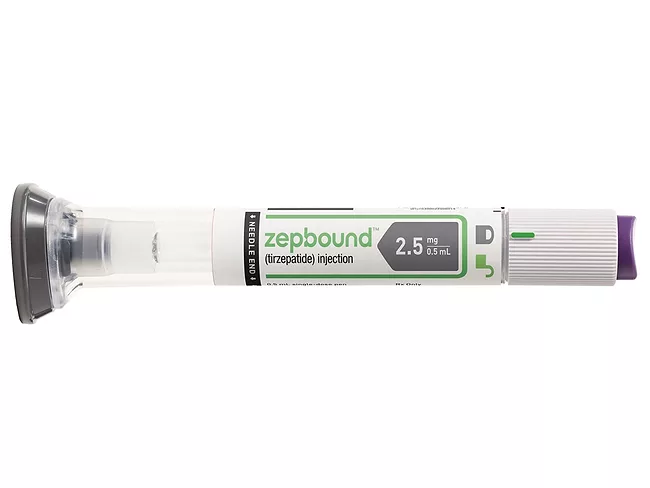
A year-and-a-half after Eli Lilly and Co.’s Mounjaro (tirzepatide) gained U.S. FDA approval for adults with type 2 diabetes, the GLP-1 and GIP dual agonist was cleared for chronic weight management in adults who are obese or overweight and who also have one related condition.
Multinational pharma companies like Moderna Inc. and Sanofi SA are setting up mRNA R&D centers in Australia and are banking on the country’s decades of mRNA expertise to bring new therapeutics to the clinic and to serve as regional hubs in Asia Pacific, speakers said during the Ausbiotech 2023 conference held Nov 1-3 in Brisbane, Australia.
In another step that blurs the distinction between biosimilars and interchangeables, the U.S. Centers for Medicare & Medicaid Services (CMS) is proposing a rule to give Medicare Part D plans more flexibility to substitute biosimilars for the reference biologics so Medicare beneficiaries can have timelier access to the lower-cost drugs. The rule would permit the plans to treat the biosimilar substitutions as “maintenance changes” that don’t require prior Medicare approval. Such changes would enable the substitutions to apply to all enrollees – and not just those who begin the therapy after the effective date of the change.
Wading into the “muddied waters” of rounding the numbers used in a range claimed in two drug patents, the U.S. Court of Appeals for the Federal Circuit refused to set a “bright line rule.” Instead, it tossed a lower court win for Actelion Pharmaceuticals Ltd. against Mylan Pharmaceuticals Inc. and sent the case back to that court with instructions to consider the extrinsic evidence and its impact on the claim construction.
After nearly two years with an acting director, the U.S. NIH now has a confirmed leader. The Senate voted 62-36 Nov. 7 to confirm Monica Bertagnolli, a cancer surgeon and researcher, as the next director of the research agency.
Multinational pharma companies like Moderna Inc. and Sanofi SA are setting up mRNA R&D centers in Australia and are banking on the country’s decades of mRNA expertise to bring new therapeutics to the clinic and to serve as regional hubs in Asia Pacific, speakers said during the Ausbiotech 2023 conference held Nov 1-3 in Brisbane, Australia.
The U.S. Department of Justice (DOJ) has a unique role in enforcement of medical product communication even though the department shares oversight of medical product promotions with the FDA and the Federal Trade Commission (FTC).
 RSS
RSS