Boehringer Ingelheim GmbH’s zongertinib enters the market as the first oral HER2-targeted therapy for patients with non-small-cell lung cancer, following an accelerated approval by the U.S. FDA. Branded Hernexeos, the drug is cleared for use in adults with unresectable disease or whose tumors have HER2 tyrosine kinase domain activating mutations and who have received prior systemic therapy.
Drug companies and organizations challenging the Medicare drug negotiations have yet to convince a U.S. court that the process, mandated by the 2022 Inflation Reduction Act, violates the Constitution. The most recent decisions came this week when the U.S. Court of Appeals for the Second Circuit ruled Aug. 7 against Boehringer Ingelheim GmbH and the Sixth Circuit ruled Aug. 6 against a challenge filed by the Dayton, Ohio, Chamber of Commerce, the U.S. Chamber, and the Ohio and Michigan Chambers.
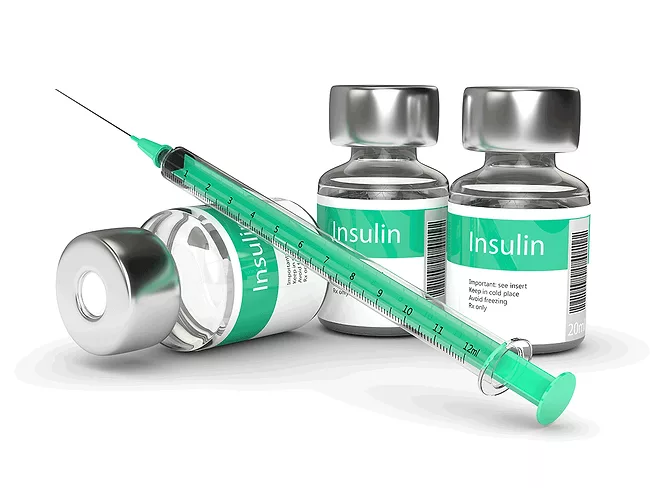
A federal appeals court opened the door Aug. 6 for an amended class-action lawsuit alleging that Astrazeneca plc, Eli Lilly and Co., Novo Nordisk A/S and Sanofi SA engaged in a horizontal price-fixing conspiracy involving insulin products and GLP-1 drugs indicated in diabetes when they each adopted similar policies in 2020 to impose restrictions on 340B discounts to an unlimited number of contract pharmacies.
Location, location, location. While location is as important in manufacturing as it is in buying a home, it could become even more so for drug companies when, and if, the global biopharma sector tariff U.S. President Donald Trump continues to tease becomes a reality. In the shadow of the impending tariff, the FDA is working on a draft framework, the two-phase FDA PreCheck, to make it faster and easier for biopharma companies to relocate their manufacturing to the U.S.
With half-year industry financings down 59% from last year, and a U.S. administration supportive of cryptocurrencies, biopharma companies are building treasuries of digital assets to secure future R&D efforts and operational runways. Companies such as Artelo Biosciences Inc., MEI Pharma Inc., Windtree Therapeutics Inc. and 180 Life Sciences Corp. and have entered crypto deals in recent weeks, with the latter noting the potential to “unlock value outside traditional biotech milestones.”
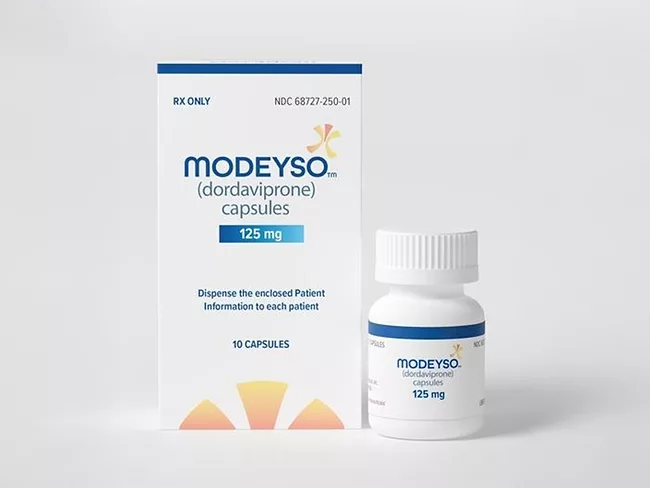
Jazz Pharmaceuticals plc is prepped and ready for launch following U.S. FDA accelerated approval of dordaviprone as the first systemic therapy for H3 K27M-mutant diffuse glioma. Branded Modeyso, the orally administered first-in-class imipridone was acquired via Jazz’s acquisition earlier this year of Chimerix Inc. in a deal valued at about $935 million.
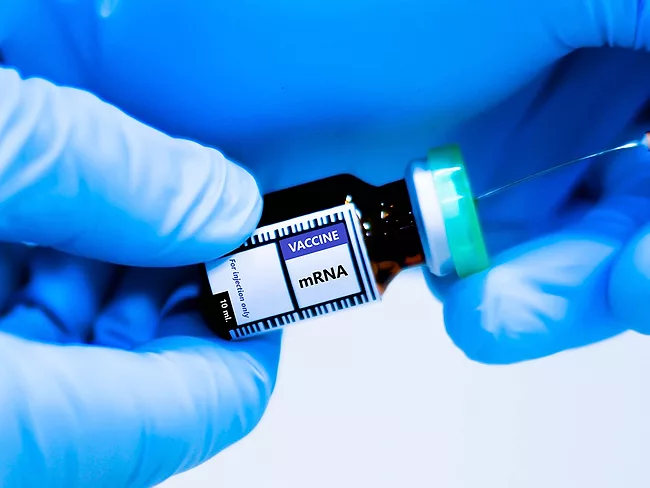
Cancel culture continues at the U.S. Department of Health and Human Services (HHS) as it observes National Immunization Awareness Month with another strike against vaccines. This time, a $500 million strike specifically targets 22 mRNA vaccine R&D programs at the Biomedical Advanced Research and Development Authority (BARDA), marking the beginning of the end of BARDA’s funding for mRNA vaccines.
After shutting down manufacturers’ efforts last year to offer the mandated 340B discounts on outpatient prescription drugs as a rebate rather than an up-front price, the U.S. Health Resources and Services Administration (HRSA) is now inching the rebate door open for drugs that were selected for the first round of Medicare price negotiations.
Agios Pharmaceuticals Inc. said the patients’ deaths tied to anemia therapy Pyrukynd (mitapivat) that were announced in a securities analyst’s Aug. 4 note to investors hasn’t changed the drug’s already established benefit-risk profile on the drug’s U.S. prescribing information.
Vertex Pharmaceuticals Inc.’s bad news from a phase II pain study and separately on the regulatory front caused shares (NASDAQ:VRTX) to close Aug. 5 at $393.83, down $78.44, or 16%. Vertex rolled out top-line results from the phase II dose-ranging study to test the safety and efficacy of its NaV1.8 pain signal inhibitor, VX-993, in tackling acute pain after bunionectomy.
 RSS
RSS