The EMA has changed its mind about an earlier decision that the risks of Leqembi (lecanemab) outweigh the benefits and is now recommending the Alzheimer’s disease drug is approved for a subgroup of patients. That follows an appeal by Eisai Co. Ltd. and a re-examination of the data, after details relating to 274 patients with two copies of the ApoE4 gene were removed from the file.
PTC Therapeutics Inc.’s accelerated go-ahead from the U.S. FDA for Kebilidi (eladocagene exuparvovec-tneq), a recombinant adeno-associated virus serotype 2-based gene therapy to treat aromatic L-amino acid decarboxylase (AADC) deficiency, came with a priority review voucher (PRV) that the company intends to monetize.
Daiichi Sankyo Co. Ltd. and Astrazeneca plc have submitted a new BLA to the U.S. FDA for accelerated approval for datopotamab deruxtecan for treating locally advanced or metastatic epidermal growth factor receptor-mutated non-small-cell lung cancer patients who have received prior systemic therapies.
Rapt Therapeutics Inc. has decided to shut down its zelnecirnon (RPT-193) program in asthma and atopic dermatitis, causing the company’s stock (NASDAQ:RAPT) to sharply decline Nov. 11.
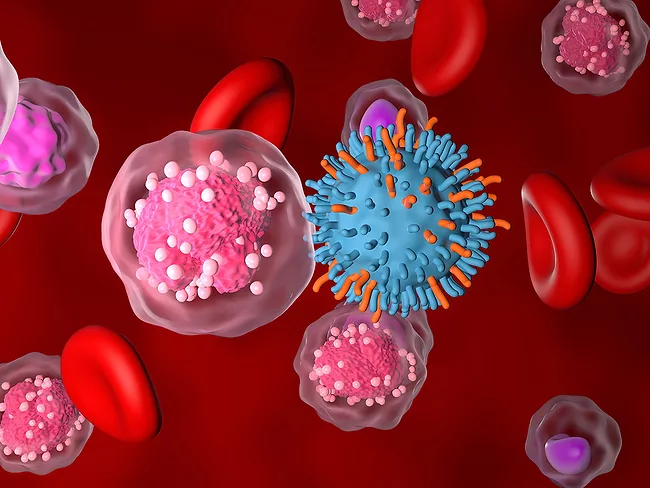
Autolus Therapuetics plc has been granted FDA approval for Aucatzyl (obecabtagene autoleucel) for the treatment of acute lymphoblastic leukemia in adults, becoming the first marketed CAR T therapy that does not have a risk evaluation and mitigation strategy attached to its label. The approval of Aucatzyl was based on results of the Felix clinical trial in relapsing/remitting ALL, which showed a strong safety profile compared to existing CAR T-cell therapies. The conduct of the trial was dogged by the COVID-19 pandemic, but of the 65 patients from an initial dosed cohort of 95 for whom efficacy was evaluated by the FDA, 63% achieved overall complete remission.
With the U.S. Congress sitting on its hands on reforms to the 340B drug discount program, states are stepping into the gap. While most state efforts have been aimed at forcing biopharma companies to give the federally mandated drug discounts to an increasing number of contract pharmacies, California is looking in a different direction. According to unofficial election results, a slim majority of the state’s voters said yes to Proposition 34, which would require certain providers that benefit from the drug discounts to spend at least 98% of their 340B revenues on direct patient care.
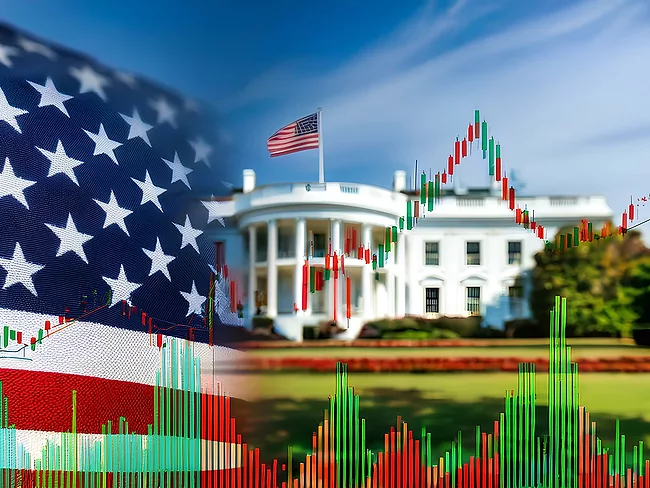
While uncertainty often casts a shadow on the Street, U.S. investors welcomed the presidential and congressional election results with a late-night surge that carried into the morning Nov. 6. The Dow Jones peaked at 1,380.47 points early the day after, up 3.27% from Election Day itself and hitting its highest point of the year so far. The celebration extended to the biotech sector, with the BioWorld Index, which covers more than 500 companies, up 17.06% for the year, compared with a 12.28% increase for the year on Nov. 1.
“I think elections are like pregnancy. … Everyone puts all of the energy into D-day – the birth. We’ve had the gender reveal, but what really, really matters is what happens now and the path ahead.” That was the instant response of Emma Walmsley, CEO of GSK plc, reacting to breaking news from the U.S. that Donald Trump has won a second term in office.
The FDA has lifted a clinical hold on Carsgen Therapeutics Holdings Ltd.’s. CAR T products after issuing the company a warning letter following a December 2023 FDA inspection that found the company violated good manufacturing practices at its Research Triangle Park facility in Durham, N.C.
Drug regulators around the world have a unique opportunity – and, in some cases, a legal mandate – to remove the taint of forced labor from the biopharma supply chain. But some of them, including the U.S. FDA and Japan’s PMDA, may be turning a blind eye to those responsibilities, according to a recent report from the nonprofit Centers for Advanced Defense Studies.

 RSS
RSS