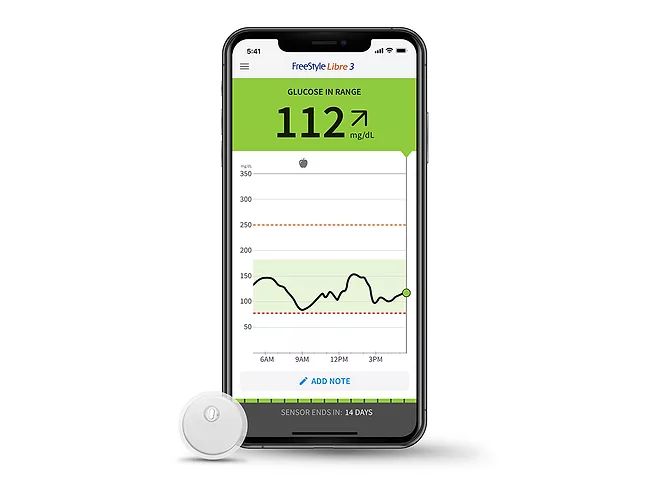
Abbott Laboratories announced a recall of Freestyle Libre 3 and Libre 3 Plus sensors used in continuous glucose monitors after receiving reports of more than 700 injuries and seven fatalities that may be associated with the sensor malfunction. The company did not describe the nature of the malfunction let alone a root cause, but said the affected product comes from only one of three production lines, and thus it expects no shortages associated with the recall.
The U.S. Centers for Medicare & Medicaid Services released the 1657-page final rule for inpatient payment for calendar year 2026, a document chock full of important policy decisions including a renewed call for elimination of the inpatient-only list.
Recent progress in redressing the historical underfunding and neglect of women’s health could be undermined by the backlash against diversity, equity and inclusion (DEI) initiatives, according to executives participating in the FT Global Pharma and Biotech Summit 2025 in London Nov. 11-12.
Changes to a U.S. CDC website regarding autism and vaccines has sparked a backlash from numerous scientific and other groups, placing HHS Secretary Robert F. Kennedy Jr. (RFK) in the spotlight once again for appearing to break promises made earlier this year to secure his nomination.
Overture Life SLU secured CE mark certification for its Davitri system that automates the vitrification and thawing of oocytes and embryos, making the processes more efficient, consistent and cost-efficient. Davitri has the potential to transform IVF, giving women and families more control over their fertility timelines and ensuring every egg and embryo has the best possible chance of survival.
The U.K. Medicines and Healthcare products Regulatory Agency is calling for unified standards to harmonize microbiome research, after revealing major inconsistencies in the results when labs around the world analyzed identical reference samples of gut bacteria.
A new oral HER2-directed breast cancer therapy from Bayer AG, and its companion diagnostic from Thermo Fisher Scientific Inc., have been approved by the U.S. FDA. Hyrnuo (sevabertinib), a reversible tyrosine kinase inhibitor, was greenlit by the agency for adults with locally advanced or metastatic non-squamous advanced HER2-mutant non-small-cell lung cancer.
The resolution of the budget impasse between Democrats and Republicans on Capitol Hill sidestepped a number of problems, including some cuts to Medicare payment rates for clinical laboratory testing services. However, that pause is only in effect through the end of January 2026, leaving operators of these labs with a fiscal sword of Damocles to manage.
The European Commission posted a series of proposed legislative updates, including the AI Act, which might not come into force for the med tech industry until August 2028 under the terms of this proposal.
Aesculap Implant Systems LLC has seen its share of bad news recently, but the company seems to have cleared the legal deck with an agreement to pay $38.5 million per a Nov. 17 announcement by the U.S. attorney’s office for the district of Eastern Pennsylvania.
 RSS
RSS