Australia’s Therapeutic Goods Administration has made a few adjustments to its advertising guidelines for social media promotions, including the requirement that the manufacturer is responsible for anything posted by influencers who are acting on behalf of the manufacturer.
Magstim Co. Ltd. reported that the U.S. FDA cleared its Magstim Rapid magnetic stimulation system for the treatment of chronic pain. The clearance provides a clinically validated therapy that directly targets neural pathways involved in pain processing to deliver a non-invasive, drug-free treatment for chronic pain.
One of the problems of doing business in the EU is that each member nation has its own more or less unique requirements for clinical trial registration, but the Medical Device Coordination Group may have a solution in the form of a pilot program for harmonized clinical trial registration.
A four-way interagency initiative in South Korea, started in 2020, is working to bolster funding for the local medical device industry and grow homegrown devices for the global market.
The U.K. Medicines and Healthcare Products Regulatory Agency has laid out an approach to medical products for rare diseases, which the agency said afflict 3.5 million U.K. citizens. One of the objectives of this program is to simplify evidence requirements for these therapies with the hope of providing patients with more rapid access to much-needed therapeutic options.
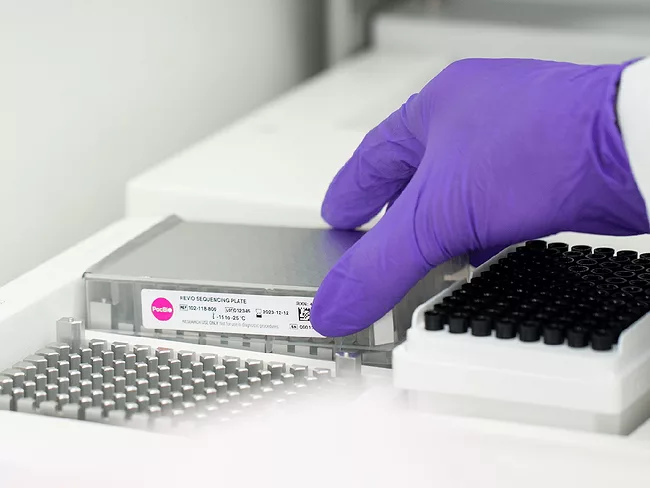
On Nov. 5, the Chinese Ministry of Commerce reported it would lift the export ban on Illumina Inc., which had been in place since March 4. While the ban will be lifted starting Nov. 10, Illumina remains on the unreliable entities list, requiring government approval for instrument purchases.
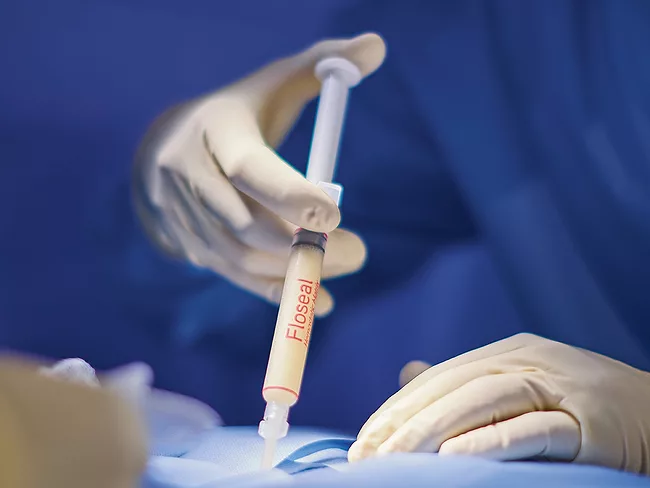
Baxter International Inc. recently received clearance under the Medical Device Regulation for its Floseal Hemostatic Matrix device, a proven adjunct hemostatic agent effective in a wide range of bleeding scenarios. With bleeding control still a critical concern, the device offers health care professionals a reliable solution to enhance patient safety and improve surgical outcomes.
The U.S. Patent and Trademark Office (PTO) has resurrected a previous policy that requires parties to a proceeding at the Patent Trial and Appeals Board to disclose all the parties of interest in the proceeding. PTO said this shift is driven in part by national security considerations, but the reversal forces participants in PTAB proceedings to disclose the identity of any affiliates that may have an interest in the outcome lest the petition for an administrative hearing be denied.
The U.S. FDA’s attempts to harmonize with other nations on quality management received a dose of good news recently when the International Organization for Standards decided to stand pat on ISO 13485, which also leaves the FDA’s Quality Management System Regulation intact.
Tulyp Medical Inc. has emerged from stealth mode with a pressure-driven perfusion system designed to improve vascular procedures. The company, born out of Sofinnova Partners' medical device accelerator, has submitted the technology to the U.S. FDA for 510(k) clearance following initial clinical results that demonstrated safety and functionality.
 RSS
RSS