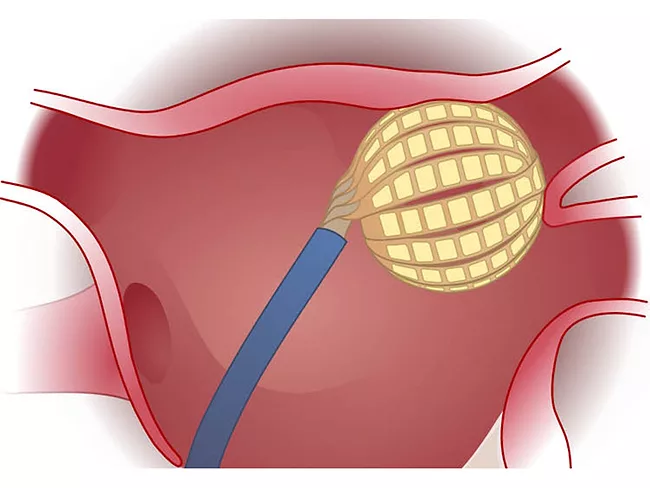
Kardium Inc.’s Globe pulsed field system received U.S. FDA premarket approval, making it the fourth PFA system in the rapidly expanding market for cardiac ablation for atrial fibrillation. The system’s introducer sheath and mapping software also received clearance.
The Sept. 3 congressional hearing on AI in health care raised questions about whether the U.S. FDA enjoys the statutory authorities it needs to properly regulate this class of products, but witnesses at the hearing said a lack of trust in AI is a substantial roadblock to adoption.
The U.K. Medicines and Healthcare Products Regulatory Agency announced a new pilot program for modifications to clinical trials that allows for automatic approvals of those changes based on the risks those changes present.
Edwards Lifesciences Corp. execs no doubt danced a little jig on the release of the latest European Society of Cardiology/European Association for Cardio-Thoracic Surgery guidelines for valvular heart disease. The update established a simplified pathway for severe aortic stenosis (AS) that eliminated the previous divide between symptomatic and asymptomatic severe AS.
Two days after the ouster of Susan Monarez as CDC director on Aug. 27, HHS confirmed to BioWorld that James O’Neill is serving as acting director. O’Neill was previously Deputy Secretary of Health and Human Services. He has also served as the CEO of the SENS Research Foundation, which merged with Lifespan.io in 2024. The resulting Lifespan Research Institute describes itself as “focused on the defeat of age-related disease and the extension of healthy human lifespan” on its website.
Medtronic plc received U.S. FDA approval for the expanded redo TAVR indication of the Evolut transcatheter aortic valve replacement system. The approval allows for valve-in-valve implantation of a new Evolut valve inside a failed previously implanted TAV made by any manufacturer in patients with severe aortic stenosis considered high-risk for open-heart surgery.
The U.S. Department of Health and Human Services reported Aug. 27 that Susan Monarez no longer occupies the post of director for the CDC, a development that arose within hours of the FDA’s approval of two COVID-19 vaccines with historically restrictive labeled indications.
Telix Pharmaceuticals Ltd. received an FDA complete response letter (CRL) a day after the Aug. 27 PDUFA date for its BLA for radiopharmaceutical renal cancer imaging agent, Zircaix (TLX250-CDx, 89Zr-DFO-girentuximab).
Ciliatech SAS received CE certification under the Medical Device Regulation for its Intercil Uveal Spacer, a surgical implant developed to treat glaucoma. The cilio-scleral inter-positioning device lowers intraocular pressure without penetrating the anterior chamber, marking the arrival of a new treatment option for glaucoma patients.
 RSS
RSS