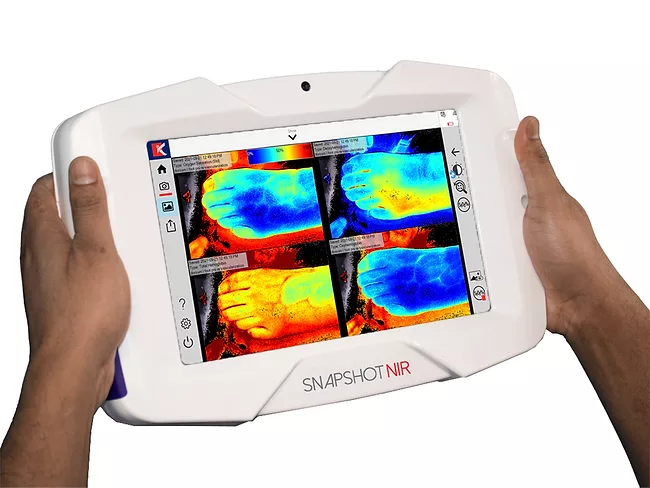
Kent Imaging Inc. received CE marking for its SnapshotNIR imaging device which uses near-infrared spectroscopy to measure oxygenated and deoxygenated hemoglobin in the microvasculature. The non-invasive point-of-care device provides real-time data to clinicians to help them make decisions which can change the trajectory of a wound, from chronic and non-healing, into a healing one, significantly improving the patient’s quality of life.
The struggle to avoid a partial U.S. government shutdown at midnight Sept. 30 is getting a lot of attention, as the stakes increase every day of the political standoff. Meanwhile, Sept. 30 also could be the end of the 43-year-old Small Business Innovation Research (SBIR) program, which has been a funding boon for biotech and med-tech startups, if Congress can’t come together on a reauthorization bill.
Heartflow Inc. hasn’t skipped a beat in pumping out good news, with U.S. FDA 510(k) clearance for its next-gen plaque analysis algorithm and platform and Cigna coverage across all lines of coverage starting in October. The new algorithm improves plaque detection 21% compared to the first version of Heartflow’s algorithm.
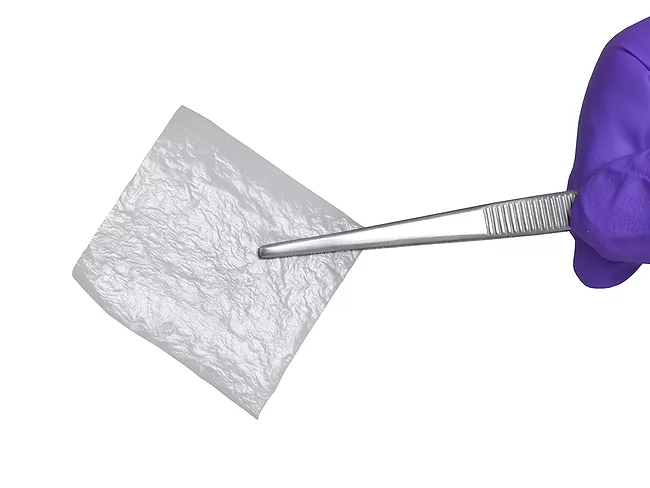
Convatec Group plc secured CE mark and UKCA approvals for Convamatrix, its porcine placenta-based wound dressing designed for hard-to-heal wounds. The single use, skin substitute product is intended to cover, protect and provide a moist wound environment to support the body’s natural healing process.
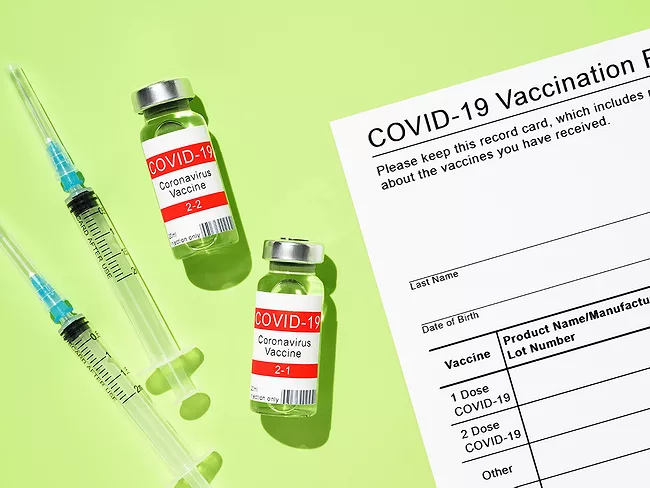
The second day’s meeting of the U.S. CDC’s Advisory Committee for Immunization Practices (ACIP) took up guidelines related to COVID-19 vaccines, of which an outspoken skeptic is Health and Human Services Secretary Robert Kennedy – who in June fired all 17 members of ACIP and replaced them with names more to his liking.
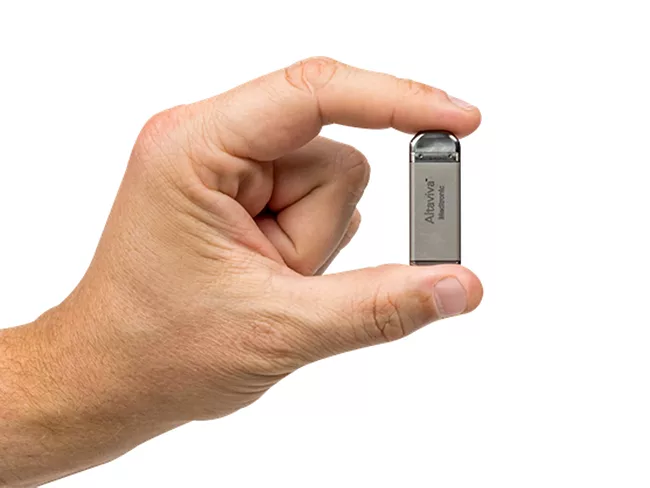
Medtronic plc received U.S. FDA approval for Altaviva, a minimally invasive implantable tibial neuromodulation device designed to treat urge urinary incontinence. Insertion near the ankle requires neither sedation nor imaging and patients walk out the clinic door with the device already activated.
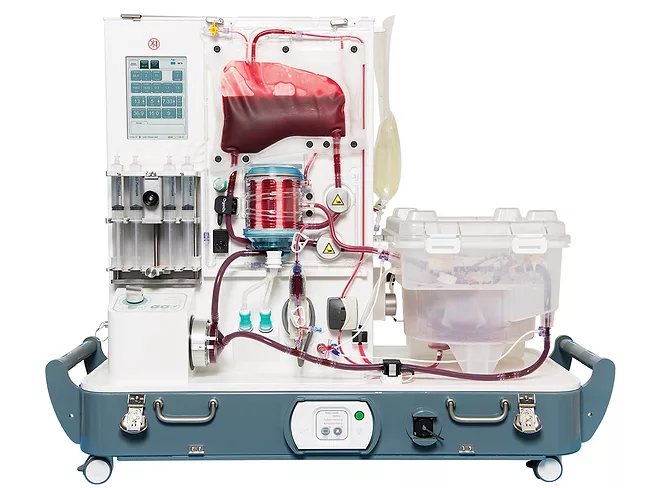
Organox Ltd.’s normothermic machine perfusion device, Metra, has been cleared by the U.S. FDA for use during air transport. The greenlight from the regulatory body paves the way for the broader use of donor organs that might otherwise be discarded, as the Metra system circulates oxygen and nutrient rich perfusate through the organ at near-body temperature, extending preservation times.
A committee of the House of Representatives advanced a bill that if passed will give eligible breakthrough medical devices four years of Medicare coverage.
As is the case with the Made in China 2025 initiative, the Make in India program has at least a decade of history to look back on, with some benefits accruing to the nation’s med-tech sector. All the same, Gunjan Bagla, CEO of Los Angeles-based Amritt Inc., told BioWorld that the initiative could be more successful if the legislature would tweak the laws to create a more helpful environment for industry.
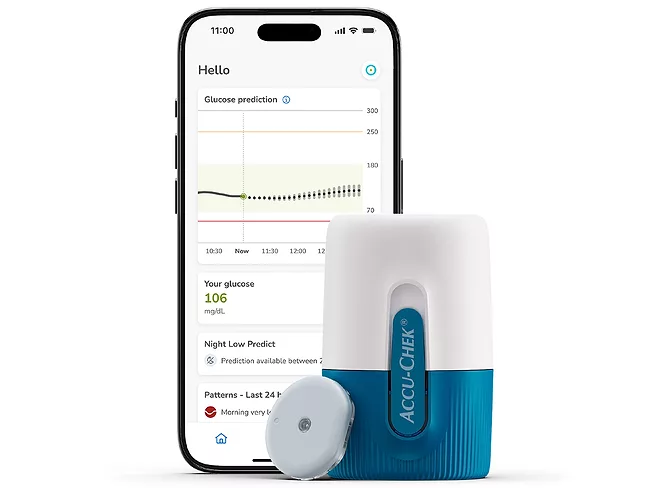
Roche Holdings AG received CE mark approval for the integration of its AI-enabled continuous glucose monitoring system, Accu-Chek Smartguide, with the Mysugr diabetes management app. The integrated solution, which combines predictive CGM technology with therapy data in one place, will simplify the daily decision-making for users managing their diabetes.
 RSS
RSS