Essilorluxottica SA received U.S. FDA clearance for its over-the-counter Nuance Audio Glasses, which combines sight and sound technologies, to help people improve their vision and hearing. The device also received a CE mark certification under the Medical Devices Regulation from the EU authorities.
The EU’s Medical Device Coordination Group issued a guidance on the types of products that qualify as in vitro diagnostics (IVDs), including some important distinctions even in instances in which a given analyte is the subject of two tests.
Harmonized regulations for laboratory-developed tests (LDTs) across Asia Pacific are sorely needed at a time when LDTs continue to play a critical role in addressing unmet needs in the region, according to a recent whitepaper developed by APACMed.
A new guidance by the International Medical Device Regulators Forum for good machine learning practices draws heavily on a 2021 playbook provided by Canada, the U.K. and the U.S., an outcome that also supports the notion that there is no point in reinventing a highly functional regulatory wheel.
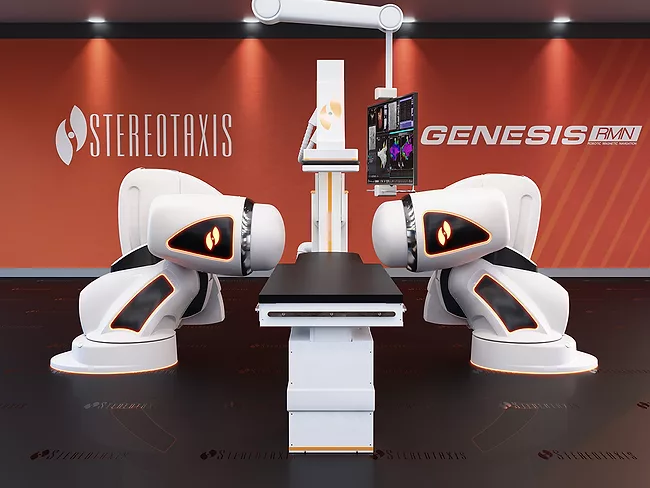
Continuing a cascade of positive news for Stereotaxis Inc., the company reported the first order for its petite Genesisx robot in Europe. The system received CE mark in August, but management held off its launch until its Magic radiofrequency ablation catheter also received CE mark, which happened on Jan. 27. The two devices are used together to treat cardiac arrhythmias.
The EU has moved aggressively on legislation in recent years, with the AI Liability Directive serving as the latest example of legislation that sparked widespread opposition.
Eyebright Medical Technology (Beijing) Co. Ltd. is expanding its position in China’s phakic intraocular lens (IOL) market, gaining the National Medical Products Administration (NMPA) approval of its Loong Crystal PR phakic IOL product for myopia in adults in January 2025.
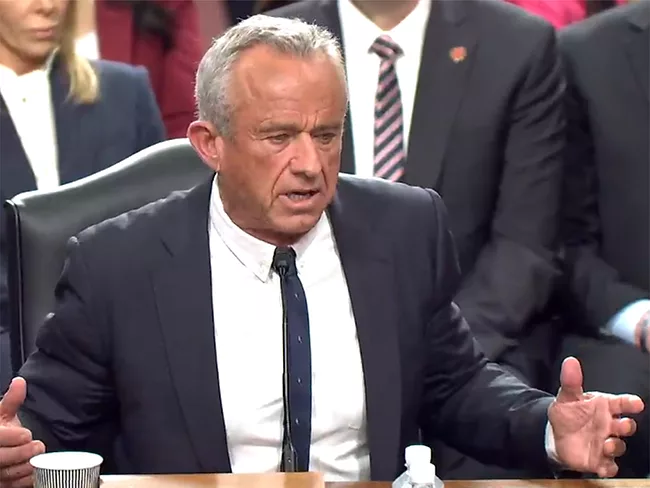
In a U.S. Senate Finance Committee confirmation hearing marked by shouted protests, outbursts of applause and tense exchanges on several issues, including ones beyond the reach of the Department of Health and Human Services (HHS), Robert F. Kennedy Jr. (RFK) tried to present himself as someone who follows the science, not a conspiracy theorist or anti-vaxxer.
While the U.S. Supreme Court sidelined itself over patent issues such as subject matter eligibility, the diagnostic patent wars are still in full swing as a casual review of cases at the U.S. Patent and Trademark Office discloses.
Australia’s Therapeutic Goods Administration posted a draft guidance dealing with non-mandatory audits for premarket applications, which says that a transcatheter aortic valve replacement device that has been approved by the U.S. FDA may not be subject to such an audit.
 RSS
RSS