Daiichi Sankyo Co. Ltd. has received conditional approval from Japan’s Ministry of Health, Labour and Welfare (MHLW) for its oncolytic virus Delytact (teserpaturev) to treat malignant glioma.
Heralded as a potential turning point for U.S. innovation in the 21st century, the U.S. Innovation and Competition Act, S. 1260, is a big step closer to becoming law. The Senate voted 68-32 June 8 to pass the sweeping $250 billion bipartisan bill intended to give the U.S. an edge over China when it comes to innovation and investment in several critical industries.
Remegen Ltd.’s HER2-targeted disitamab vedotin became the first domestic antibody-drug conjugate (ADC) to win marketing approval in China, just three months after the company scored its first NDA approval in China for its lupus drug Tai’ai (telitacicept).
Suzhou Zelgen Biopharmaceuticals Co. Ltd. won approval from China’s NMPA for Zepsun (donafenib tosylate) to treat patients with unresectable hepatocellular carcinoma who have not received systemic treatment.
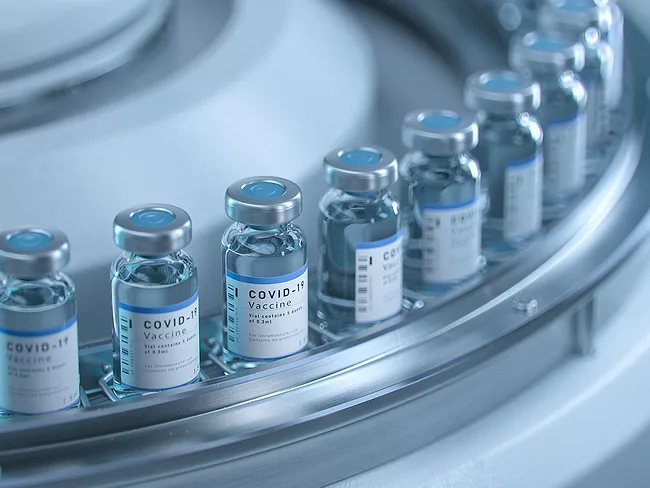
Sinovac Biotech Ltd.'s inactivated COVID-19 vaccine, Coronavac, has been approved by Chinese regulators for emergency use in children aged between 3 and 17, the company’s CEO Yin Weidong told Chinese state media on June 4. Sinovac briefly unveiled phase I/II data in the age group back in April. Chinese state media, China Central Television, said it confirmed the news with an expert from China’s State Council, though an official announcement has yet to be made. Sinovac did not immediately respond to BioWorld’s query to confirm the news.
HONG KONG – In the midst of a COVID-19 crisis, India has waived the need for “well-established” foreign vaccines to undergo local trials. That could open doors for vaccines by Pfizer Inc., Johnson & Johnson and Moderna Inc.
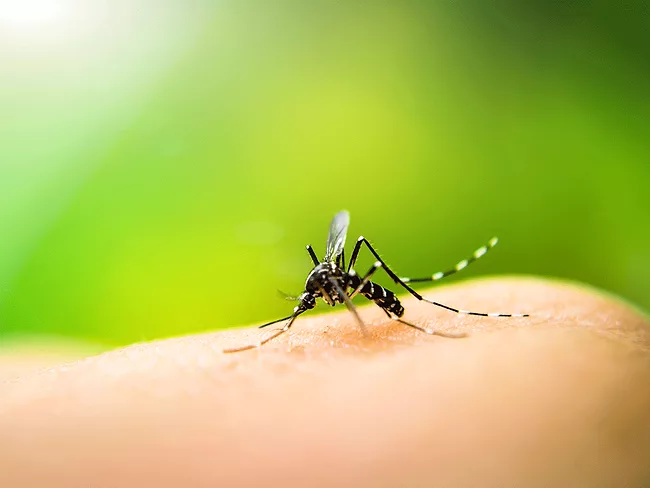
New three-year safety and efficacy data on Takeda Pharmaceutical Co. Ltd.'s dengue vaccine candidate, TAK-003, showed it to be 62% more effective than placebo in preventing virologically confirmed infections with the virus and 83.6% more effective than placebo in preventing hospitalizations caused by the mosquito-borne viral disease and due to any of the four dengue virus serotypes in patients ages 4 to 16.
Song Guo Zheng, a rheumatology professor and researcher at Ohio State University (OSU), was sentenced May 14 to 37 months in prison for lying on U.S. NIH grant applications about his ties to at least five Chinese research institutes.
Beigene Ltd.’s PARP inhibitor, pamiparib, won conditional approval from China’s National Medical Products Administration for treating patients with germline BRCA mutation-associated recurrent advanced ovarian, fallopian tube or primary peritoneal cancer who have been treated with two or more lines of chemotherapy.
The 2021 Special 301 Report recently released by the U.S. Trade Representative is mostly déjà vu for the 32 countries included on the Priority Watch and Watch Lists, as all of them have appeared before on the lists that call out U.S. trading partners for unfair IP practices that disadvantage foreign companies.
 RSS
RSS