The U.S. FDA and CMS are teaming up to give Medicare beneficiaries quicker access to breakthrough medical devices and provide manufacturers with certainty of reimbursement.
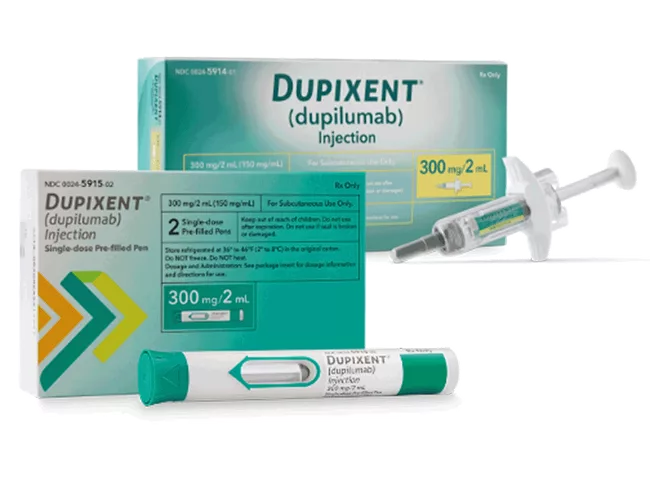
As Sanofi SA gets ready to welcome a new CEO, the company along with partner Regeneron Pharmaceuticals Inc. said a happy hello as well to robust sales of Dupixent (dupilumab, dupi) and gained U.S. FDA clearance for the IL-4 receptor alpha antagonist to treat children, ages 2 to 11, with chronic spontaneous urticaria who remain symptomatic despite histamine-1 antihistamine treatment.
When the U.S. CMS didn’t get takers for its voluntary Better Approaches to Lifestyle and Nutrition for Comprehensive Health (BALANCE) model to cover obesity drugs under Medicare Part D, the agency punted. It announced late April 21 that it will indefinitely delay the BALANCE model in Medicare but extend its temporary Medicare GLP-1 Bridge demonstration model through the end of 2027. (The Medicaid BALANCE model will still kick in this year in states that choose to participate in it.)
Delta-Fly Pharma Inc. is pressing ahead with discussions with the FDA for its lead acute myeloid leukemia (AML) candidate, radgocitabine (DFP-10917), despite a phase III miss on its primary endpoint, instead leaning on earlier-stage efficacy signals and emerging combination data to support a potential path toward conditional approval.
The U.S. FDA has accepted and granted priority review to Daiichi Sankyo Co. Ltd. and Merck & Co. Inc.’s BLA of ifinatamab deruxtecan, a B7-H3-directed antibody-drug conjugate (ADC) to treat patients with advanced extensive-stage small-cell lung cancer.
Xuanzhu Biopharmaceutical Co. Ltd. reported positive data from a local phase III study of dirozalkib (Xuan Fei Ning), an ALK inhibitor approved in China to treat patients with advanced non-small-cell lung cancer.
A pricing standoff between Pfizer Inc. and the Australian government has left women with advanced breast cancer facing tens of thousands of dollars in out-of-pocket costs, underscoring a growing global trend in which access to life-extending drugs is increasingly being shaped by pricing negotiations rather than clinical merit.
Daiichi Sankyo. Co. Ltd. will begin a phased sale of its consumer health subsidiary, Daiichi Sankyo Healthcare Co. Ltd., to Suntory Holdings Ltd., as the Tokyo-based drugmaker sharpens its focus on oncology.
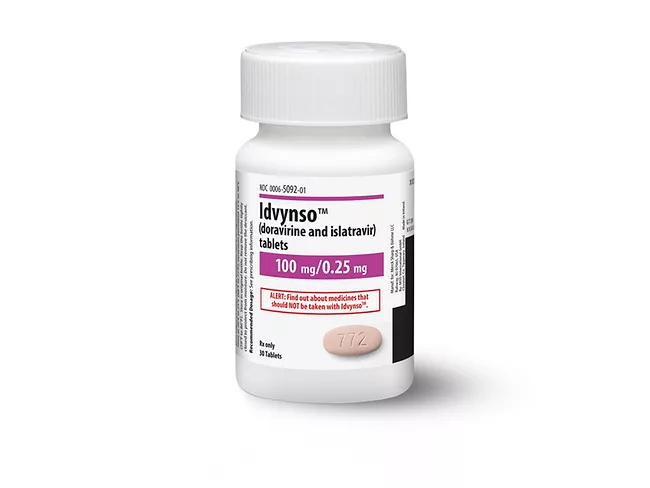
Arriving a week ahead of April 28 PDUFA date, the U.S. FDA approval of Merck & Co. Inc.’s Idvynso (doravirine/islatravir) brings a new treatment option to adults with HIV-1 infection who are virologically suppressed. The approval is for those with no history of virologic treatment failure and no known substitutions associated with resistance to doravirine.
Another biopharma acquisition is at the heart of one of the U.S. SEC’s latest insider trading settlements. This time, the trading centered on Jazz Pharmaceuticals plc’s $935 million purchase of Chimerix Inc. last year.
 RSS
RSS