Crescent Biopharma Inc. has announced regulatory clearances of IND applications for CR-001 (SKB-118), a PD-1 x VEGF bispecific antibody, and CR-003 (SKB-105), an integrin β-6 (ITGB6)-targeted antibody drug-conjugate (ADC), both being developed for the treatment of advanced solid tumors.
Cansino Biologics Inc. has obtained clinical trial approval from China’s National Medical Products Administration (NMPA) for the company’s 24-valent pneumococcal polysaccharide conjugate vaccine (CRM197/tetanus toxoid) (PCV24).
Ascentage Pharma Group International has obtained IND approval from the FDA for its BTK-targeted protein degrader APG-3288. A phase I study will be conducted in patients with relapsed or refractory B-cell malignancies.
Unless the U.S. Supreme Court steps in to reverse the decision, the NIH’s attempt to cap indirect costs at 15% in all its grants is dead. The U.S. Court of Appeals for the First Circuit upheld a permanent injunction Jan. 5 that was issued by a lower court, vacating an NIH supplemental guidance imposing the across-the-board cap both retroactively and prospectively.
South Korea’s National Assembly approved the largest budgets for its health ministries in 2026, including the Ministry of Health and Welfare, Ministry of Food and Drug Safety and Korea Disease Control and Prevention Agency.
It doesn’t take a meteorologist to predict another stormy year for the biopharma sector, not just in the U.S., but also in Europe. Lurking within those storms, though, could be a few silver linings.
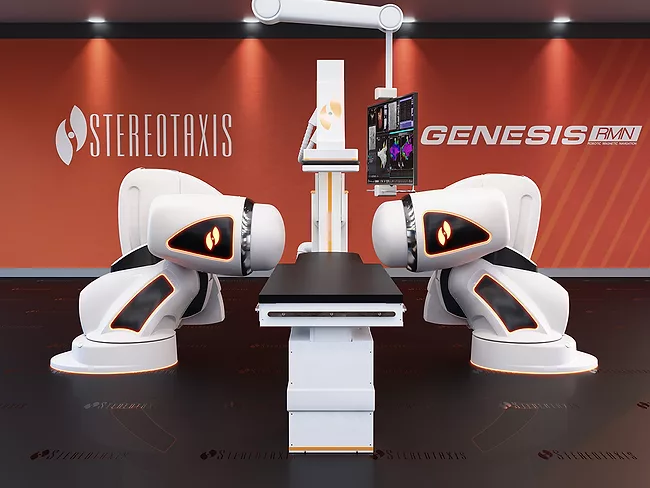
Stereotaxis Inc. secured U.S. FDA approval for its Magic magnetic interventional ablation catheter, marking a key step in the company’s effort to evolve from a niche robotics supplier into a more vertically integrated electrophysiology technology provider. The approval positions Magic as Stereotaxis’ first proprietary robotic ablation catheter in the U.S. and follows a series of regulatory and commercial milestones in recent months that reset the company’s growth narrative.
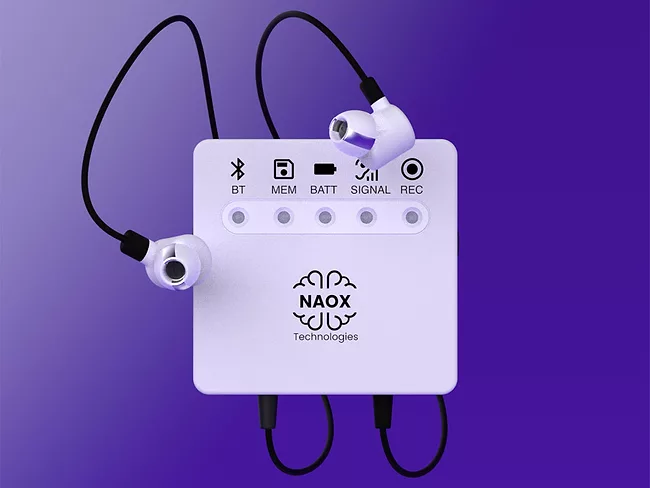
Naox Technologies SAS secured U.S. FDA 510(k) clearance for Naox Link, its in-ear electroencephalography (EEG) device for clinical use both at home and in health care settings. Naox Link is a pair of earbuds the company hopes will transform how the brain activity is monitored, helping diagnose and track a number of conditions affecting the brain.
Software as a service has typically been less susceptible to liability than products, but that may soon come to an end if the AI LEAD Act, sponsored by a bipartisan pair of members of the Senate, gains sufficient traction.
 RSS
RSS