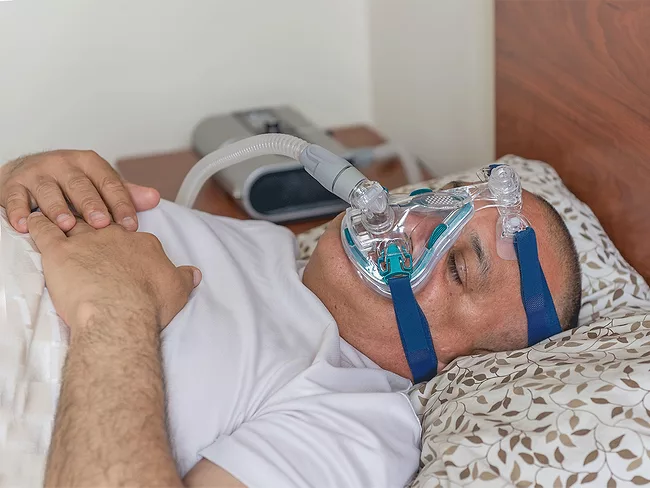
The U.S. Preventive Services Task Force (USPSTF) has decided to consider the merits of screening for obstructive sleep apnea (OSA), a condition thought to contribute significantly to the onset of heart disease. Even though five years have passed since the task force considered the merits of screening for asymptomatic patients, USPSTF indicated that there is still insufficient evidence to support the proposition, citing an evidence gap that if filled could prove tremendously useful to makers of devices that diagnose and treat the condition.
Publicly traded companies in the life sciences face a number of sources of litigation, including lawsuits over alleged securities fraud, and a new report by Dechert LLP highlights a diminishing number of such lawsuits across the U.S. economy. However, the proportion of such lawsuits directed at drug and device makers has not diminished, making clear that companies in the life sciences must tread carefully when disclosing information such as the status of products in development for fear that a perceived misrepresentation could spark expensive and time-consuming litigation.
With the Russian invasion of Ukraine continuing to disrupt thousands of clinical trials throughout the region, the European Commission, the EMA and the Heads of Medicines Agencies are developing advice to help sponsors mitigate the issues.
The company conference call related to Akebia Therapeutics Inc.’s complete response letter (CRL) for vadadustat, an HIF prolyl-hydroxylase inhibitor for anemia caused by chronic kidney disease, brought on the ongoing and perhaps inevitable comparisons with a similar product from Fibrogen Inc., rejected by the agency last August.
Regulatory snapshots, including global drug submissions and approvals, clinical trial approvals and other regulatory decisions and designations: Abionyx, Antengene, ASC, Biogen, Guerbet, Hipra, Nurix, Realta, Receptor, Taiho, Viiv.
Opinion on Wall Street said the matter could have gone either way, but in the end Akebia Therapeutics Inc.’s vadadustat, a HIF prolyl-hydroxylase inhibitor for anemia caused by chronic kidney disease (CKD), garnered a complete response letter (CRL) instead of approval from the FDA. The news slammed Akebia shares (NASDAQ:AKBA), which closed at 82 cents, down $1.61, or 66%. Specifically, the agency said that the data in the NDA do not support a favorable benefit-risk assessment of vadadustat in dialysis-dependent (DD) and non-DDs patients.
Negotiations between the U.S. FDA and industry over device user fees were a protracted struggle, but the agency was demonstrably loathe to post the minutes from meetings between the agency and industry representatives. Jeff Shuren, director of the FDA’s device center, said in a congressional hearing that those minutes were not posted because of a need to wrap up the negotiations rather than allow outsiders – including members of Congress – to see how difficult the negotiations had become.
 RSS
RSS