Regeneron Pharmaceuticals Inc. suffered an unsurprising hitch in the form of a complete response letter (CRL) related to linvoseltamab, a bispecific antibody designed to bridge B-cell maturation antigen on multiple myeloma cells containing CD3-expressing T cells, for relapsed/refractory multiple myeloma.
The U.S. FDA approved Janssen Biotech Inc.’s Rybrevant (amivantamab-vmjw) plus a new oral tyrosine kinase inhibitor called Lazcluze (lazertinib) as a first-line combination treatment to treat select non-small-cell lung cancers.
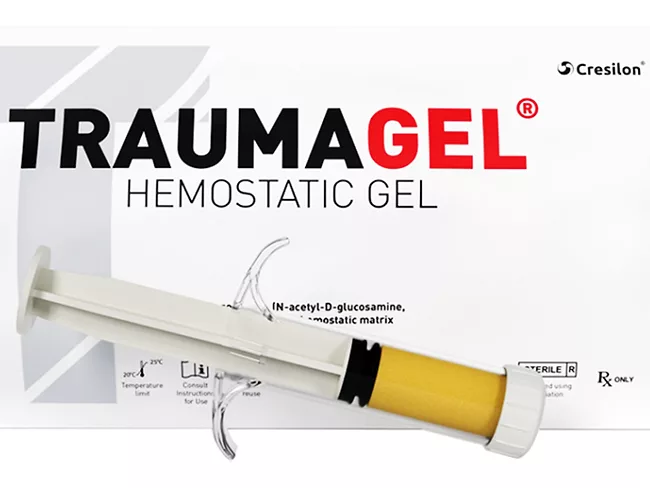
Cresilon Inc. secured U.S. FDA clearance for Traumagel, a hydrogel that stops potentially life-threatening bleeding in seconds. Cresilon designed the product for use by the U.S. military, first responders and medical professionals to swiftly and effectively stop bleeding from traumatic wounds
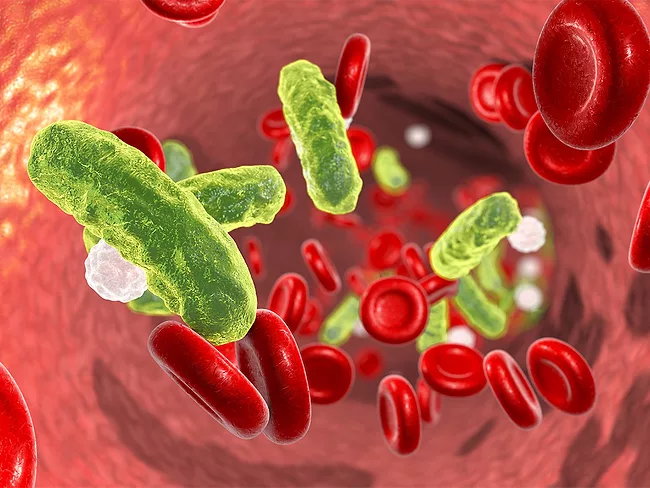
Algodx AB received U.S. FDA 510(k) clearance for its sepsis detection software Navoy CDS. The technology, which analyzes patient data, has the potential to improve patient outcomes as it enables clinicians to detect and treat sepsis earlier.
The U.K. Medicines and Health Care Products Regulatory Agency enacted its AI Airlock program for artificial intelligence – the agency’s branding for its regulatory sandbox for this type of medical software.
The U.S. FDA’s effort to regulate lab-developed tests was predictably controversial, but the final rule drew a second lawsuit, this time from the Association for Molecular Pathology.
While the Biden administration continues applauding the savings it claims will be delivered by the first round of Medicare negotiations, many U.S. patients and their families are worried about the cost of the biopharma price-setting program – a cost they measure not in dollars and cents, but in worsening illness and lives that may be lost to a downturn in innovation and an upturn in barriers to access.
The U.S. FDA approved 17 drugs in July, down from 28 in June, which marked the third-highest month in BioWorld’s records. On average, the FDA approved approximately nearly 19 drugs per month so far in 2024, compared to 16 per month in 2023, 12.5 per month in 2022, and 17 per month in both 2021 and 2020.
China’s National Medical Products Administration cleared Ascentage Pharma Group Corp. Ltd. to begin a registrational phase III trial of its BCL-2 selective inhibitor lisaftoclax (APG-2575) in combination with azacitidine for first-line treatment of newly diagnosed patients with higher-risk myelodysplastic syndrome.
Pfizer Inc. is calling on the Australian government to establish priorities for the life sciences sector to attract more investment into research, clinical trials and manufacturing in Australia. The new report recommends that the government issue a life sciences vision akin to the one issued by the U.K. in 2021 to make the country more competitive to attract investment.

 RSS
RSS