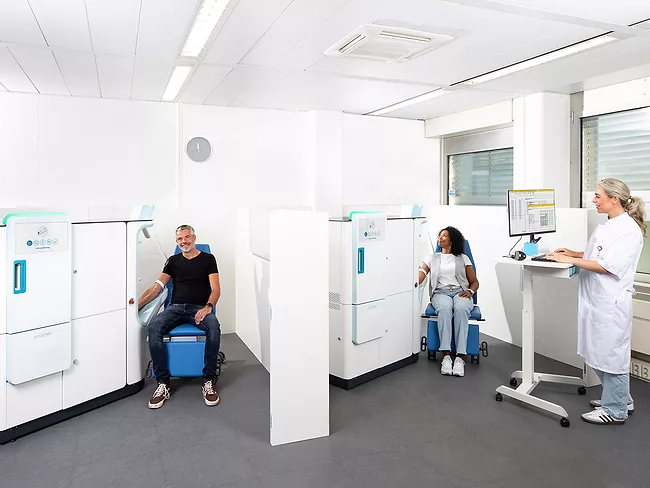
Vitestro Holding BV received CE marking for its automated blood drawing device which uses artificial intelligence, ultrasound-guided imaging and robotics to ensure accurate and secure blood collection. The device is the first of its kind to achieve CE mark and the company believes it will be transformational for health care.
While product liability litigation in the U.S. for medical devices is a matter of state law, a legal theory from 1965 seemed to hint at a uniform national standard on strict liability for medical devices.
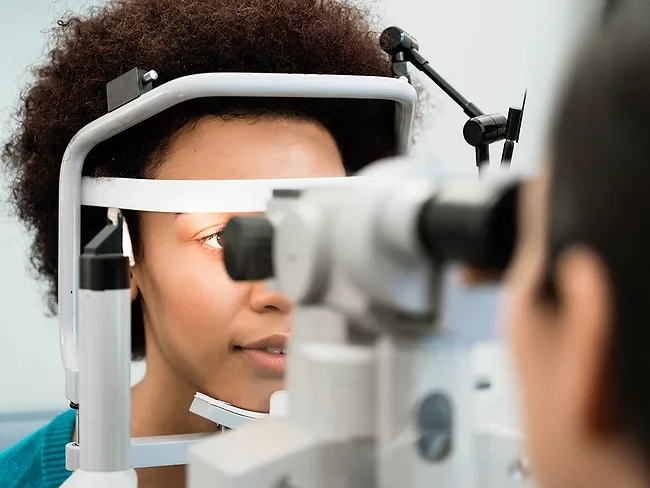
Find Therapeutics Inc. has obtained FDA clearance of its IND application for FTX-101, a first-in-class remyelinating agent that aims to restore vision in people with chronic optic neuropathy.
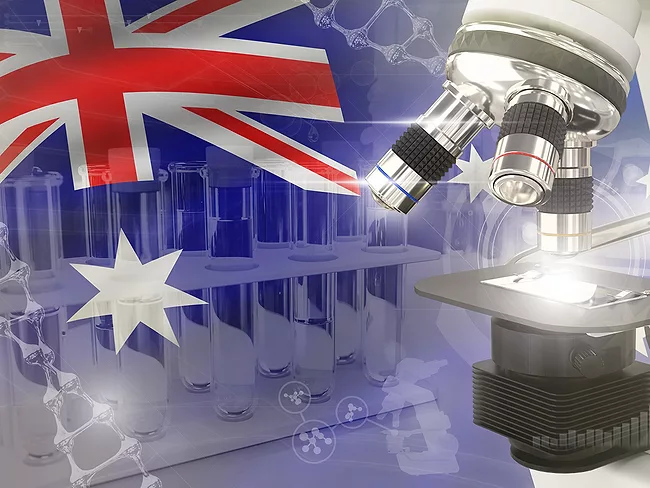
Pfizer Inc. is calling on the Australian government to establish priorities for the life sciences sector to attract more investment into research, clinical trials and manufacturing in Australia. The new report recommends that the government issue a life sciences vision akin to the one issued by the U.K. in 2021 to make the country more competitive to attract investment.
Drug and device sponsors conducting clinical trials in China to support U.S. FDA approval may want to reconsider their choice of trial sites, as trials conducted at hospitals and clinics affiliated with China’s military or in the Xinjiang Uyghur Autonomous Region could be in for increased scrutiny.
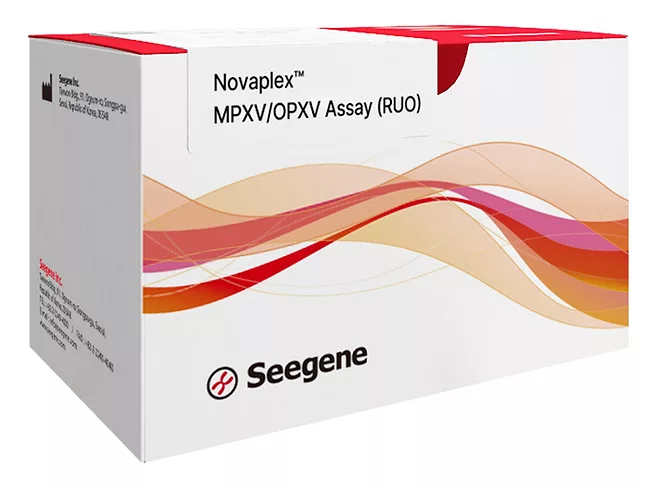
Shares of Chinese and South Korean med-tech companies continued to rise after the World Health Organization declared mpox a public health emergency of international concern Aug. 14 after recent outbreaks.
The clearance by the U.S. FDA of Healthccsng V2.0, an artificial intelligence cardiac solution developed by Nano-x Imaging Ltd.’s (Nanox) subsidiary, Nanox.AI, is highly “significant” for the company and will offer “substantial” benefits to cardiology departments by significantly enhancing the detection of coronary artery calcification, Erez Meltzer, Nanox CEO told BioWorld.
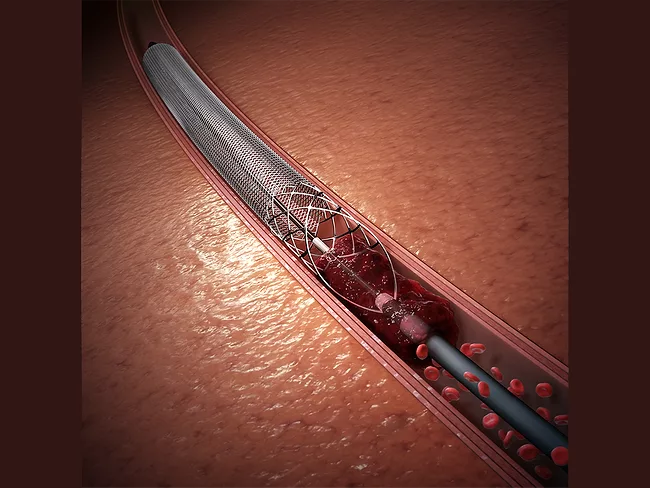
The U.S. FDA recently announced that Inari Medical Inc. issued a recall that corrects the instructions for use for roughly 2,500 units of the Clottriever XL catheter due to reports of device entrapment in the lung.
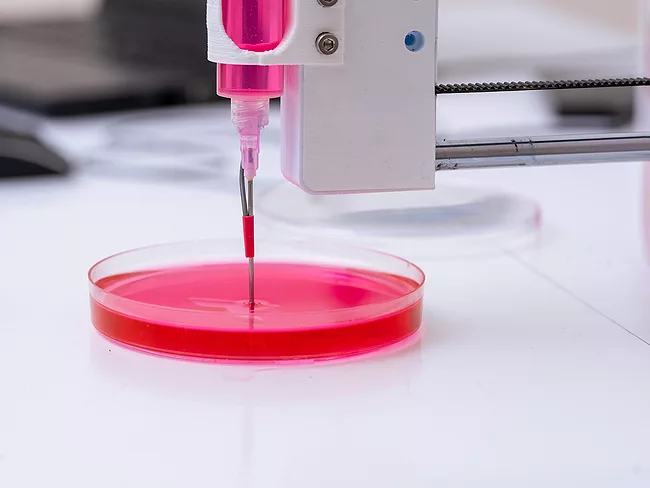
Additive manufacturing at the point-of-care (POC) might seem to open the world of medical device litigation to new theories of liability, but that isn’t likely in part because hospitals are wary of assuming the elevated legal risk associated with taking ownership of POC manufacturing activities.
Insulet Corp.’s Omnipod 5 automated insulin delivery system has been cleared by the US FDA for the indication of type 2 diabetes, making it the first automated insulin delivery system cleared for both type 1 and type 2 diabetes management.
 RSS
RSS