The K-health MIRAE Initiative, also known as Korean ARPA-H, announced plans to allocate about ₩162 billion (US$110 million) in nine new projects over the next five years, with a focus on strengthening national health security.
Eli Lilly and Co. will invest $500 million to support South Korea’s biopharmaceutical industry over the next five years, following high-level talks March 9 between Prime Minister Kim Min-seok and Lilly Executive Vice President Patrik Jonsson.
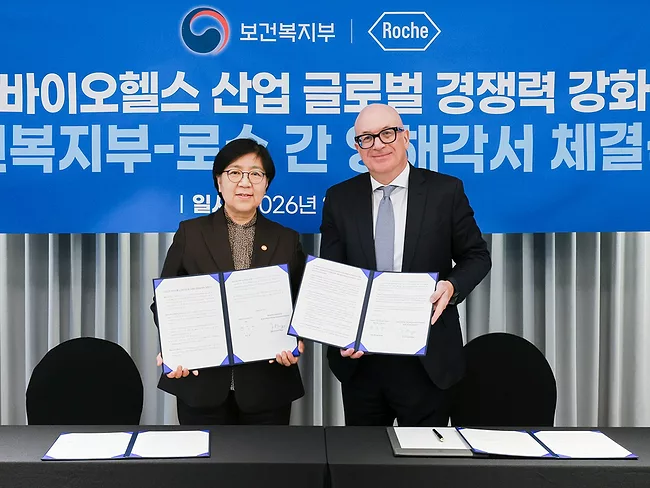
Roche Holding AG pledged to invest ₩710 billion (US$484.6 million) in South Korea over the next five years, positioning the country as a major global hub for clinical trials. The near $500 million agreement inked with the Korean government will bring Roche’s clinical trials for common or incurable diseases and innovative biopharmaceutical products to the country.
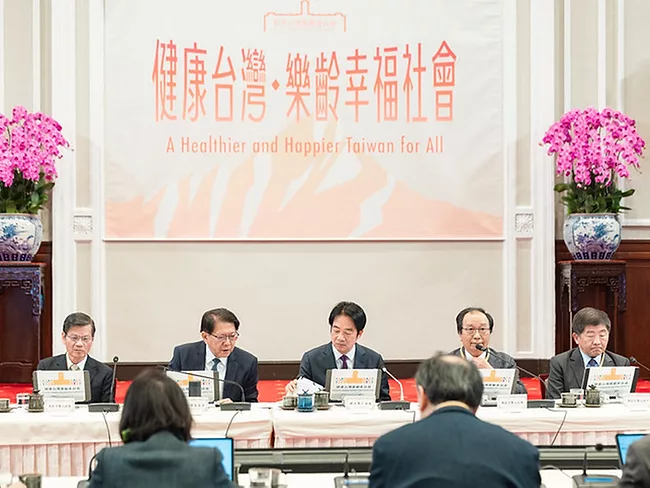
Taiwan plans to invest NT$24 billion (US$752 million) over four years to bolster national biosecurity, expand domestic pharmaceutical production and safeguard against global supply chain volatility.
In releasing its latest revision of a draft guidance on biosimilars and interchangeable biosimilars, the U.S. FDA took another step in streamlining the development of the follow-ons by easing unnecessary clinical pharmacokinetic testing involving comparator biologics approved outside the U.S.
Fast on the heels of the U.S. FDA’s go-ahead regarding the expanded use of Wellcovorin (leucovorin) tablets for cerebral folate deficiency in adult and pediatric patients with a confirmed variant in the folate receptor 1 gene – some of whom bear “autistic features” as part of their condition – the American Academy of Pediatrics advised against giving the drug to children with autism spectrum disorder.
Vertex Pharmaceuticals Inc. is on track to complete a BLA by the end of March seeking potential U.S. accelerated approval for povetacicept, its dual inhibitor of the BAFF and APRIL cytokines, to treat immunoglobulin A nephropathy (IgAN), following a successful phase III Rainier trial.
The U.S. FDA released an early alert March 10 regarding the rupturing or bursting of certain Erbe USA Cryoprobes when they’re activated. Meanwhile, the company is voluntarily recalling the affected Erbe Flexible Cryoprobes, which use extreme cold and cryoadhesion for procedures such as the removal of blood clots, necrotic tissue, and tissue tumors and biopsies.
Patrick Cassells, of Fulshear, Texas, was sentenced March 6 to more than seven years in prison and ordered to pay more than $25 million in restitution and forfeiture after he pleaded guilty nearly two years ago to one count of health care fraud that involved the three durable medical equipment companies he owned and operated.
Eli Lilly and Co. will invest $500 million to support South Korea’s biopharmaceutical industry over the next five years, following high-level talks March 9 between Prime Minister Kim Min-seok and Lilly Executive Vice President Patrik Jonsson.
 RSS
RSS