The EU finally reached agreement on an update of the 20-year-old pharmaceutical legislation, more than five years after the EU Commission first put forward the case for reform and following two and a half years of negotiations on the new rules.
Sanofi SA reported more hitches in the development of Bruton’s tyrosine kinase inhibitor tolebrutinib, saying the phase III Perseus study failed to meet its primary endpoint in primary progressive multiple sclerosis (MS) and that the ongoing U.S. regulatory review in non-relapsing secondary progressive MS likely will extend beyond the targeted PDUFA date of Dec. 28.
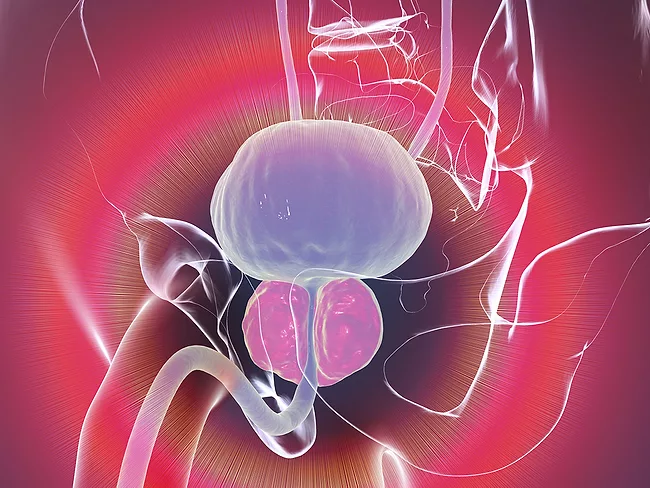
The U.S. FDA recently cleared two new medical devices to treat benign prostatic hyperplasia, offering men with enlarged prostates additional treatment options which are minimally invasive. The approvals include Proverum Medical Ltd.’s Provee System and Zenflow Inc.’s Zenflow Spring Implant and Delivery System, both are first-line interventional therapeutic options which offer relief to the millions of men living with the condition.
Two new therapies are now FDA approved to treat the sexually transmitted infection gonorrhea, with Innoviva Inc.’s Nuzolvence (zoliflodacin) and GSK plc’s Blujepa (gepotidacin) offering additional antibiotic options comparable to standard of care. Both products had fast track, qualified infectious disease product and priority review designations.
The EMA’s Committee for Medicinal Products for Human Use (CHMP) is joining the U.S. FDA and the U.K. Medicines and Healthcare products Regulatory Agency (MHRA) in approving Anktiva (nogapendekin alfa inbakicept-pmin) in patients with non-muscle invasive bladder cancer (NMIBC) who have not responded to immune stimulation treatment with Bacillus Calmette-Guérin (BCG) vaccine and would otherwise require surgical removal of the bladder.
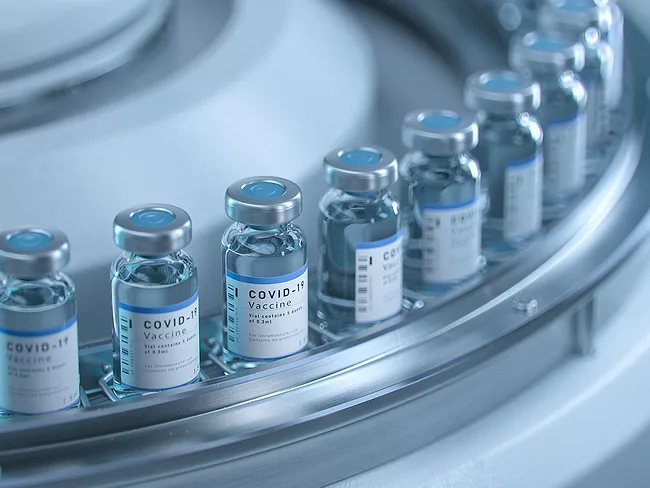
Restricting the recommended use of COVID-19 vaccines in the U.S. wasn’t enough. Now the Children’s Health Defense (CHD) is trying to get the FDA to revoke the BLAs for all versions of the Moderna Inc. and Pfizer Inc.-Biontech SE COVID-19 vaccines.
The U.S. FTC is taking a bow after Teva Pharmaceutical Industries Ltd. asked the FDA to remove more than 200 patent listings from the agency’s Orange Book.
China unveiled its first Commercial Health Insurance Innovative Drug List (CIIDL), reimbursing 19 high-value innovative drugs, including all five domestically developed CAR T therapies as well as treatments for rare diseases and Alzheimer's disease.
Flow Neuroscience AB received U.S. FDA 510(k) approval for its Flow at-home brain-stimulation device to treat major depressive disorder. The wearable headset uses mild electrical current to stimulate specific areas of the brain to reduce depressive symptoms in as little as three weeks.
The U.K. government has announced it will cut the rebate pharma companies have to pay on net sales of new drugs, reducing the rate from the record of 22.5% in 2025 to 14.5% for 2026. That is less than the 15% cap agreed earlier this month as part of a U.K./U.S. economic prosperity deal, which placed a requirement on the U.K. to improve the operating environment for pharmaceutical companies.
 RSS
RSS