Regulatory snapshots, including global drug submissions and approvals, clinical trial approvals and other regulatory decisions and designations: AB Science, Ascentage, Cantargia, Incyte, Innovent, Lion, Novavax, Psybio, Serum, Wake.
As expected, Mirum Pharmaceuticals Inc. won FDA clearance for Livmarli (maralixibat), a minimally absorbed ileal bile acid transporter inhibitor, for cholestatic pruritus in patients with the rare liver disease Alagille syndrome, 1 year of age and older.
The FDA unveiled a draft guidance addressing the responsibilities of clinical investigators for safety reporting for investigational drugs and devices, a novel attempt to combine the disparate adverse event reporting timelines for investigational drugs and devices.
The EU’s Medical Device Regulation is now in full implementation mode, but the In Vitro Diagnostic Regulation (IVDR) won’t kick in until May 2022. Oliver Bisazza, director general of Medtech Europe, said that only six notified bodies are currently certified to review IVDs under the new regulatory framework, a predicament which suggests that many these tests will never again be available to patients.
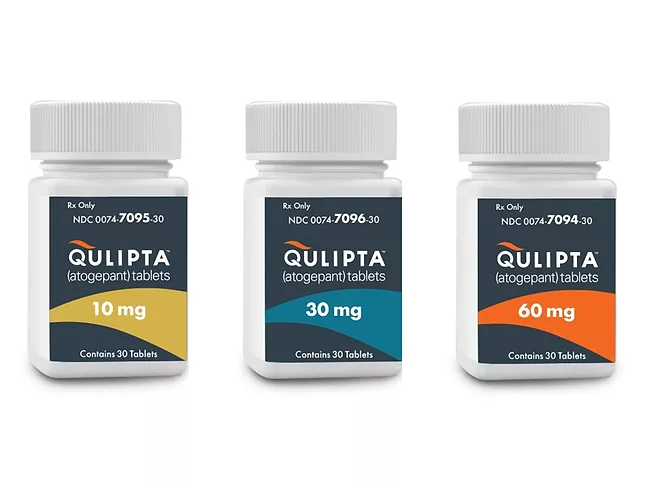
With the FDA approval of Abbvie Inc.’s Qulipta (atogepant) to prevent episodic migraine in adults, the oral calcitonin gene-related peptide (CGRP) receptor antagonist became the first specifically developed for preventing migraine.
Regulatory snapshots, including global submissions and approvals, clinical trial approvals and other regulatory decisions and designations: Caretaker Medical, Wyss Center.
As part of its real-world evidence (RWE) program, the U.S. FDA is issuing a draft guidance on using electronic health records and medical claims data in clinical trials to support a drug’s safety and effectiveness.
Thanks to a drop in the cost of conducting U.S. FDA reviews, it’s getting even cheaper to use a priority review voucher (PRV) to shave four months off the agency’s standard 10-month drug review.
When the White House COVID-19 Response Team announced its booster program in August, it justified the broad use of a third vaccine dose with antibody studies and real-world data from Israel.
Japan’s Ministry of Health, Labour and Welfare approved Takeda Pharmaceutical Co. Ltd.’s Alofisel (darvadstrocel) to treat complex perianal fistulas in patients with non-active or mildly active luminal Crohn’s disease. This marks the first allogeneic stem cell therapy to be greenlighted in the country.

 RSS
RSS