The FDA’s emergency use authorization (EUA) program is still active in the area of tests and test kits, which is due in part by the emergence of the Delta variant of the SARS-CoV-2 virus and the associated warnings that the effectiveness of vaccines may be declining. One example of the sustained emphasis on testing is the EUA granted to Thermo Fisher Scientific Inc. for two PCR test kits that can detect the latest variants of the virus, a demonstration that the demand for these updated tests seems unlikely to ebb anytime soon.
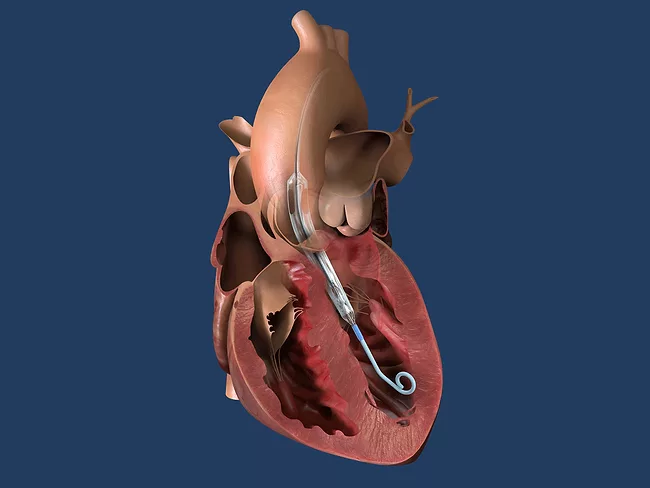
Abiomed Inc. is one of a number of companies whose share prices took a hit in the early days of the COVID-19 pandemic, but the company has since rebounded, thanks in part to the news that the FDA has granted the company a breakthrough device designation for its Impella ECP device. The external counterpulsation (ECP) system may eventually make significant headway in the hemodynamic support space thanks to the small size of the device, a key feature for patients undergoing high-risk percutaneous coronary intervention (PCI) procedures.
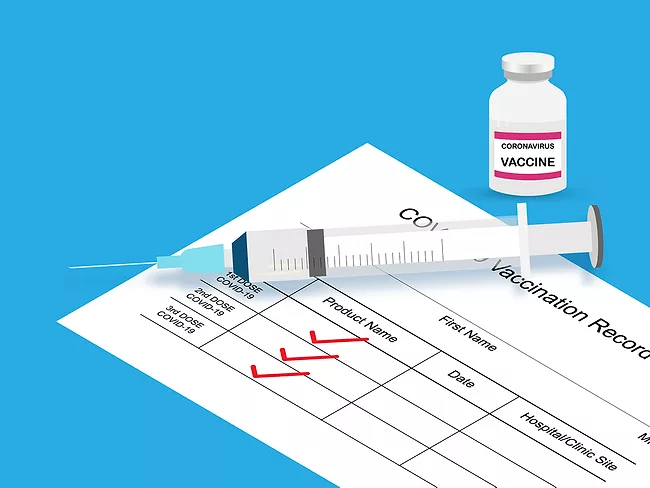
Plans for offering COVID-19 vaccine booster shots in the U.S. took a big step forward Aug. 18, as Health and Human Services (HHS) public health and medical experts laid out their intention to offer booster shots across the country for people 18 and older beginning the week of Sept. 20 and starting eight months after an individual's second dose.
Regulatory snapshots, including global submissions and approvals, clinical trial approvals and other regulatory decisions and designations: Abiomed, Cardionxt, Echonous, Zimmer Biomet.
Voot Yin, co-founder and chief scientific officer of the Bar Harbor, Maine-based Novo Biosciences Inc., reached a settlement with U.S. Health and Human Services’ Office of Research Integrity over allegations that he faked data while conducting government-funded research at the Mount Desert Island Biological Laboratory in Maine.
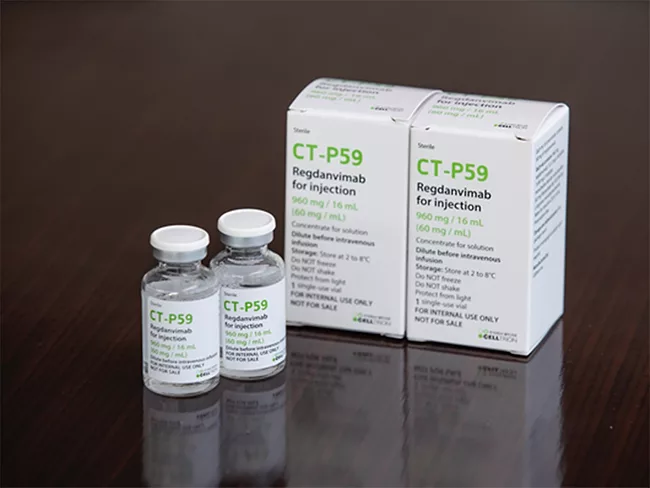
Celltrion Inc. has bagged its first green light outside Asia for its COVID-19 monoclonal antibody Regkirona (regdanvimab) with an emergency use authorization in Brazil. Brazil’s Anvisa gave the EUA for the drug to treat high-risk adult patients, including those aged 65 or older, with mild and moderate COVID-19 symptoms on Aug. 11. The regulator reached its decision on the drug, also known as CT-P59, via a unanimous vote.
A new rule published by India’s Central Drug Standards Control Organization that would require additional tests, trials or even approvals for drugs after changes in their active substances is likely to have only limited impact on companies and the market, despite evoking memories of a bruising patent dispute eight years ago.
PERTH, Australia – The Treasury Department is seeking feedback from industry stakeholders on its discussion paper on a patent box policy, which was first announced in the May 2021 federal budget.
The increasing use of artificial intelligence (AI) technologies across all stages of drug development is presenting challenges for regulators across the world.
 RSS
RSS