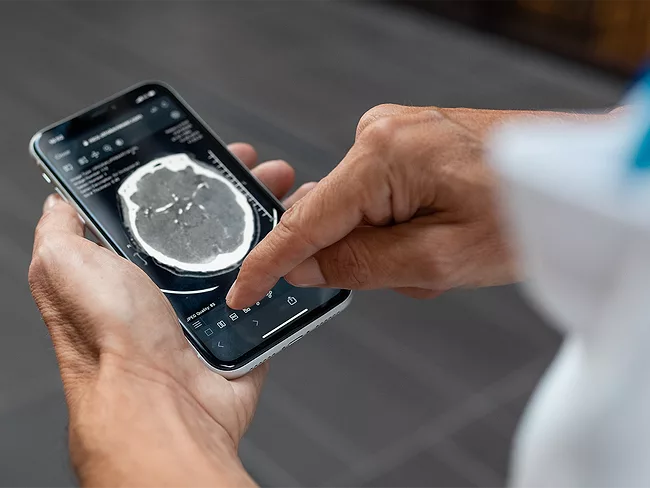
For the 795,000 Americans who suffer a stroke each year, time is brain. The U.S. FDA granted 510(k) clearance to a solution the developer says could cut time-to-treatment in stroke by an hour, preserving 3.6 years of healthy life. Nico.lab’s artificial intelligence-based CT scan analyzer, Strokeviewer LVO, uses an algorithm that enables faster triaging of stroke patients and enables physicians to see the location of occlusions in minutes.
The latest global regulatory news, changes and updates affecting medical devices and technologies, including: New notified body for IVDs brings total to five; U.S. securities compliance not optional for foreign companies; USPTO touts early results of amendment pilot.
Regulatory snapshots, including global submissions and approvals, clinical trial approvals and other regulatory decisions and designations: Abbott, Caretaker Medical, Viveve.
HONG KONG – Takeda Pharmaceutical Co. Ltd. received approval from Japan’s Ministry of Health, Labor and Welfare (MHLW) for an additional indication for its tyrosine kinase inhibitor, Cabometyx (cabozantinib), clearing the firm to manufacture and market 20-mg and 60-mg tablets for patients with unresectable hepatocellular carcinoma that has progressed after prior systemic therapy.
The latest global regulatory news, changes and updates affecting biopharma, including: DEA gets on board with partial Rx fills; USPTO touts early results of amendment pilot; FDA posts combo product feedback final guidance.
Regulatory snapshots, including global drug submissions and approvals, clinical trial approvals and other regulatory decisions and designations: Agenus, Antengene, Emmaus, Engene, Eyenovia, Genmab, Janssen, Neurogene, Ose, Realta, Rezolute.
PERTH, Australia – Australia’s Therapeutic Good Administration (TGA) has unveiled its final regulatory requirements for personalized medical devices, including 3D-printed devices, that go into effect on Feb. 25, 2021. Under the previous framework, custom-made medical devices were exempt from the requirement to be included in the Australian Register of Therapeutic Goods (ARTG).
CAJICA, Colombia – Chembio Diagnostic Systems Inc., a point-of-care diagnostic company focused on infectious diseases, received the approval from Anvisa, the Brazilian health care surveillance agency, to distribute its tests in the Latin American market. The approval adds yet another test to the hundreds already approved in Brazil, where the market for such tests is quickly getting crowded sending prices down. Brazil is one of the countries most affected by COVID-19 with almost 6 million cases and 166,000 deaths, the third highest number of cases in the world.
Recent advances in biomarkers and imaging capabilities have improved the diagnosis of Alzheimer’s disease (AD). Fujirebio Diagnostics Inc. aims to further expand the arsenal of AD diagnostics with its Lumipulse G β-Amyloid Ratio (1-42/1-40) in vitro diagnostic test. On Wednesday, the company said it had filed a 510(k) submission with the U.S. FDA for premarket clearance of the Lumipulse G β-Amyloid IVD.
 RSS
RSS