For once, the EMA appears to have pipped the U.S. FDA to the post, with Pfizer Inc.’s hemophilia A and B therapy Hympavzi (marstacimab) recommended for approval in Europe on Sept. 20, while the U.S. PDUFA date is set for the fourth quarter of the year.
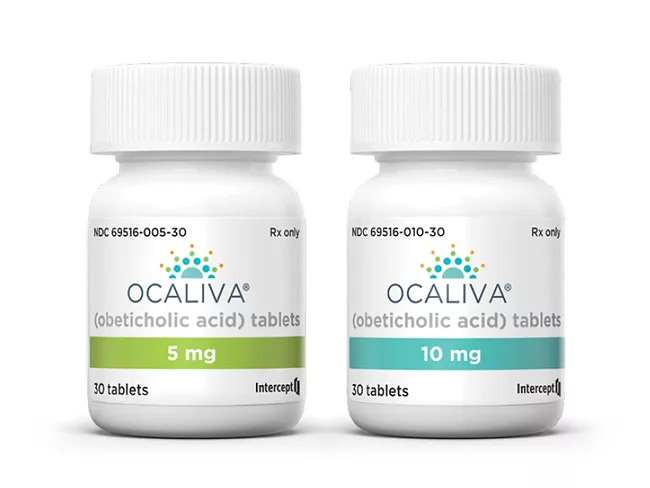
Advanz Pharma Ltd. has won a stay on the withdrawal of its primary biliary cholangitis (PBC) drug, Ocaliva (obeticholic acid), after the European Commission (EC) said on Sept. 3 that the conditional marketing approval should be revoked. Following that, London-based Advanz launched a legal challenge, announcing on Sept 5 that the General Court of the EU has temporarily suspended the EC’s decision. As a result, the conditional marketing authorization for Ocaliva remains in place until further notice from the court, and the 7,000 existing patients – and new ones – will still have access to the farnesoid X receptor agonist.
Astellas Pharma Inc.’s claudin (CLDN) 18.2-targeted monoclonal antibody, zolbetuximab, received a positive opinion from the EMA’s Committee for Medicinal Products for Human Use (CHMP) and could be the first CLDN18.2 molecule to be approved in Europe if it receives final approval.
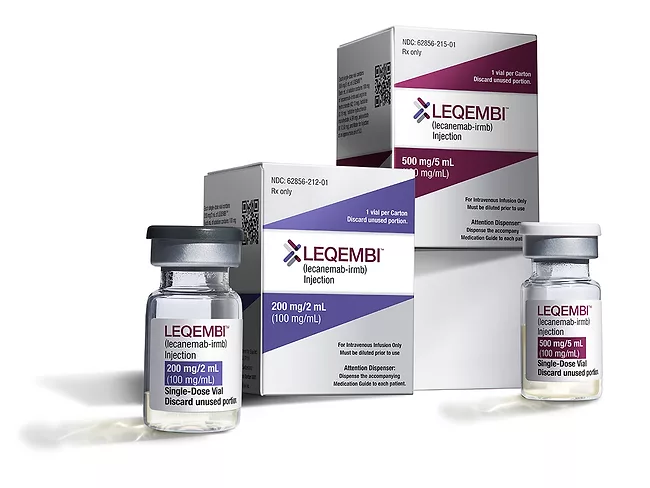
The EMA’s Committee for Medicinal Products for Human Use (CHMP) recommended approval of 14 drugs and the extension of the label of 11 others at its July meeting, but, inevitably, it was the decision to turn down the Alzheimer’s disease therapy Leqembi (lecanemab) that stirred the greatest reaction.
Astellas Pharma Inc.’s claudin (CLDN) 18.2-targeted monoclonal antibody, zolbetuximab, received a positive opinion from the EMA’s Committee for Medicinal Products for Human Use (CHMP) and could be the first CLDN18.2 molecule to be approved in Europe if it receives final approval.
Biogen Inc. and partner Eisai Co. Ltd. said the EMA’s Committee for Medicinal Products for Human Use has adopted a negative opinion on the marketing bid for lecanemab in early Alzheimer’s disease (AD) and mild AD. The humanized anti-soluble aggregated amyloid-beta monoclonal antibody is approved in the U.S., Japan, China, South Korea, Hong Kong and Israel, and is being sold in the U.S., where it’s branded Leqembi, as well as Japan and China. Eisai, of Tokyo, will ask the CHMP to re-examine the matter.
Those affected by primary biliary cholangitis (PBC) are fighting back against the recommendation by the EMA that the marketing authorization for Ocaliva (obeticholic acid), a second-line treatment used by 7,000 patients in Europe, be withdrawn. Earlier today, July 25, patients and their supporters staged a protest outside the European Commission building in Brussels to oppose EMA’s position that Ocaliva’s conditional license should be revoked.
Two drugs were pushed back by the EMA last week, with a recommendation that Ocaliva, currently the only second line standard of care for treating primary biliary cholangitis, be withdrawn from the market, and a refusal to grant conditional approval for masitinib in the treatment of amyotrophic lateral sclerosis.
The EMA has been sent back to the drawing board to re-evaluate PTC Therapeutics Inc.’s Duchenne muscular dystrophy therapy Translarna (ataluren), after failing to get the usual rubber stamp following its recommendation in January that the drug’s conditional approval be withdrawn.
South Korea’s Celltrion Inc. secured May 22 the European Commission’s go-ahead for Omlyclo (CT-P39) to be the first biosimilar to Genentech Inc./Novartis AG’s Xolair (omalizumab) in Europe for three of its major indications.
 RSS
RSS