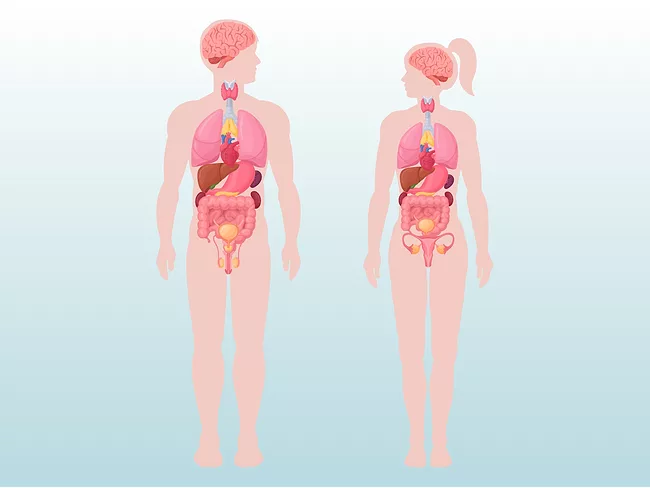
The U.S. FDA posted a draft guidance that would revisit a 2014 final guidance on sex-specific data drawn from medical device clinical trials, expanding the scope to include considerations of gender.
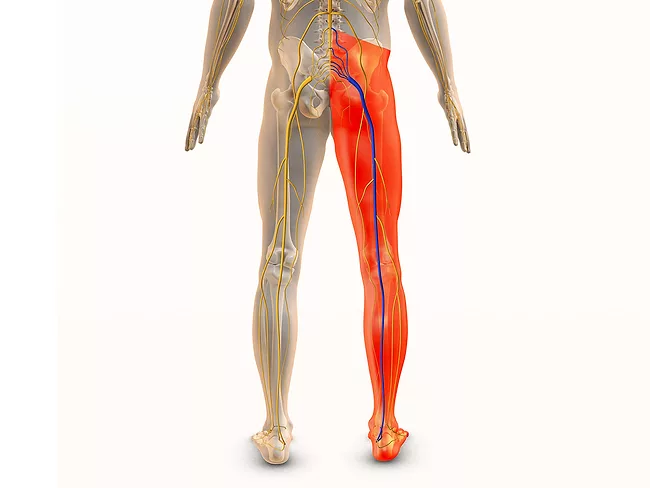
Data from two out of three positive studies faced the U.S. FDA’s Anesthetic and Analgesic Drug Products Advisory Committee as members examined the package submitted by Seikagaku Corp., of Tokyo, for SI-6603 (condoliase), a chemonucleolytic drug for radicular leg pain associated with lumbar disc hernia.
Dyne Therapeutics Inc. is eyeing accelerated approval for its myotonic dystrophy type 1 treatment after reviewing new results from a phase I/II study. DYNE-101, an oligonucleotide antisense and DMPK gene modulator, produced results on disease biomarkers that included DMPK and splicing correction, disease progression reversal on several functional endpoints and a favorable safety profile. The accelerated approval submission could come in the first half of 2026.
The U.S. FDA’s Anesthetic and Analgesic Drug Products Advisory Committee will scrutinize Jan. 10 the safety and efficacy of Ferring Pharmaceuticals Inc.’s SI-6603 (condoliase), a chemonucleolytic drug for radicular leg pain associated with lumbar disc hernia.
It’s taken nearly a decade for the U.S. FDA to go from zero to 60 in approving biosimilars. Currently, 63 biosimilars have been approved in the U.S., thanks to 18 new approvals in 2024 that stretched the number of biologics referenced by biosimilars from 14 to 17. That’s an all-time record, CDER Director Patrizia Cavazzoni said, as she released the drug center’s annual approval report for 2024.
Yuhan Corp., Oscotec Inc. and Genosco Inc. were three companies with Asian ties to reap benefit from Johnson & Johnson’s stellar top-line Mariposa study results, wherein J&J’s Rybrevant (amivantamab-vmjw) and Lazcluze (lazertinib) combo regimen beat out Astrazeneca plc’s standard of care in non-small-cell lung cancer (NSCLC).
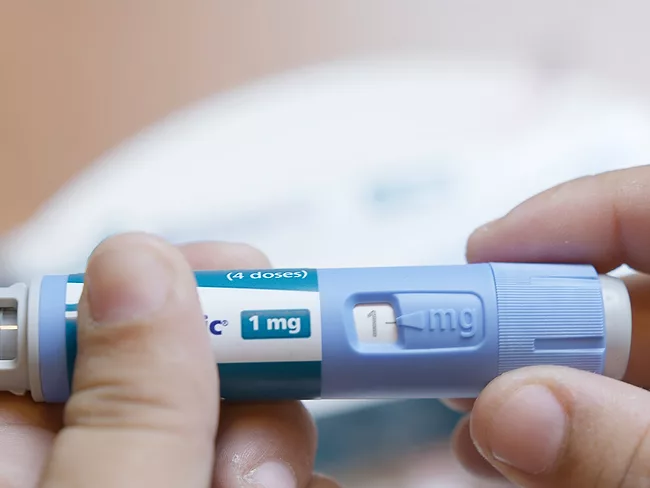
With obesity drugs taking the U.S. and global markets by storm and more than 100 clinical programs currently in progress for the drugs, the U.S. FDA released a draft guidance Jan. 7 to help sponsors develop drugs and biologics for weight reduction and long-term maintenance of body weight.
What does it mean for a confirmatory trial to be “underway”? That’s a question that’s been plaguing some drug sponsors, especially those in the ultra-rare disease space, since the U.S. Congress, in 2023, gave the FDA the authority to require that a confirmatory trial be underway at the time accelerated approval is granted.
Tanvex Biopharma Inc. said its U.S. subsidiary, Tanvex Biopharma U.S.A. Inc., received an FDA complete response letter (CRL) on Jan. 3 for its TX-05 BLA, a biosimilar that references Roche AG’s Herceptin (trastuzumab). The CRL cites unnamed issues that need to be addressed by the downstream manufacturer of TX-05, which is a third-party service provider of Tanvex U.S. for its drug product.
With artificial intelligence (AI) becoming more and more common in drug development since 2016, the U.S. FDA is now issuing its first draft guidance on that use. The “FDA recognizes the increased use of AI throughout the drug product life cycle and across a range of therapeutic areas. In fact, CDER has seen a significant increase in the number of drug application submissions using AI components over the past few years,” a CDER spokesperson told BioWorld. “These submissions traverse the drug product life cycle, which includes nonclinical, clinical, postmarketing and manufacturing phases.”
 RSS
RSS