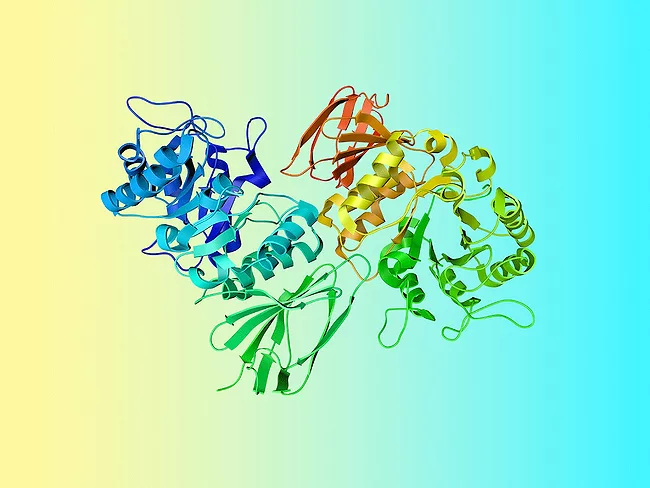
On the heels of the marketing OK in Europe, Protalix Biotherapeutics Inc. and the Chiesi Group’s global rare diseases unit scored approval of Elfabrio (pegunigalsidase alfa-iwxj) from the U.S. FDA for adults with Fabry disease.
Even though COVID-19 is transitioning from pandemic to endemic across the world, it will remain first in mind as U.S. lawmakers look to reauthorize the Pandemic and All-Hazards Preparedness Act (PAHPA) this year to ensure the country is better prepared for future threats. With a Sept. 30 deadline for reauthorizing PAHPA, the Senate Health, Education, Labor and Pensions (HELP) Committee has its work cut out for it. But it won’t be starting from scratch. In opening a May 4 hearing on the reauthorization, HELP Chair Bernie Sanders (I-Vt.) said the committee would build on the efforts started last year under then-Chair Patty Murray (D-Wash.) and now-retired Ranking Member Richard Burr (R-N.C.).
In a draft guidance released May 2, the U.S. FDA provided recommendations for sponsors, investigators and other stakeholders for implementation of decentralized clinical trials to advance research in medical devices, drugs and biologics.
With the COVID-19 public health emergency ending in the U.S. next week, Congress is looking to use the lessons learned from the pandemic to draft a new iteration of the Pandemic and All-Hazards Preparedness Act to ensure the country is better prepared for the next pandemic.
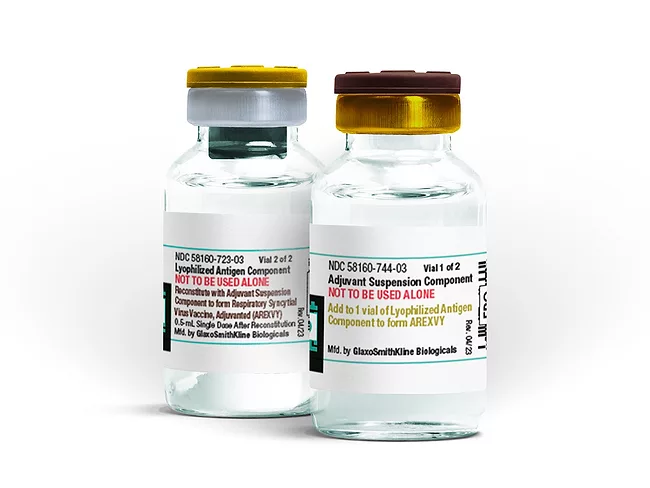
The U.S. FDA has approved the country’s first-ever respiratory syncytial virus (RSV) vaccine, Arexvy, from GSK plc. The adjuvanted vaccine is also the first for older adults anywhere on the planet. GSK now has a head start to vaccinate the U.S. market, but other big companies, such as Sanofi SA and especially Pfizer Inc., are in late-stage development and will pose strong challenges in the coming year. Pfizer’s PF-0692831/RSVpreF, an RSV vaccine for treating lower respiratory tract disease caused by RSV, has a priority BLA with a May 31 PDUFA date.
While the U.S. continues to call out other countries for weak enforcement of intellectual property rights, trade secret theft and forced technology transfers in the life sciences sector, some companies in the sector claim similar things are happening in the U.S. In its 2023 Special 301 Report, released April 26, the Office of the U.S. Trade Representative (USTR) noted “the growing need for trading partners to provide effective protection and enforcement of trade secrets.”
It’s not often that getting an NDA rejected by the U.S. FDA is cause for a company’s stock to rise. But in the case of Ascendis Pharma A/S, the agency’s anticipated complete response letter (CRL) for Transcon PTH (palopegteriparatide) offered some much-needed clarity and a potentially optimistic time frame for an NDA resubmission seeking approval of the once-daily hormone replacement therapy for hypoparathyroidism, news that sent the company’s shares (NASDAQ:ASND) up 24%, or $16.78, to close May 1 at $86.74.
The U.S. FDA’s Oncologic Drugs Advisory Committee has recommended by a wide majority that the PARP inhibitor Lynparza (olaparib) in a combination therapy for treating prostate cancer should be restricted to only patients whose tumors have a BRCA mutation.
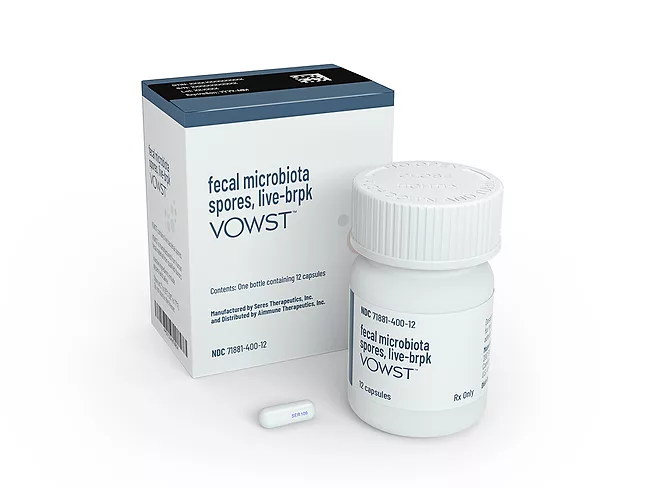
The supply chain for Seres Therapeutics Inc.’s oral microbiome therapeutic Vowst, formerly known as SER-109, to prevent recurrent Clostridium difficile infection (rCDI) is “well-established,” said David Arkowitz, the firm’s chief financial officer and head of business development. “It’s the same supply chain that we used for phase III [trials], and we’ve been manufacturing product for launch for some time.” Arkowitz spoke during a conference call with investors April 27, regarding the previous day’s U.S. FDA go-ahead for Vowst, cleared for adults with rCDI, including first recurrence following antibacterial therapy.
The legislative pile-on continues as the U.S. Congress considers more ways to take down health care costs while defending innovation. The House Energy and Commerce Subcommittee on Health met April 26 to consider 17 draft discussion bills offered as bipartisan solutions to lower costs by increasing transparency and competition across the health care playing field.
 RSS
RSS