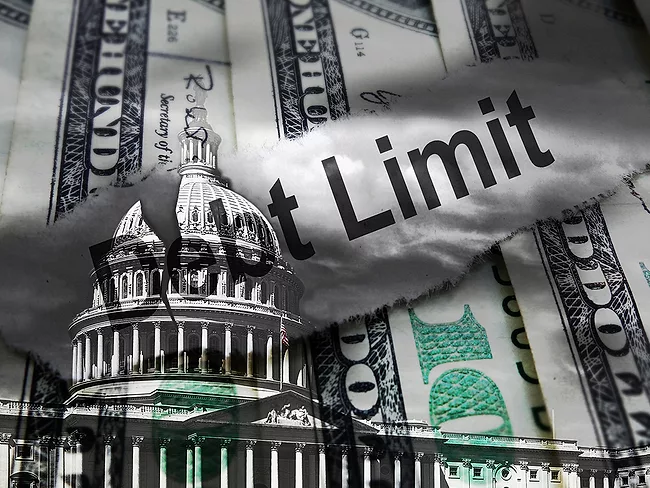
The Fiscal Responsibility Act (FRA) has been signed into law by U.S. President Joseph Biden, heralding a five-year span in which increases in discretionary budget spending will be limited to 1% after a flat funding picture in the coming fiscal year.
Having already notched approvals in the EU and U.K., Astrazeneca plc hopes to prime the pump for a U.S. approval of nirsevimab as a respiratory syncytial virus (RSV) prophylactic for infants when it makes its case June 8 before the FDA’s Antimicrobial Drugs Advisory Committee.
The U.S. House of Representatives has passed an agreement with the Biden administration on the debt ceiling, a deal that does not affect mandatory spending programs such as Medicare. However, the agreement, which still must gain the Senate’s stamp of approval, appears to eliminate any chance of yet more monies for the National Institutes of Health or the FDA, two programs of intense interest for companies in the life sciences.
Becoming the second approved respiratory syncytial virus (RSV) vaccine for the 60 and older crowd, Pfizer Inc.’s Abrysvo (RSVpreF; PF-06928316) received a U.S. FDA nod on May 31 for RSV lower respiratory tract disease. In February, the agency’s Vaccines and Related Biological Products Advisory Committee voted 7-4 that data support both the safety and efficacy of the vaccine. Behind this approval for the senior population is another potential approval, expected in August, for infants via maternal inoculation.
With rising rates of disease and established guidelines for treatment, officials at Lexicon Pharmaceuticals Inc. have “the wind at our backs” as they go about commercializing Inpefa (sotagliflozin) for heart failure (HF), after the drug was cleared late May 26 by the U.S. FDA, said CEO Lonnel Coats. Shares of The Woodlands, Texas-based Lexicon (NASDAQ:LXRX), which had risen significantly after hours on word of the Inpefa go-ahead, closed May 30 at $2.90, down 28 cents. Regulators gave their nod to the inhibitor of renal sodium-glucose co-transporter 2 (SGLT2) and intestinal SGLT1 with a broad label across the full range of left ventricular ejection fraction, including HFpEF and HFrEF, and for patients with or without diabetes.
U.S. FDA approvals had a modest increase during the first four months of 2023 compared to last year, but still fall short of the peaks seen in 2019 and 2021.
Pfizer Inc.’s Paxlovid (nirmatrelvir/ritonavir) became the first oral antiviral to win full U.S. FDA approval for treating COVID-19, cleared for use in adults who are at high risk for progression to severe disease, including hospitalization or death. The nod follows two months after the agency’s Antimicrobial Drugs Advisory Committee voted 16-1 in favor of Paxlovid’s overall benefit-risk assessment.
A week ahead of its May 29 PDUFA date, the U.S. FDA has approved Xacduro (sulbactam for injection; durlobactam for injection) for treating one of the toughest and most deadly infections, carbapenem-resistant Acinetobacter baumannii, in adults.
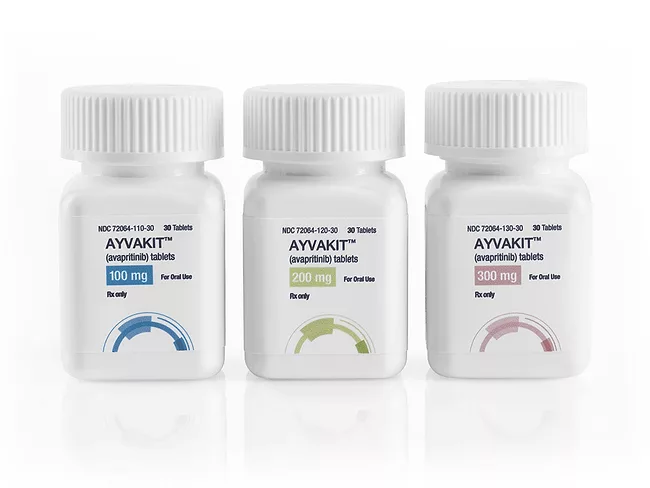
Blueprint Medicines Corp. scored a broader label from the U.S. FDA for Ayvakit (avapritinib), which became the first approved therapy to treat adults with indolent systemic mastocytosis (ISM).
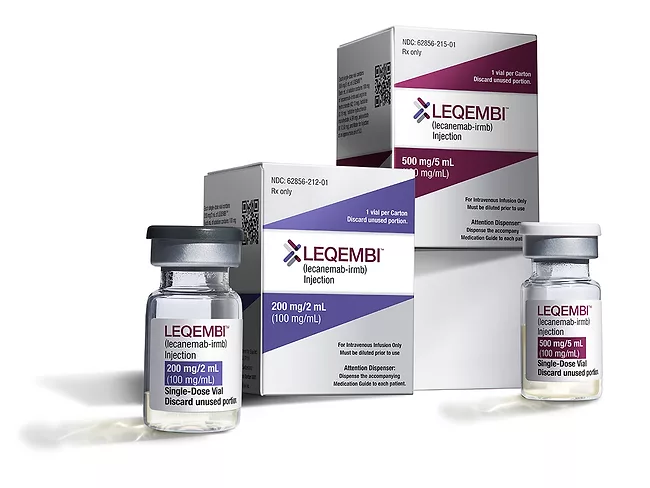
As the clock ticks toward the “full,” or traditional, approval date for Biogen Inc./Eisai Co. Inc.’s Alzheimer’s drug, Leqembi (lecanemab), the U.S. Centers for Medicare & Medicaid Services (CMS) is facing increasing pressure to get the structures in place to ensure Medicare beneficiaries have access to the drug when the approval comes.

 RSS
RSS