Right on schedule the U.S. FDA gave its blessing for Krystal Biotech Inc.’s topical gene therapy, Vyjuvek (beremagene geperpavec, or B-VEC), an orphan drug, to become the first approved treatment for the rare skin condition dystrophic epidermolysis bullosa (DEB).
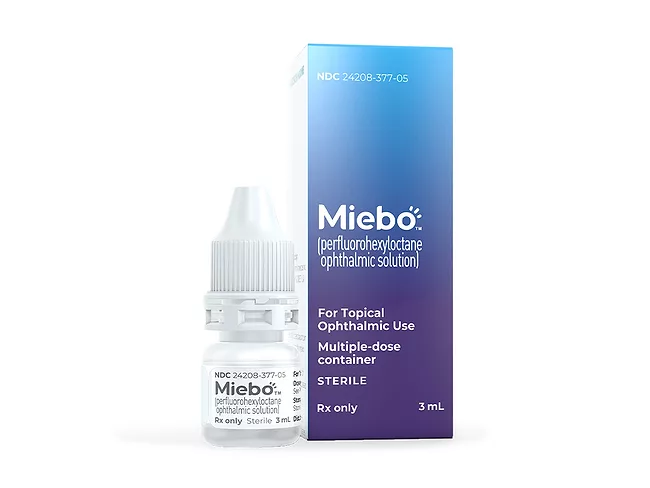
Less than a year after submitting their NDA and several weeks before the June 28 PFUFA date, Bausch + Lomb Corp. and partner Novaliq GmbH have been awarded U.S. FDA approval for Miebo, their perfluorohexyloctane eye drop formulation designed to treat the signs and symptoms of dry eye disease associated with meibomian gland dysfunction.
The U.S. FDA’s release of its briefing document for the upcoming advisory committee meeting on obeticholic acid 25 mg as a fatty liver disease treatment sent Intercept Pharmaceuticals Inc. on a downwards spiral May 17. Soon after the document was released, Intercept stock (NASDAQ:ICPT) dropped as low as $11.41 – down almost 30% from its May 16 close of $16.21. As the day wore on, it regained some of that lost value in heated trading that was more than eight times the company’s average daily volume of 782,285. The rebound helped Intercept close the day at $13.83, down about 15%.
The U.S. FDA has approved a non-hormonal treatment from Astellas Pharma Inc. to reduce the number and severity of hot flashes. Veozah (fezolinetant), an oral, once-daily compound that targets the neurokinin-3 (NK3) receptor, is approved for treating moderate to severe vasomotor symptoms due to menopause. It’s the first NK3 receptor antagonist the FDA has greenlighted for the indication. The approval came on May 12, well before its May 22 PDUFA date. The PDUFA date was originally set for Feb. 22 but the FDA extended it, saying it needed more time to complete the NDA’s priority review. Veozah’s wholesale acquisition cost is $550 for a month’s supply and should be available by early June.
The debate over Sarepta Therapeutics Inc.’s gene transfer therapy, SRP-9001 (delandistrogene moxeparvovec), in Duchenne muscular dystrophy (DMD) proved as thorny as expected during a closely watched meeting of the U.S. FDA’s Cellular, Tissue and Gene Therapies Advisory Committee. Panelists voted on a single question: “Do the overall considerations of benefit and risk, taking into account the existing uncertainties, support accelerated approval of SRP-9001, using as a surrogate endpoint expression of Sarepta’s microdystrophin at week 12 after administration, for the treatment of ambulatory patients with DMD with a confirmed mutation in the DMD gene?” Balloting turned out 8 yes, 6 no.
Despite congressional concerns about accelerated approval, the U.S. FDA’s use of the pathway is not slowing down. If anything, it’s picked up pace since Congress gave the agency stronger authority last year to monitor drugs approved based on a surrogate endpoint and to ensure that confirmatory trials are progressing in a timely way.
The U.S. FDA issued a complete response letter regarding the BLA for Immunitybio Inc.’s bladder cancer treatment, N-803 (Anktiva), halting the drug’s development and slicing the stock value in half. The problems stem from the FDA’s pre-license inspection of Immunitybio’s third-party contract manufacturing organizations, the company said. It said the FDA also had recommendations for specific chemistry, manufacturing and controls issues and assays that needed to be resolved before the BLA can be approved.
On its May 10 PDUFA date, the U.S. FDA approved serotonin-dopamine modulator Rexulti (brexpiprazole) from Otsuka Pharmaceutical Co. Ltd. and H. Lundbeck A/S for agitation in Alzheimer’s dementia, marking the first approved treatment for the indication.
How grave they might be remains unknown, but regulatory questions have surfaced in briefing documents related to the soon-to-happen panel meeting on Sarepta Therapeutics Inc.’s gene transfer therapy delandistrogene moxeparvovec in Duchenne muscular dystrophy (DMD). The U.S. FDA’s Cellular, Tissue and Gene Therapies Advisory Committee will meet May 12 to discuss the compound, also known as SRP-9001.
On the heels of the marketing OK in Europe, Protalix Biotherapeutics Inc. and the Chiesi Group’s global rare diseases unit scored approval of Elfabrio (pegunigalsidase alfa-iwxj) from the U.S. FDA for adults with Fabry disease.

 RSS
RSS