The FDA’s May 4 webinar on patient data generated over the course of the product life cycle covered a number of topics, including the use of social media as a source of real-world evidence (RWE). The FDA’s Anne Hammer said, however, that while social media engagement has exploded over the past couple of decades, issues such as data duplication and verifiability will have to be resolved before patient engagement via social media can be relied upon as a source of RWE for regulatory purposes.
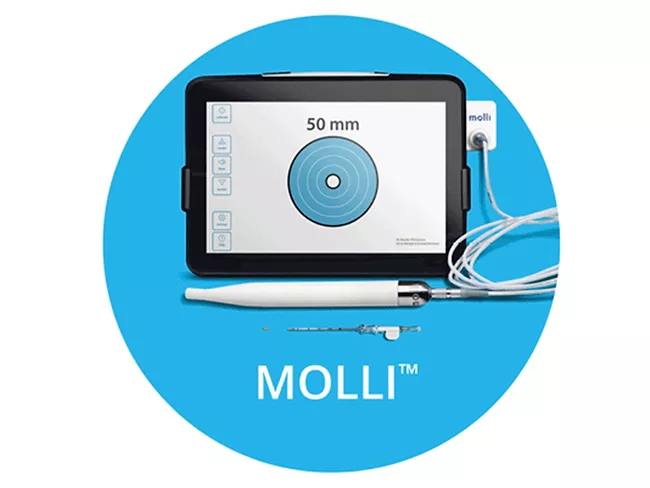
Molli Surgical Inc. has won the FDA’s nod for its wire-free localization technology for breast cancer surgery. The company said the Molli system helps radiologists tag cancerous lesions quickly and precisely, facilitating surgical excision and eliminating a source of anxiety associated with breast tumor removal.
The negotiations for the next device user fee agreement are well underway, and there are signs that the FDA is looking for a significant boost in user fees from device makers. However, Rep. Anna Eshoo (D-Calif.) told members of the MDMA that no member of Congress should believe that user fees relieve Congress of its responsibility “for funding the agency in a robust way.”
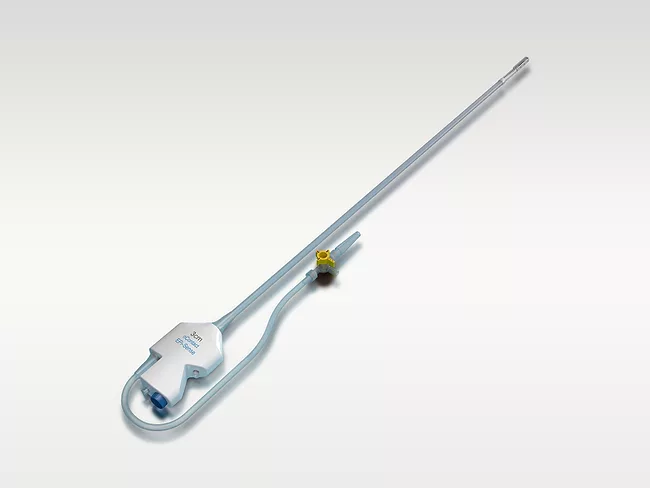
Atricure Inc. has received the green light from the FDA for its Epi-Sense guided coagulation system with Visitrax technology to treat patients diagnosed with long-standing, persistent atrial fibrillation (AF). The device was previously cleared via a 510(k) for the coagulation of cardiac tissue, and is already available in the U.S. The FDA approval represents the first and only minimally invasive ablation therapy for the more than 3 million Americans with longstanding AF.
The FDA has granted breakthrough device designation to Fractyl Laboratories Inc. for Revita DMR, a duodenal mucosal resurfacing treatment for patients with type 2 diabetes. The company recently launched the pivotal REVITA-T2Di clinical trial to evaluate the treatment in this population, in hopes it will offer a new option for people with the metabolic disease.
The FDA’s premarket review mechanisms for class II medical devices may strike some as little more than so much regulatory esoterica, and several courts have ruled that information about the 510(k) process is inadmissible during jury trials due to the possibility of sowing confusion among jurors. An appellate court in New Jersey has ruled that such an exclusion of evidence is prejudicial in a case involving surgical mesh manufactured by two device companies, however, opening a larger debate about the propriety of such exclusions in product liability litigation for medical devices.
The Medical Device Innovation Consortium (MDIC) has been hard at work on the Make CAPA Cool program in an effort to beef up device makers’ corrective and preventive action (CAPA) programs. Kathryn Merrill, regulatory program director for Dublin-based Medtronic plc, said on an April 26 webinar that participants in the program have shaved CAPA times from 381 days to as few as 63 days, an improvement that industry hopes will ward off warning letters and product quality issues.
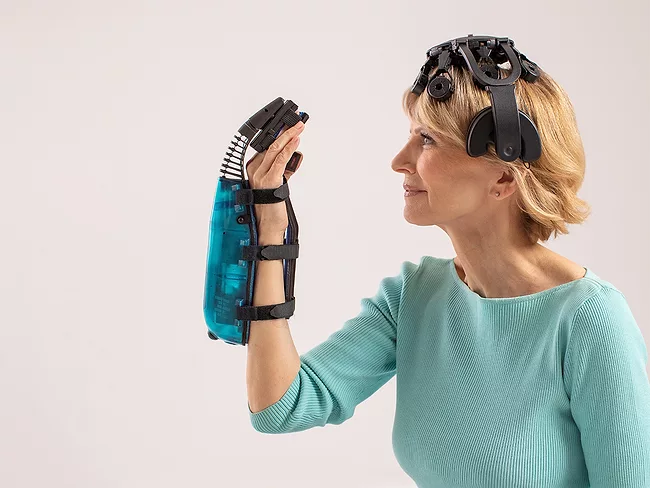
The FDA has granted de novo authorization to Neurolutions Inc. for its Ipsihand upper extremity rehabilitation system. The first-of-its kind device leverages robotics and brain-computer interface (BCI) technology to facilitate muscle training in patients with upper limb weakness or immobility following a stroke.
Depression treatment still isn’t “once and done,” but the time needed to reduce symptoms continues to drop for patients using electromagnetic stimulation. Brainsway Ltd.’s Theta Burst brings treatment times down to just three minutes with its FDA 510(k) clearance.
The FDA has approved Roche AG’s Ventana MMR Rxdx panel for patients with advanced or recurrent endometrial cancer. The companion diagnostic is the first to identify patients who are eligible for treatment with Glaxosmithkline plc’s (GSK’s) Jemperli (dostarlimab-gxly) monotherapy. The PD-1 antibody immunotherapy received FDA approval on Thursday.
 RSS
RSS