Edwards Lifesciences Corp. has won the FDA’s nod for its Acumen hypotension prediction index (HPI) software with the Acumen IQ finger cuff. Prior to receiving this 510(k) clearance, the low blood pressure prediction software was only available for patients using an invasive arterial line. The Acumen HPI software uses data gleaned from the Acumen IQ cuff, along with machine learning, to alert clinicians if a patient is at risk of hypotension, drops in pumping pressure that reduce the flow of oxygenated blood and nutrients to the body’s vital organs.
Acting FDA commissioner Janet Woodcock appeared at the annual forum held by the Medical Device Innovation Consortium (MDIC) and noted that real-world evidence (RWE) has tremendous potential in regulatory decision making. However, she cautioned that while “the future is very bright” for RWE, “it’s going to take longer than some of the enthusiasts might have thought” to maximize this source of data in product reviews.
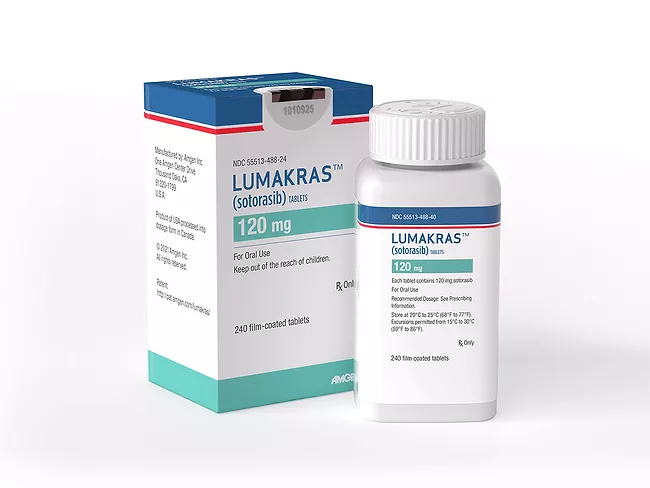
Well ahead of the assigned Aug. 16 PDUFA date, Amgen Inc. bagged accelerated clearance from the FDA for Lumakras (sotorasib), the first targeted therapy for adults with KRAS G12C-mutated locally advanced or metastatic non-small-cell lung cancer (NSCLC), as determined by an FDA-approved test.
The Biden administration released its full budget proposal for fiscal year 2022, increasing the FDA’s budget authority to nearly $3.6 billion, up 10% over 2021. The Alliance for a Stronger FDA said that though analysis is needed to parse out the details, the proposal will be supported.
The FDA has granted breakthrough device designation to Micro Interventional Devices Inc. (MID) for its Mia-T percutaneous tricuspid annuloplasty system. The company will enjoy increased communication with the agency and priority review as it pursues regulatory approval.
Medical devices have had to deal with a large body of uncertainty where patent protection is concerned, thanks principally to jurisprudence arising out of the Supreme Court. However, Mark Mansour, a regulatory attorney with the D.C. office of Dykema Gossett PLLC, said on a recent webinar that even in the absence of a patent, de novo devices can gain some market exclusivity with smart use of labeling, a practice that can help ensure that the developer can achieve the needed return on investment.
Lantheus Holdings Inc. has snagged FDA approval for Pylarify (piflufolastat F 18), a PET imaging agent for the identification of suspected metastasis or recurrence of prostate cancer. The company said the product will be available immediately in the mid-Atlantic and southern regions, with availability across the U.S. by the end of 2021.
In an effort to address the longstanding issues with medical device manufacturers failing to comply with Section 522 postmarket surveillance studies, the FDA is looking to revamp 2016 policies in new draft guidance issued on Wednesday. A separate FDA draft document seeks to update guidance on post-approval study requirements for high-risk devices with new policies on procedures and submissions.
Woebot Labs Inc. got a bit of a pick-me-up with the FDA's decision to grant breakthrough device designation to the company's digital therapeutic for postpartum depression. The WB001 app combines cognitive behavioral therapy with interpersonal psychotherapy and an understanding of how postpartum depression affects interactions and daily life. The investigational treatment is designed as an eight-week, prescription-only intervention for women under a physician’s care.
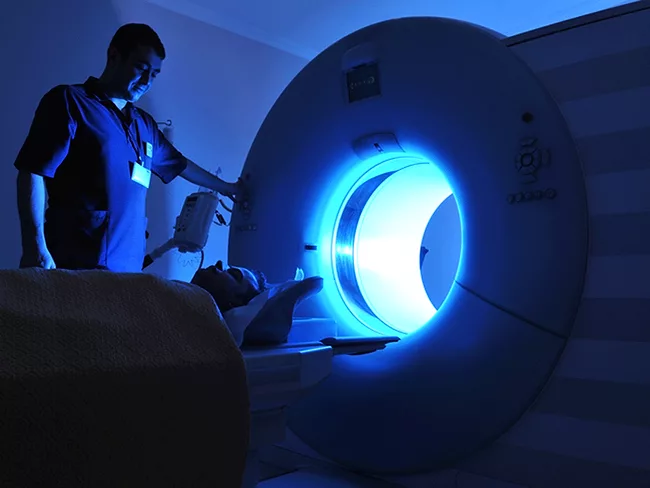
The impact of MRI procedures on medical devices has been the subject of regulatory concern for better than a decade, but the FDA needed until 2019 to craft a guidance that deals with testing and labeling for such considerations. The final guidance offers several tweaks and adjustments to the 2019 draft, but ignores several requests made by industry, including a request that the final not rely on a clinically relevant worst-case scenario when evaluating the potential for device heating.
 RSS
RSS