The FDA’s device center recently updated its guidance for testing and labeling of devices for compatibility with magnetic resonance (MR) fields. Some items, such as orthopedic plates and screws, might not have been evaluated for compatibility up to now. The FDA’s Sunder Rajan said that existing 510(k) and PMA devices are grandfathered in under the legacy policy, but that all implants will have to be evaluated for MRI compatibility going forward, even devices not previously subject to testing.
There is “a wide gap” in the availability of pediatric medical devices that suggest most of these were developed for adolescents, according to a new study on FDA premarket approval applications (PMAs). The findings stem from an evaluation of 297 PMA documents for 149 high-risk devices, 68% of which include pediatric age indications. Pediatric medical devices have lagged behind their adult counterparts in terms of availability, options and innovation. The new findings add to the current relatively limited body of research considering the ample medical device space but are consistent with previous findings that most devices indicated for children are limited to those over 18 years of age.
The follow-up to the U.S. 21st Century Cures Act, dubbed Cures 2.0, encodes several anticipated features such as a Medicare coverage mechanism for breakthrough devices and the Advanced Research Projects Agency for Health (ARPA-H). Less expected was a provision for the use of real-world evidence in evaluation of the safety and effectiveness of drugs and biologics after FDA approval, a provision that could prove useful in post-approval evaluations of products such as Biogen’s Aduhelm.
The FDA and industry are deep into the negotiations over the next device user fee, with the usual array of concerns such as premarket program performance and the volume of user fees. Jeff Shuren, director of the FDA’s Center for Devices and Radiological Health (CDRH), has once again given voice to a perceived need for a significant boost in user fee volumes in an interview with a major trade association, suggesting that device makers can expect a significant uptick in fees for PMAs and 510(k)s in the years ahead.
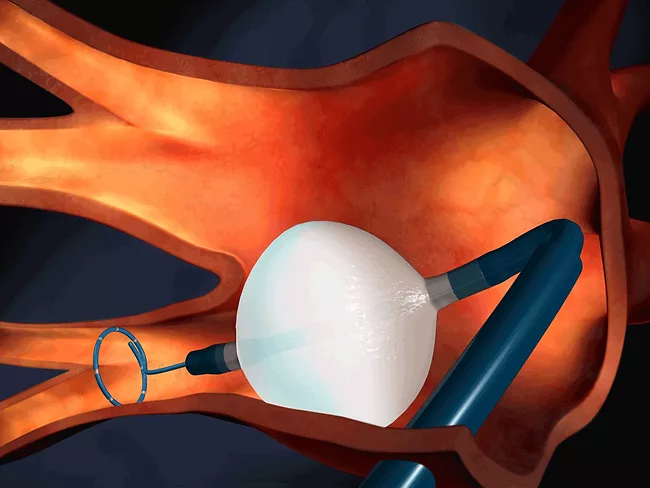
Medtronic plc won expanded FDA 510(k) approval for its Arctic Front family of cardiac cryoablation catheters for alternative treatment of recurrent symptomatic paroxysmal atrial fibrillation (AF) as an alternative to the current standard first-line treatment, antiarrhythmic drug (AAD) therapy. The Arctic Front family of catheters are the first catheter ablation devices in the U.S. approved to help physicians improve AF patient outcomes before drug failure. They have also been proven to shorten the time to diagnosis, according to Dublin-based Medtronic.
A new FDA discussion paper addresses cybersecurity issues specific to the servicing of medical devices, with the goal of guiding the conversation about potential challenges and opportunities. It coincides with a larger agency initiative to provide more clarity on servicing.
It’s not unusual for women to have some uterine contractions during pregnancy. Many of these go unnoticed, but others can be strong and feel like labor. Distinguishing between normal contractions and those that are not can help ensure women at risk of preterm labor get the extra medical care they need. To that end, Tel Aviv-based Nuvo Group Ltd. has launched an FDA-cleared uterine activity (UA) module on its Invu remote monitoring platform.
The FDA responded on Thursday to longtime industry calls for the agency to clarify the distinction between the “serving” and “remanufacturing” of a medical device with new draft guidance to provide consistency and a better understanding of the applicable statutory and regulatory requirements. The 35-page document details its current thinking on the distinction.
With the advent of wearable digital health technologies, patient-generated health data (PGHD) will play an increasingly central role in evidence generation for medical device companies. Speakers on a recent FDA workshop advised that there are several barriers to the use of PGHD for evidence generation, however, such as the perennial headache of data interoperability and a new twist on the question of patient trust, problems that are likely to plague the field for the foreseeable future.
Livanova plc has launched an IDE trial of its Aura6000 sleep apnea device, following approval by the FDA to proceed with the study. The implantable pulse generator (IPG) is designed to treat patients with moderate to severe obstructive sleep apnea (OSA) who do not get relief from a traditional continuous positive airway pressure (CPAP) machine or refuse to use one.
 RSS
RSS