Post-traumatic stress disorder (PTSD) affects about 8 million Americans a year, disrupting lives with nightmares, memory loss, feelings of isolation and other negative effects. Treatment typically involves psychotherapy, but many patients do not find relief. To that end, the FDA has granted breakthrough device designation to Evren Technologies Inc. for its noninvasive Phoenix earbud device for treating PTSD.
Biofourmis Inc. won a breakthrough devices nod from the FDA for its Biovitalshf solution, a digital therapeutic for patients with heart failure with reduced ejection fraction (HFrEF). The company, which is pursuing the de novo pathway for the therapy, plans to launch a pivotal trial next month. Biovitalshf is intended to augment guideline-directed use of heart failure medications to manage patients in combination with traditional pharmacotherapy. The software application integrates physiological monitoring, symptoms and signs reporting, patient engagement, medication management and communications to provide clinicians with personalized and specific recommendations about their medication.
The FDA’s device center has a mantra of sorts when it comes to the details, or lack thereof, in guidance, which is “talk to us early and often.” For device makers eyeing the brain-computer interface (BCI) device space, this mantra has been applied to the question of pivotal study enrollment numbers, suggesting that some sponsors will find their pivotal studies come with a case of sticker shock sufficient to force them to rethink their research and developmental plans.
Medtronic plc got a thumbs up from the FDA for two Accurhythm algorithms to detect atrial fibrillation and asystole in patients who have heart rhythm abnormalities. The new artificial intelligence (AI)-based algorithms are designed for use on the company’s Linq II insertable cardiac monitor (ICM). Dublin-based Medtronic said the Accurhythm AI algorithms will be available on its Carelink Network later this year for use with all implanted Linq II devices in the U.S.
The FDA’s July 27 webinar on medical device servicing and remanufacturing lent some clarity to the terms of a recent draft guidance on the subject, but there are several overarching policy concerns. The FDA’s Joshua Silverstein said on the webinar that the agency sees servicing as a type of manufacturing, a view that is contradicted by the Medical Imaging & Technology Alliance, which indicated earlier this year that third-party servicers are probably not subject to the regulations applied to manufacturers.
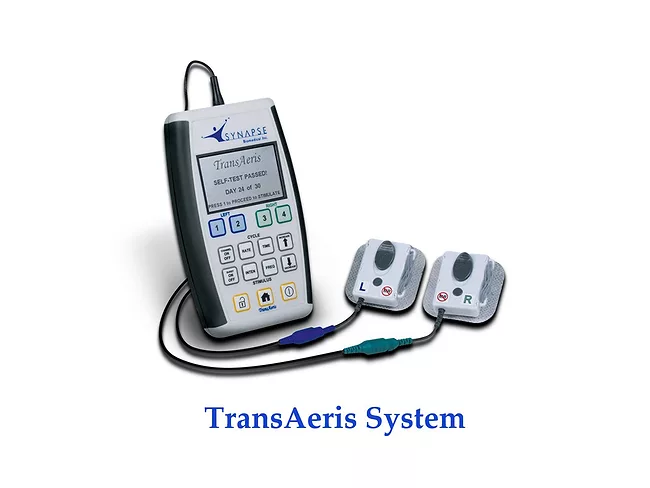
Synapse Biomedical Inc. has won breakthrough device designation from the FDA for its Transaeris system, a diaphragm pacing system (DPS) for use in weaning patients off mechanical ventilation. The minimally invasive device has been in use during the COVID-19 pandemic under an emergency use authorization to prevent ventilator-induced diaphragm dysfunction – a condition that occurs following mechanical ventilation, which leaves the diaphragm weak from disuse.
The FDA is working toward a rewrite of its Quality Systems Regulation (QSR) and ISO 13485, the internationally recognized quality management standard, but that project has yet to produce a draft rule despite several years of effort. The FDA’s Vidya Gopal highlighted the differences between the two approaches to questions such as management responsibility and staff resources, just two of many differences that will prove difficult to reconcile in any regulatory harmonization effort.
The U.S. Federal Trade Commission (FTC) had previously reported it would more tightly scrutinize mergers and acquisitions with an eye toward the impact on competition, and voted July 21 to expand its authority to review these activities. The agency also voted to eliminate restrictions by original equipment manufacturers (OEMs) on servicing of their devices, thus putting both drug and device makers on alert that much more rigorous FTC enforcement has arrived.
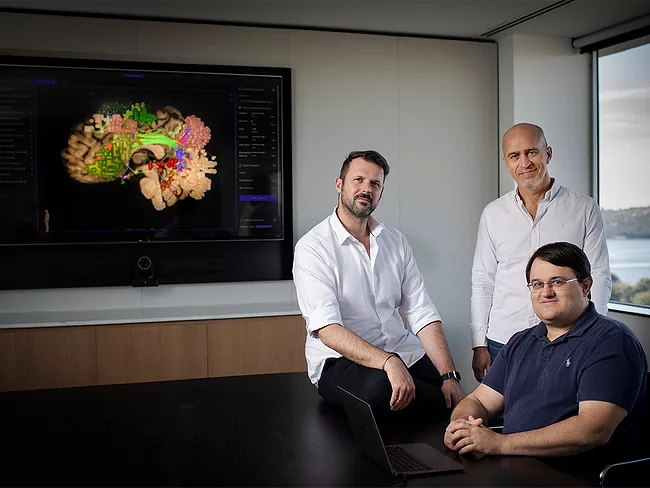
PERTH, Australia – The FDA gave the thumbs up to Omniscient Neurotechnology Ltd.’s Quicktome, the first brain connectomics planning software that provides neurosurgeons with a digital brain mapping platform to visualize and understand a patient's brain networks before performing brain surgery. By visualizing networks that are responsible for complex functions such as language, movement, and cognition, Quicktome assists neurosurgeons in making more informed decisions and reduces surgical uncertainty.
The FDA granted breakthrough device designation to Royal Philips NV for its laser-assisted inferior vena cava (IVC) filter removal device. The Amsterdam-based company designed the device to ablate tissue for removing an IVC filter when previous methods of removal have already failed.
 RSS
RSS