TORONTO – Spino Modulation Inc., a subsidiary of Montreal-based med-tech company Spinologics Inc., has received breakthrough device designation for a vertebral body tethering (VBT) device to treat adolescent idiopathic scoliosis, one of three types of scoliosis that cause the spine to develop an abnormal curve.
The FDA’s draft guidance for the form and content of unique device identifiers (UDIs) may have lacked the controversy of some other policies, but the 2016 draft languished for five years even though only 10 comments appear in the docket. While the agency made some concessions regarding substantial edits of the draft, the final retains a need for data delimiters in the definition of “easily readable” plain text in UDIs, despite industry’s argument that this was not required in the agency’s UDI rulemaking.
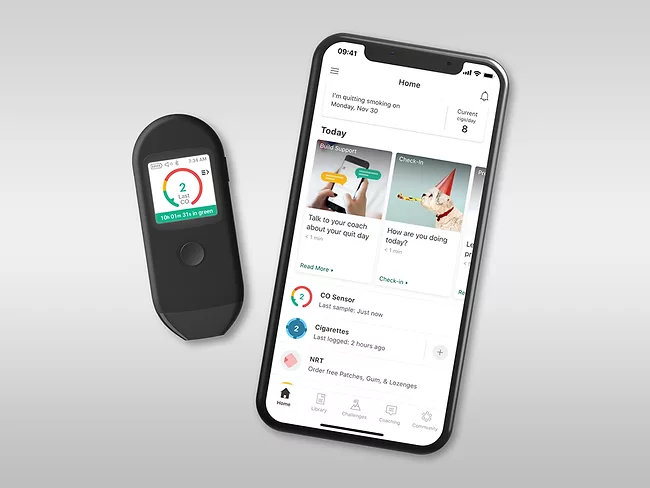
Looking to increase adoption among more tobacco users, Carrot Inc. expanded the indications for use of its smoking cessation breathalyzer with a new FDA 510(k) clearance to include the claims related to a recent study in the labeling and promotion of the sensor. The clinical trial demonstrated the Bluetooth-enabled sensor’s ability to increase a person’s motivation to quit.
The FDA granted breakthrough device designation for the Hyalex Cartilage System, a biomimetic materials platform designed to restore function and repair cartilage defects in the knee. The system, developed by Hyalex Orthopaedics Inc., combines two polymers that improve adhesion on one side and create a low-friction surface that protects the cartilage counterface on the other.
The FDA’s attempts to thwart the use of electrostimulation devices for self-injurious and aggressive behavior came up short in an appeals court hearing of Rotenberg v. FDA, largely because the FDA’s approach suggested the agency would control the practice of medicine.
The FDA has given a green light to Foundation Medicine Inc.’s Foundationone CDx as a companion diagnostic for Takeda Pharmaceutical Co. Ltd.’s Alunbrig to identify patients with anaplastic lymphoma kinase (ALK)-positive metastatic non-small-cell lung cancer (NSCLC). The approval comes as Laboratory Corp. of America Holdings (Labcorp) is launching a companion diagnostic to identify NSCLC patients with the KRAS mutation. NSCLC accounts for about 85% of all lung cancers, with an estimated 1.8 million new cases diagnosed each year worldwide. Of those, 3% to 5% carry the ALK gene mutation, which is often missed with standard testing methods.
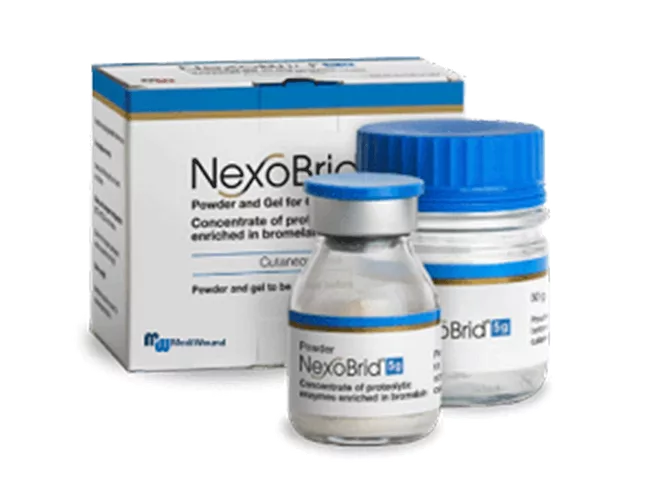
A not-unexpected complete response letter (CRL) for Nexobrid, being developed by Mediwound Ltd., delayed the therapy’s approval and knocked the company’s share values backward. Nexobrid, proteolytic enzymes enriched in bromelain for treating for eschar removal (debridement) in adults with deep partial-thickness and/or full-thickness thermal burns, had a June 29 PDUFA date.
The FDA has posted an update on its surveillance of adverse events for bronchoscopes, noting that the number of medical device reports (MDR) has risen to between 100 and 200 such reports per year in the U.S. However, the agency noted that there are half a million procedures performed with these devices each year in the U.S. alone, and that these data are insufficient to infer a specific incidence of adverse events.
While stakeholders have concerns about the costs of registries for medical devices, they are still generally seen as less expensive and simpler to administer than randomized, controlled clinical trials (RCTs). A new journal article compares the quality of the data from a registry and the data generated by a clinical trial, and despite an interest in ascertaining whether registry data provided similar data quality, the authors concluded that registry data is still more useful as a means of supporting, rather than supplanting, the RCT.
The U.S. Senate and the House of Representatives have reintroduced the Verifying Leading-edge IVCT Development (VALID) Act, a bill that would authorize the FDA to regulate lab-developed tests (LDT). The question of the agency’s statutory authority to regulate LDTs is part of a long-running debate, but the immediate question is whether Congress will see fit to deal with the question this year rather than wait until 2022, when the next device user fee will require legislative authorization.
 RSS
RSS