The U.S. FDA issued a warning letter to Medline Inc. having identified several issues with its Namic brand angiographic control syringes and manifolds used for the intra-arterial or intravenous administration of radiographic contrast media. The agency warned the company that failure to promptly address the violations identified in the letter may result in regulatory action being initiated, including seizure, injunction and civil money penalties.
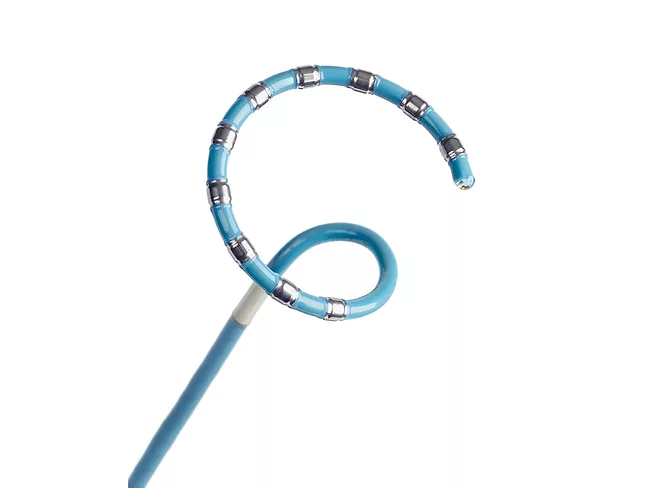
Johnson & Johnson launched its latest pulsed field ablation (PFA) catheter, Varipulse Pro, in Europe following CE mark approval, bringing another option to electrophysiologists looking to adopt PFA technology. The system features a new pulse sequence with a lower temperature profile and enables ablation that is five times faster than the previous sequence, while achieving equivalent lesions. It represents another significant development in the rapidly evolving PFA market that has transformed cardiac ablation treatment.
Seeking to increase their understanding of the opportunities and challenges of using digital health technologies (DHTs) in drug trials, the U.S. FDA’s CBER and CDER are requesting public feedback to help inform new guidance as the technologies continue to advance.
With all the focus of late on the U.S. CDC’s Advisory Committee on Immunization Practices (ACIP), the FDA’s 30-plus advisory committees have been flying under the radar, especially since many of them haven’t met for a few years now.
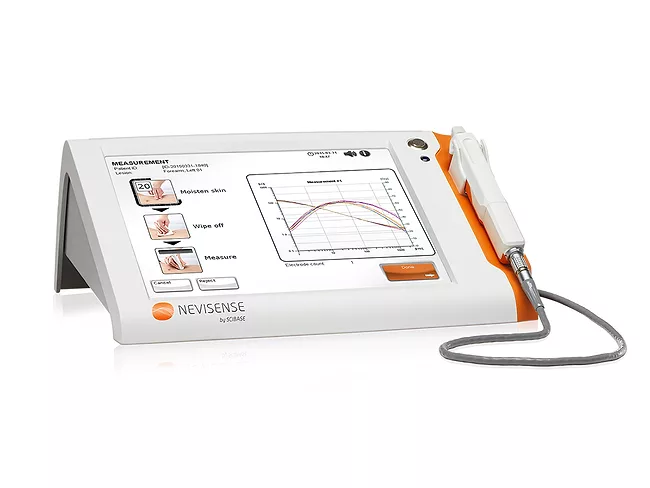
The U.S. FDA has issued a final order to reclassify optical diagnostic devices for melanoma detection and electrical impedance spectrometers from class III to class II, with special controls required.
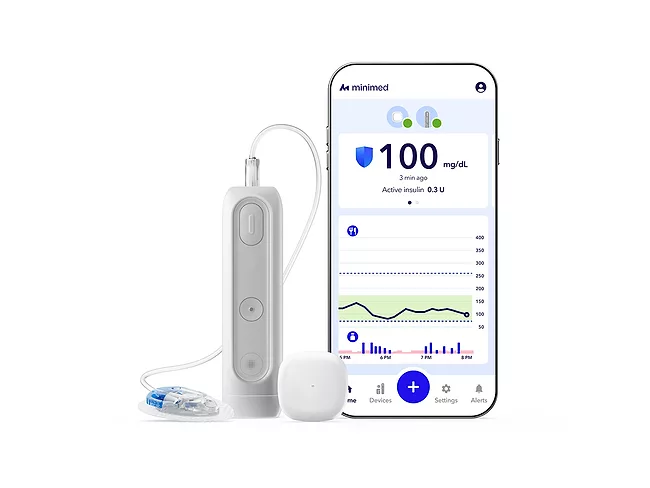
Minimed Group Inc. secured U.S. FDA approval for Minimed Flex, its next-generation discreet, smartphone-controlled insulin pump. The nod from the FDA follows the company’s debut on Nasdaq March 6. About half the size of the Minimed 780G pump and roughly the size of two stacked insulin vials, the screenless pump was designed in collaboration with people living with diabetes to offer a more intuitive, lifestyle‑friendly way to manage the condition.
The U.S. FDA has begun moving its patchwork of adverse event (AE) reporting systems into a single, intuitive AE platform that will cover all its centers.
The U.S. FDA released an early alert March 10 regarding the rupturing or bursting of certain Erbe USA Cryoprobes when they’re activated. Meanwhile, the company is voluntarily recalling the affected Erbe Flexible Cryoprobes, which use extreme cold and cryoadhesion for procedures such as the removal of blood clots, necrotic tissue, and tissue tumors and biopsies.
Patrick Cassells, of Fulshear, Texas, was sentenced March 6 to more than seven years in prison and ordered to pay more than $25 million in restitution and forfeiture after he pleaded guilty nearly two years ago to one count of health care fraud that involved the three durable medical equipment companies he owned and operated.
Perimeter Medical Imaging AI Inc. secured FDA premarket approval for Claire, its AI-powered imaging device which detects difficult-to-see cancer during breast-conserving surgery. Claire combines AI with wide-field optical coherence tomography to provide surgeons with high-resolution, real-time views of excised tumor margins, to reduce the need for re-operations.
 RSS
RSS