Rear Admiral John Polowczyk, vice director of logistics for the Joint Chiefs of Staff, said in a Senate hearing that the one solution to managing pandemic supplies might be to use federal taxpayer dollars to sustain inventories in private-sector warehouses.
The U.S. FDA’s effort to marry its quality systems regulations with ISO 13485 has hardly gone off without a hitch, but Melissa Torres, director of international programs at the FDA’s device center, said the agency is “very hopeful” it can publish a draft rule for that task by the end of this year.
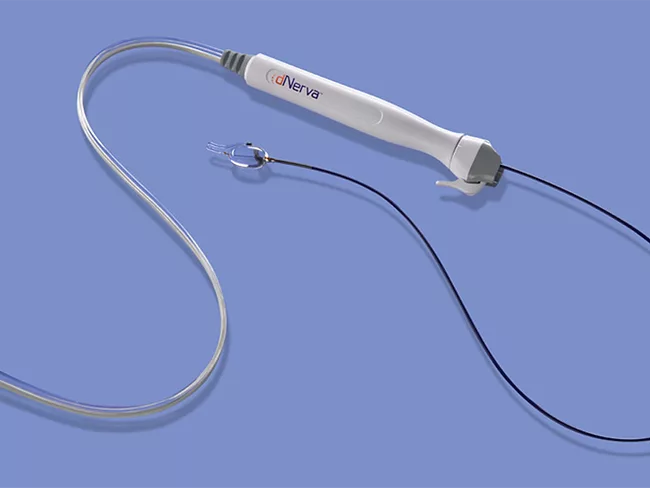
Minneapolis-based startup Nuvaira Inc. has received breakthrough device designation from the U.S. FDA for its Dnerva lung denervation system to reduce the risk of moderate-to-severe exacerbations of chronic obstructive pulmonary disease (COPD) in patients receiving optimal care. The bronchoscopic procedure works by disrupting pulmonary nerve input to the lung, improving symptoms and stabilizing lung function.
Hong Kong – South Korea’s Lunit Inc. is currently in the process of applying for U.S. FDA approval for Lunit Insight Mmg, its AI software that analyzes mammography images to detect breast cancer. Other markets that the company targets entering include South America, the Middle East, and Asia Pacific, Jussarang Lee, communications manager at Lunit, told BioWorld. Founded in 2013, the Seoul-based company uses artificial intelligence to develop cancer diagnostics and therapeutics.
The U.S. FDA’s Accreditation Scheme for Conformity Assessment program (ASCA) seems to promise a much less burdensome approach to device performance testing, but several stakeholders have made the case that as written, the draft guidance for the ASCA pilot does little more than create another layer of review of device testing, thus defeating the point of making more extensive use of testing labs.
Hydrocephalus involves the buildup of excess fluid in the brain. It affects more than 1 million people in the U.S. – most of them children – and can result in brain damage and related neurological impairments. Shunt implants are the standard treatment to drain that fluid, but more than half of them fail within the first couple of years of placement.
The latest U.S. FDA town hall for testing for the COVID-19 included a few updates on serological testing, but perhaps the most important take-away was when Tim Stenzel, director of the Office of In Vitro Diagnostics and Radiology, advised attendees that performance expectations regarding next-generation sequence (NGS) testing for the SARS-CoV-2 virus will closely resemble those of conventional molecular testing.
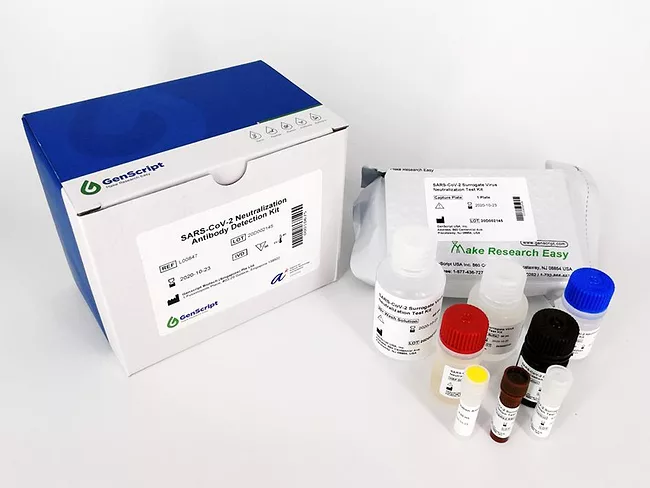
As more COVID-19 antibody testing becomes available, one question has been on everybody’s mind: Does the presence of antibodies to SARS-CoV-2, the virus responsible for the global pandemic, mean that people are protected from future infection? To that end, Genscript Biotech Corp., of Piscataway, N.J., has applied for emergency use authorization (EUA) with the U.S. FDA to market a test that specifically recognizes neutralizing antibodies to SARS-CoV-2.
TORONTO – Toronto-based Epineuron Technologies Inc. reported the completion of a financing round to develop and clinically validate neuroregenerative technology intended for the recovery of patients suffering from peripheral nerve injuries. Designated a breakthrough device by the U.S. FDA, the “nerve bandage” uses brief bioelectronic stimulation of injured nerves to “upregulate” associated genes that accelerate nerve regeneration.
The COVID-19 pandemic has demanded much of the FDA, and commissioner Stephen Hahn said on a June 1 conference call that “there have been hiccups along the way” as the enormity of the threat came into view. The agency’s use of emergency use authorizations (EUAs) has drawn criticism, but Hahn defended those EUAs and other regulatory flexibilities even has he declared that the FDA is not “walking away from” randomized, controlled clinical trials as the gold standard for premarket review.
 RSS
RSS