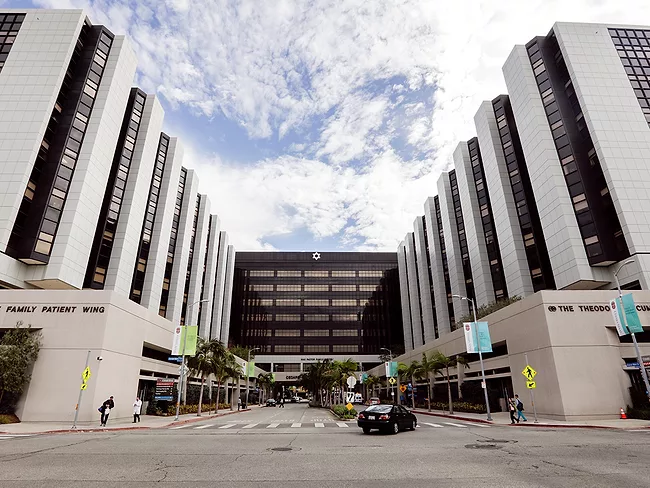
Ultraviolet (UV) light has a long-standing track record in use as an antimicrobial. But the primary limitation to using UV light in relation to the human body is that it can also potentially damage its cells. A group of researchers at the Cedars-Sinai Medical Center in Los Angeles, Calif., known as the Medically Associated Science and Technology (MAST) team, is now researching safe UV technology for use in COVID-19 treatment.
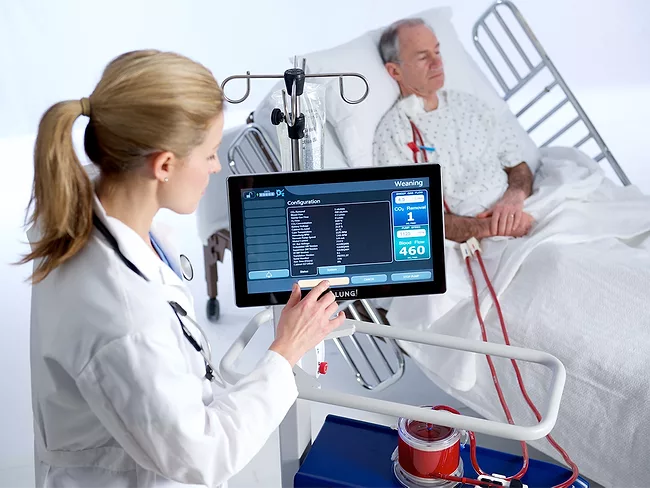
Pittsburgh-based Alung Technologies Inc. has received emergency use authorization from the U.S. FDA for its Hemolung Respiratory Assist System (RAS) to treat lung failure caused by COVID-19. The technology could help to ease demand for ventilators, which have been in short supply in coronavirus hot spots, and provide an alternative for patients who can’t tolerate mechanical ventilation.
Portland, Ore.-based startup Viscardia Inc. has received breakthrough device designation from the FDA for its implantable Visone system to treat moderate to severe heart failure with reduced ejection fraction and preserved ventricular synchrony. The minimally invasive implant works by stimulating a specific portion of the diaphragm.
With a coronavirus task force briefing unfolding at the White House late on April 17, an FDA eager to show its ongoing commitment to tackling other disease amid the pandemic, granted accelerated approval to Incyte Corp.'s Pemazyre (pemigatinib), the first treatment approved for adults with certain types of previously treated, advanced cholangiocarcinoma.
The Trump administration has proposed a policy to gradually reopen the U.S. for business, part of which is to allow a resumption of elective procedures and treatments in outpatient settings. While patients with urgent medical needs presumably are being treated already, the policy would seem to promise a boost in volumes for certain devices, such as coronary artery stents, knee implants and transcatheter aortic valve replacement (TAVR) devices, all of which enjoy at least limited Medicare coverage for outpatient use.
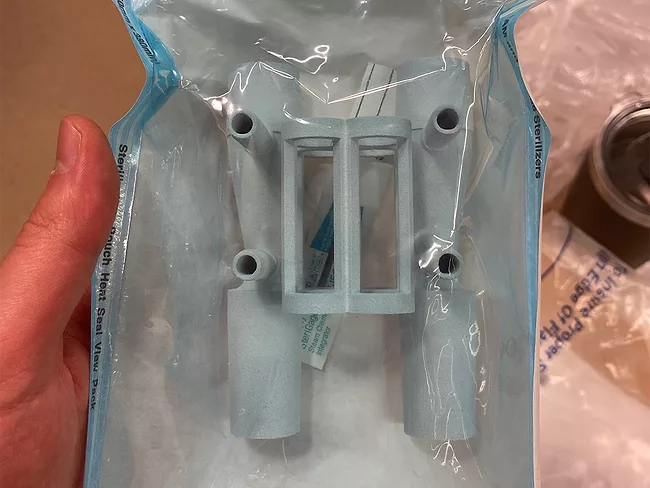
The U.S. FDA has granted emergency use authorization (EUA) to New Haven, Conn., startup Vent Multiplexor LLC for its emergency rescue co-ventilation device. Developed in collaboration with Yale New Haven Hospital, the Vent Multiplexor enables individualized mechanical ventilation of two adults on a single ventilator – lessening demand for more critical care machines in the ongoing COVID-19 outbreak.
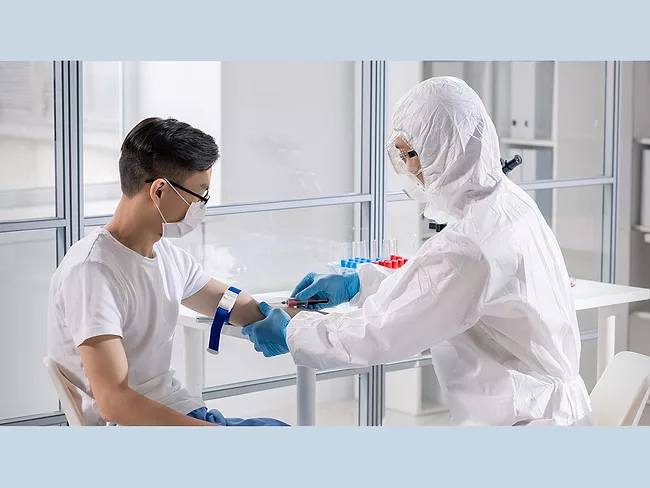
The COVID-19 pandemic has moved rapidly over the past few weeks, and Ortho Clinical Diagnostics Inc. is doing its part to help during the crisis. To that end, the Raritan, N.J.-based company has worked to successfully secure an emergency use authorization (EUA) for its total antibody assay for COVID-19, the Vitros Immunodiagnostic Products Anti-SARS-CoV-2 total reagent pack and calibrators.
HONG KONG – South Korea’s Osang Healthcare Co. Ltd. became the first Korean company to receive the U.S. FDA’s emergency use authorization (EUA) for its COVID-19 test kit. In a letter dated April 18, 2020, the FDA informed Osang of its authorization for the company’s Genefinder COVID-19 Plus Realamp Kit.
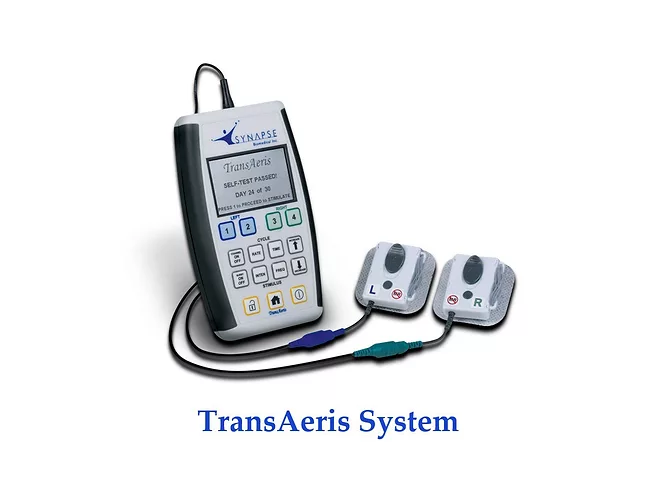
Case Western Reserve University spinout Synapse Biomedical Inc. has received emergency use authorization from the U.S. FDA for its Transaeris diaphragm pacing system (DPS) device to prevent and treat ventilator-induced diaphragm dysfunction (VIDD).
An April 15 U.S. FDA stakeholder call revisited several themes of interest in connection with diagnostics for the COVID-19 pandemic. However, Tim Stenzel, director of the agency’s Office of In Vitro Diagnostics and Radiological Health, said that while the agency has not yet authorized a home sample collection kit, “we do think it’s going to happen very soon.”
 RSS
RSS