DUBLIN—Can high-dose inhaled nitric oxide (NO) make a meaningful contribution to patients with COVID-19 infection? The FDA was sufficiently persuaded by the data presented by Bellerophon Therapeutics Inc. to grant it expanded access approval for its iNOpulse system for pulmonary delivery of NO.
Abbott Laboratories, of Abbott Park, Ill., is the latest company to receive emergency use authorization (EUA) from the U.S. FDA for a test to detect SARS-CoV-2, the novel coronavirus responsible for the COVID-19 pandemic. The company said it is shipping 150,000 Realtime SARS-CoV-2 tests immediately to existing customers in the U.S., with plans to produce 1 million tests a week by the end of the month.
President Donald Trump has issued an executive order enabling the Defense Production Act, which gives the U.S. Department of Health and Human Services broader leeway to conscript industrial production to deal with the COVID-19 outbreak.
PERTH, Australia – Australian digital health company Resapp Health Ltd. was down nearly 52% following news that the U.S. FDA rejected its de novo request for its smartphone application for the diagnosis and management of respiratory disease. The agency rejected the application, citing the need for additional information to demonstrate that the “clinical benefits of the device outweigh the risks,” CEO Tony Keating told analysts during a March 12 conference call on the news.
The U.S. capacity for SARS-CoV-2 testing is limited by several items, including the swabs used to collect patient specimens, but the supply of reagents has been front and center recently. Despite those concerns, several private test makers said they are quickly ramping up production, including Thermo Fisher Scientific Inc., of Waltham, Mass., which said it has enough supplies of all types on hand to provide 2 million reactions per week, a volume that should increase to 5 million per week in April.
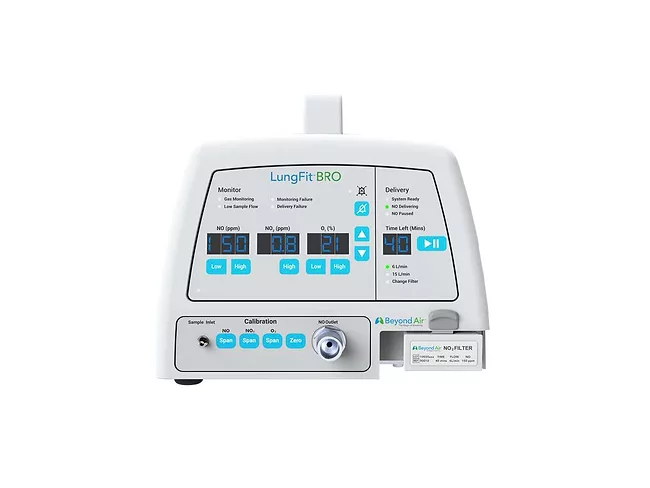
As companies scramble to develop diagnostic tests and vaccines for COVID-19, there is a need for effective treatments for patients suffering severe respiratory effects from the novel coronavirus. To that end, Beyond Air Inc., of Garden City, N.Y., and Rehovot, Israel, has applied to the U.S. FDA to conduct an IDE trial of its inhaled nitric oxide (NO) system, Lungfit Bro, in COVID-19 patients.
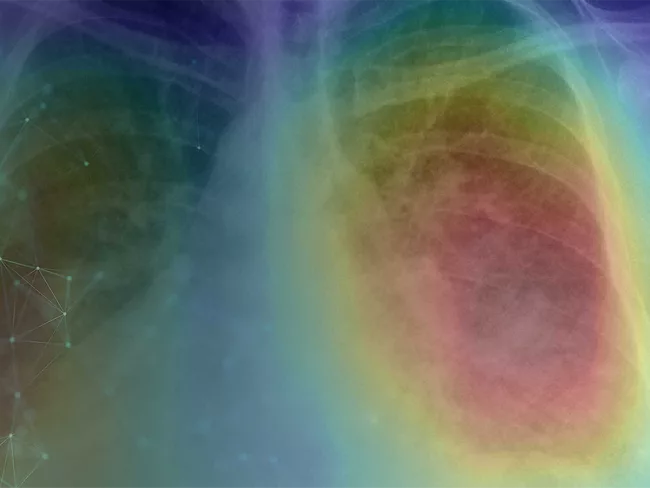
LONDON – Behold.ai Ltd. has secured U.S. FDA 510(k) approval for use of its Red Dot image recognition algorithm in the automatic diagnosis of life-threatening pneumothorax (collapsed lung). The product completes the analysis immediately, sending an alert to the radiologist as soon as an X-ray is taken. “It does in 30 seconds what would normally take up to 30 minutes,” said Simon Rasalingham, CEO of London-based Behold.ai.
Endologix Inc., of Irvine, Calif., has won approval from the U.S. FDA for its Alto abdominal stent graft system, the company’s next-generation Ovation system for polymer endovascular aneurysm repair (EVAR). The company plans to begin rolling out Alto initially to high-volume customers of its Ovation iX system, who are already skilled at using Ovation stent grafts.
The U.S. effort to deploy diagnostics for the novel coronavirus has been plagued by missteps by the CDC and the FDA from the outset, leading to delays and missed opportunities. The Trump administration declared a national emergency March 13, but concerns remain about how quickly the array of available tests can be conducted and whether there are enough testing supplies to handle the anticipated demand.
Mallinckrodt plc is engaging with the U.S. FDA, NIH and the Biomedical Advanced Research and Development Authority to address the potential use of its INOmax (nitric oxide) inhaled gas to treat COVID-19-associated lung complications. INOmax is marketed in the U.S. by the Staines-upon-Thames, U.K.-based company to treat full- and near-term neonates with hypoxic respiratory failure associated with pulmonary hypertension.
 RSS
RSS