Like so many other ventilator providers in recent days, Resmed Inc. has committed to ramping up production. It aims to triple its ventilator output and multiply its ventilation mask production by 10. But the San Diego-based company’s specialty is not mechanical ventilation that requires intubation, which is most commonly used in the intensive care unit (ICU), although it does produce some of those.
The surge of interest in testing for the COVID-19 pathogen has led to some innovative tests and test strategies, including at-home tests. However, the FDA has indicated that it is wary of both at-home testing and specimen collection in other than supervised settings, a policy that is meeting with criticism from some quarters, but not all.
San Jose, Calif.-based Align Technology Inc. has won the FDA’s nod for its Itero Element 5D imaging system. The company said the Itero Element 5D is the first intraoral scanner with near-infrared imaging (NIRI) technology that visualizes the internal structure of the tooth in real time. The FDA cleared the device for the detection of interproximal caries lesions above the gingiva and for monitoring the progress of such lesions.
HONG KONG – As the number of COVID-19 confirmed cases and deaths continue to rise globally, South Korea’s focus on testing has attracted international attention. Two diagnostic kits made by domestic companies Seegene Inc.and Kogene Biotech Co. Ltd. are currently preparing to apply for U.S FDA approval.
The pressure is rising on the Trump administration to activate the Defense Production Act (DPA) for the COVID-19 outbreak as the Senate yet again reconsiders an economic stimulus package. Sens. Brian Schatz (D-Hawaii) and Chris Murphy (D-Conn.) unveiled the Medical Supply Chain Emergency Act in an effort to force the White House to mandate the production of needed supplies, a bill that is likely to languish until Congress can move on economic relief legislation.
It took less than a week from the publication of Science 37’s whitepaper on March 12 encouraging virtual clinical trials to the FDA’s decision to endorse the idea, tailored to address the COVID-19 pandemic.
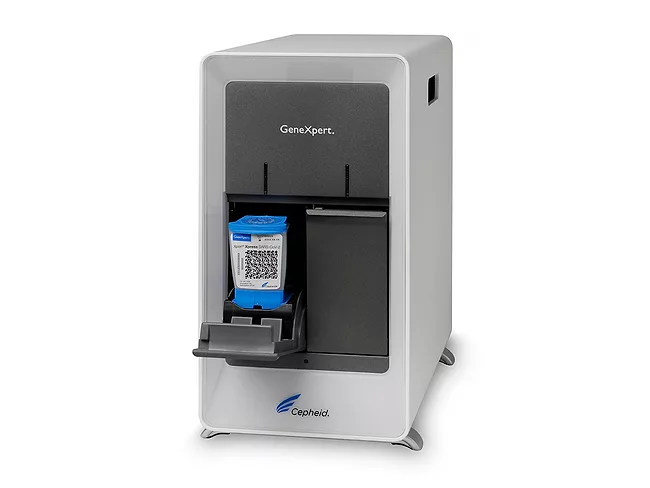
The U.S. FDA has granted an emergency use authorization (EUA) to Cepheid Inc., of Sunnyvale, Calif., for a rapid molecular diagnostic to detect SARS-CoV-2, the virus that causes COVID-19. The Xpert Xpress SARS-CoV-2 test is designed for the qualitative detection of the novel coronavirus and runs on the company’s automated Genexpert systems, with a turnaround time of about 45 minutes.
Zurich-based startup Ava Science Inc. recently issued a public call for partners and funding to further research the potential usefulness of its fertility wearable, known as Ava Bracelet, during the COVID-19 pandemic.
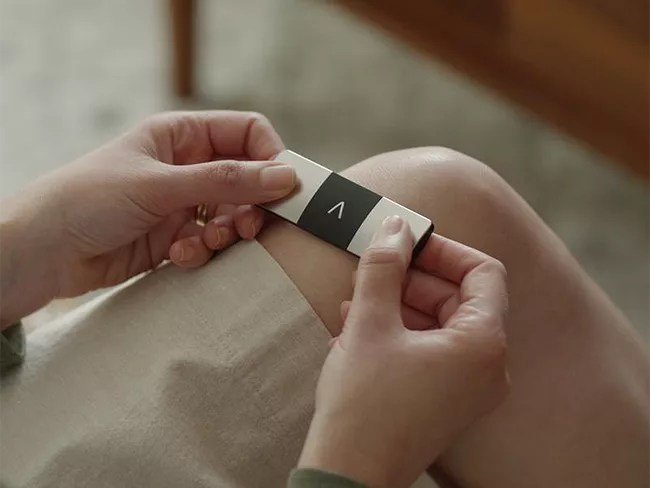
With an eye toward helping those potentially suffering from COVID-19, Mountain View, Calif.-based Alivecor Inc. said its six-lead electrocardiogram (ECG), known as the Kardiamobile 6L, now is allowed for use in the measurement of a patient's QTc and detection of QT prolongation. The Kardiamobile 6L enables patients to take a six-lead ECG outside a doctor’s office.
DUBLIN—Can high-dose inhaled nitric oxide (NO) make a meaningful contribution to patients with COVID-19 infection? The FDA was sufficiently persuaded by the data presented by Bellerophon Therapeutics Inc. to grant it expanded access approval for its iNOpulse system for pulmonary delivery of NO.
 RSS
RSS